


What a handyman does on a plumbing call
When you search for plumbing services silver spring you want a straight answer: a handyman usually handles the small, visible jobs that stop your day from running. In this article we explain which fixes you can expect us to do, which signs mean you should bring in a licensed plumber, and what to have ready before a visit. plumbing services silver spring should put you one clear step closer to booking the right person.
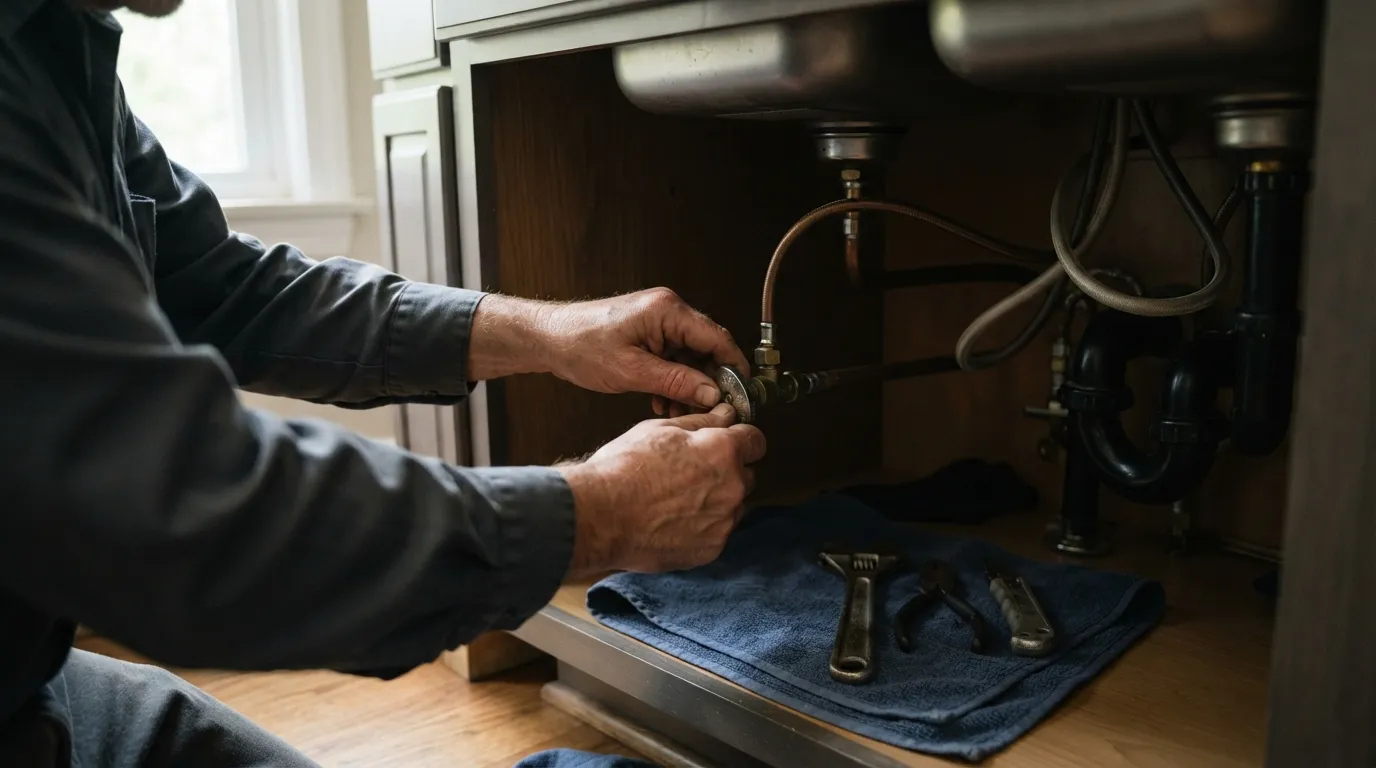
On a typical call a handyman will arrive with basic tools and spare fittings, assess the visible problem, and do the work that does not require altering built-in systems or pulling permits. That includes swapping out leaky faucets, replacing worn cartridges or washers, tightening supply lines, repairing simple leaks that are accessible without opening walls, and changing out minor fixture hardware. The aim is to stop the leak, restore normal use, and leave the fixture working and tidy.
There are two practical tests you can make before you call. First, does the work stay on the surface and in the fixture itself, or will it require cutting into a wall, removing tile, or rerouting piping? Second, does the job involve gas connections, water heater replacements, or major rerouting of supply or waste lines? If the repair stays on the fixture and its immediate connections, a handyman is the right first call; if it moves into the walls or the building’s supply infrastructure, plan to involve a licensed plumber.
We use plain language with customers because knowing the limits up front saves time. When you open a tap, watch where the water actually comes from and whether the leak is at a visible joint, at the base of the fixture, or behind a wall. Those details tell you whether the fix is likely to be a surface repair or a larger intervention that needs different permits and different trade skills.
Common household plumbing fixes and timing
A homeowner’s most common calls are for faucets, toilets, slow or clogged drains, and small leaks. Each job has a clear sequence: diagnosis, isolation of water, replacement or repair of the failed part, test and tidy. The difference between a quick visit and a longer job is nearly always access and whether anything hidden turns up once work begins.
Faucets. A faucet that drips is often caused by a worn seal, O ring, or cartridge. Diagnosis usually takes only a few minutes once the water is off at the fixture. The work is replacing the failed part, reassembling the faucet, and testing for leaks. If cartridges or replacement parts are on hand the swap is straightforward; if the faucet is old or uses a discontinued cartridge, the job can take longer because matching parts or a retrofit may be needed.
Toilets. Common toilet repairs include a running tank, weak flush, or a leaking connection. These fixes are usually done at the tank and supply line without touching the toilet footprint or the waste flange, so they can be quick. Replacing the fill valve or flapper, tightening loose bolts, or replacing a worn supply hose are typical steps. A full toilet replacement or dealing with a failing flange that leaks into the floor requires more time and sometimes a different trade or permit.
Drains. A slow sink or bathtub drain is most often a blockage in the trap or the immediate trap arm. A technician will remove the trap, clear hair or debris, and test the drain. If the clog is further down, a hand auger or a powered snake is used, which takes longer and may require removing an access panel. If roots or solid obstructions are present in the building drain, the job goes beyond a simple service call.
Small leaks. Visible leaks at accessible shutoffs, supply hoses, and compression fittings are typically repairable without opening walls. The work involves isolating the water, replacing the failed fitting, and checking for corrosion or damage that would cause a repeat leak. If the leaking area shows water damage inside a wall, or if the leak originates from a point you cannot reach without demolition, expect the technician to pause and recommend a licensed plumber.
What drives the time taken. The single biggest factor that extends a job is access. Tight cabinets, built-in vanities, built-in appliance panels, and finished tile floors add minutes or hours because panels or fixtures must be removed carefully. Hidden corrosion, seized valves, and discontinued parts also add time because we either source a replacement or adapt a modern part to fit.
Before you plan your day, think about where you can give the technician space to work and whether pets or children will be underfoot. A prepared work area speeds the job and reduces surprises.

What to look for in a clear written quote
A written quote should tell you what will be done, why it is needed, and what is not included. If you are comparing bids, read them line by line and prefer clarity over jargon. A fair estimate separates parts and labor, lists the major parts expected to be used, and notes whether additional work will trigger a change order.
Key line items to expect are a description of the fault, the recommended repair or replacement, a list of major parts or assemblies to be installed, and the labor that covers the work. The quote should also say whether access, hidden damage, or discontinued parts could change the price, and it should explain how you will be told and asked to approve any such change. That way you are not surprised when something unseen appears once a wall or cabinet is opened.
Ask for timing on the quote. A useful estimate tells you how long the technician expects to be on site and whether the job is a single visit or will need follow up work. Where parts must be ordered, the quote should list expected lead time and whether interim work will be done to make the fixture usable in the meantime.
Be wary of one-line offers that simply say “repair faucet” without detail. Those leave you guessing about parts, quality of replacement components, and whether the quoted price includes cleanup and testing. A good written quote is specific enough that you can compare it directly with others and see which one gives you more work for the same scope.
How to prepare your home before a visit
A little preparation saves everyone time. Clear the area around the fixture, remove items from under sinks, and make room so a technician can kneel, set down tools, and open a service case. If you can, remove fragile items from nearby surfaces and put them aside.
Turn off power where work will be close to electrical outlets or under-sink disposal units. If the work affects water to the whole house, find the main shutoff and make sure everyone in the household knows where it is. If you do not know where a shutoff is, tell the technician on arrival so they can find and isolate the supply without confusion.
Take photographs of the fixture and its surrounding access before the technician arrives. A few images taken from different angles are fast to send and can help the person on the phone advise whether the problem looks like a surface repair or something behind the wall. Keep the photos handy when you meet the technician.
Make a short list of what you want fixed and any constraints on the work. For example, tell the technician if a vanity is built-in and cannot be moved easily, or if tile matching matters because you plan further remodel work. Mention pets, stairs, or narrow hallways that could affect access or the technician’s ability to bring in larger tools.
Bring any spare parts you have, such as a recently purchased faucet cartridge, packing, or a replacement hose. If you have the original fixture manual or part number, bring that too; it can speed matching parts and reduce the need for return visits.
Finally, decide where you want the technician to park and where you will meet them. A clear meeting plan avoids delays when the technician arrives.
- Clear the workspace and remove items from under sinks
- Photograph the fixture from several angles before the visit
- Turn off or locate shutoffs and switch off nearby power if required
- Note access restrictions and where the technician should park
When to call a licensed plumber
Some jobs legitimately need a licensed plumber because they involve hidden systems, gas, or work that requires a permit. Examples include replacing a water heater, rerouting supply or waste lines through walls, making connections that alter building water distribution, or any work that will remain concealed behind finished surfaces. When you see water damage inside walls, widespread staining, or wet drywall, that is a clear sign to call a licensed professional.
Another time to pick a licensed plumber is when a job may require an inspection or a permit. Moving or adding a bathroom fixture in a way that changes waste lines is the kind of work that often triggers a formal inspection, and a licensed plumber can advise on the local rules and the paperwork needed. If you suspect the issue is extensive, arrange an initial diagnosis and then get a permit-aware professional to carry out any follow up work.
For urgent failures that threaten property, like a burst pipe that leaks into living areas, follow your own safety sense and call for immediate help. Some local companies advertise round the clock availability; whether you need a 24 hour response depends on whether water is actively causing damage or hazard. For non-urgent leaks that drip slowly, a scheduled visit from a technician during normal hours is often the right choice.
When you speak to a service provider, ask whether the work will be visible when finished or whether it will be hidden. That one question helps set expectations about who should do the job and whether permits or inspections are likely.
Where to check local ratings and reputation
Local ratings sites and independent review organizations are useful starting points, but read the detail behind scores. An independent nonprofit that surveys customers and reports on value without taking advertising fees provides a different kind of data than a company’s own review feed. Look at both the score and the written reviews to see how a provider handles follow up, returns, and unexpected work.
Pay attention to recent reviews that describe the same work you need. A provider with many excellent reviews for drain clearing but few for fixture swaps is not the same fit as one that lists faucet replacements in multiple write ups. Also watch for how a company responds to criticism; a straightforward reply that explains what happened and how the issue was fixed indicates a company that manages problems rather than ignoring them.
Local pages, neighborhood forums, and the business’s own service area pages show where a provider works regularly. That matters because technicians familiar with local building styles and common older home problems will spot issues faster. When you are comparing options, gather two or three quotes and use the reviews to understand which one will communicate clearly when surprises appear.
Permits, timelines, and Montgomery County basics
Permits are usually needed when work changes how a home’s plumbing is routed or when work will be hidden behind finished surfaces. Small surface repairs and straightforward fixture swaps that use the same supply and waste locations are less likely to require a permit. If you plan to move a sink, add a bathroom, or make changes to waste stacks, expect permit rules to apply.
In Montgomery County, permitting timelines vary with the scope. Simple permits and inspections are usually quicker than complex remodel approvals, but the process includes an application, review, and any required inspections. If your job might affect shared building systems or requires structural changes, add time for formal review. When planning a remodel, discuss permit needs early so scheduling reflects any municipal steps.
A practical way to proceed is to ask whether the proposed work will be visible on completion. If it will be visible, a permit is less likely; if it will be concealed, prepare for a permit conversation. Also ask whether the installer will work with your chosen inspector or whether you need to coordinate inspections yourself. That prevents last-minute delays when the county needs to sign off on hidden work.
When you get a written quote for remodel work, it should list permit planning and inspection time as part of the timeline, or note that permit pulls are excluded and must be handled separately. That transparency helps you compare bids on equal terms and avoid surprises when the county requires changes.
How to get a fast, clear quote from a local handyman
Start with good photos and a short description. Images of the fixture, the access behind or under it, and any visible damage let a technician advise whether the job is likely to be a surface repair or a larger intervention. A clear description helps too: say where the leak is, whether it is constant or intermittent, and whether you have turned off the water to stop active leaking.
When you contact a provider, ask for a written estimate that lists work, major parts, and expected time on site. If the technician thinks a follow up visit may be needed to confirm once hidden work is opened, ask for that contingency to be explained. A trustworthy approach is to set expectations about how changes are communicated and authorized so you are not surprised by a revised price.
You should expect a few booking options: a next available slot for a non-urgent fix, an expedited visit for time-sensitive leaks, and a scheduled repair that includes ordered parts. Tell the scheduler about access constraints and whether you will be on site, so the visit is planned without delay.
Before you book, check local review pages and read recent customer comments about punctuality, cleanup, and follow up. Ask the provider how they handle parts that do not fit and what you should expect if the work uncovers further problems. When those subjects are clear, you can pick the offer that matches both price and the way you want the job handled.
When you are ready, ask for a written quote and schedule a visit. If you want more guidance on what questions to ask before hiring, read our notes on what to ask an independent handyman and how to judge Silver Spring handyman reviews for hiring with confidence.
Frequently asked questions
How long will a faucet repair or swap usually take once a pro arrives?
A simple faucet repair or swap is usually handled in a single visit if parts are on hand; the work is diagnosis, shutoff, part replacement, and testing. Access and discontinued parts are the things that most often extend the visit.
Do I need a permit to move a sink in Montgomery County?
Moving a sink so it changes the routing of waste or supply pipes commonly triggers a permit and inspection in Montgomery County. Ask your installer early whether the proposed move will be visible on completion or will be hidden, because hidden work is more likely to need formal approval.
How do I tell whether an advertised 24/7 service is right for my leak?
Check whether water is actively causing damage or creating a hazard before calling an around the clock service for a non-urgent drip. For slow leaks that do not threaten property, a scheduled daytime visit is usually the practical choice.
What should a clear written plumbing quote include?
A clear quote names the fault, lists the suggested repair, shows major parts and the labor involved, and explains what might change the price if hidden damage appears. It should also estimate how long the technician will be on site and note any expected lead time for ordered parts.
Where should I look to check a local provider’s reputation?
Use both independent rating sites that survey customers and local review pages to see recent jobs like yours, and read written reviews for detail on how providers handle follow up and unexpected problems. Look for reviews that describe similar work to yours rather than relying on score alone.
