
Painting is the trade where quotes vary most wildly for what looks like identical work. I’ve seen two estimates for the same four rooms differ by several thousand dollars, and both were honest.
The difference is never the paint. It’s the scope — and scope is the thing quotes are vaguest about.
So here’s what a professional interior painting job in Bethesda, MD actually includes, so you can compare quotes on the same terms instead of on price alone.
Here’s what interior painting in Bethesda should include, so you can compare quotes on the same terms instead of on price alone.
What’s actually in the scope
Protection and setup
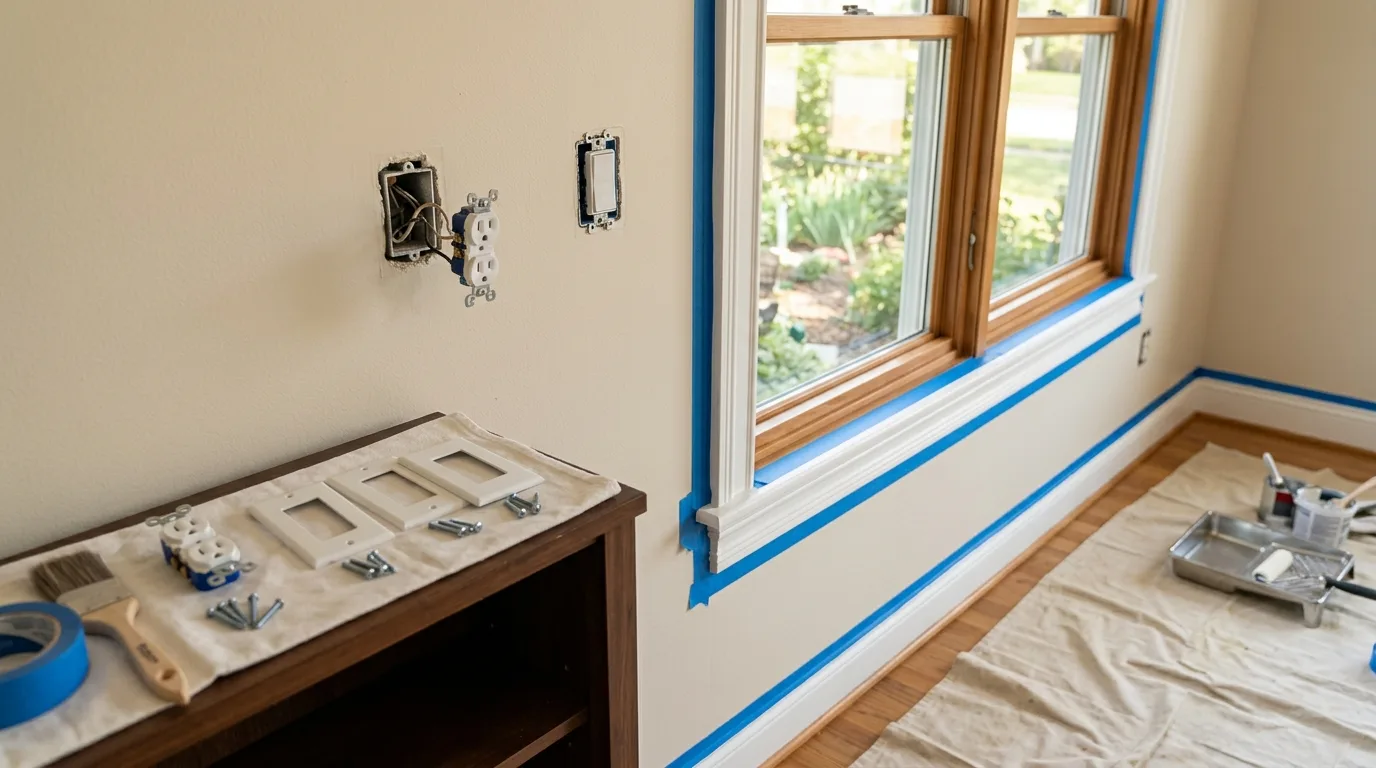
Furniture moved to the centre and covered. Floors protected — properly, wall to wall, not a drop cloth thrown near the skirting. Fixtures, switch plates and outlet covers removed rather than cut around. Hardware off the doors, or masked precisely.
This is the first thing a cheap quote trims, and it’s what determines whether you spend the following weekend cleaning paint specks off a floor.
Surface preparation
The largest genuine variable, and the biggest driver of what a job costs:
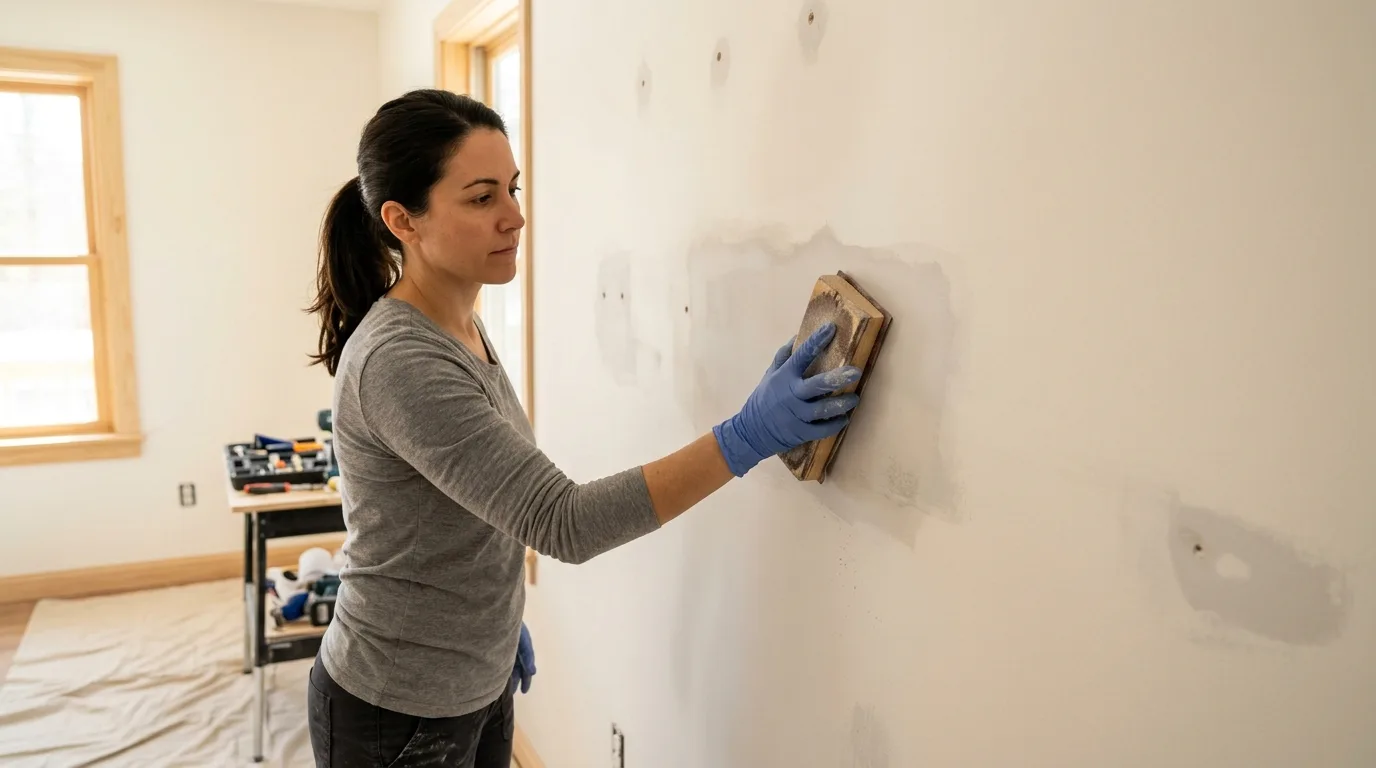
- Filling nail holes, dings and anchor holes
- Repairing cracks properly — taped where they need it, not just filled
- Sanding filled areas flat, and sanding glossy surfaces so the new coat can grip
- Caulking gaps at trim, and at wall-to-trim junctions
- Washing where needed — kitchens and bathrooms especially, because paint doesn’t adhere to grease
- Spot-priming repairs and any bare or stained areas
A wall with fifteen years of picture hooks and a couple of settlement cracks needs real hours before any paint. A quote that doesn’t reflect that is a quote to paint over the problem, and the repairs will show through the finish within months.
Priming
Not always the whole wall, but always where it’s needed: bare filler, water stains, bare wood, or a dramatic colour change. Painting a light colour over a dark one without primer means three or four coats instead of two — and someone is paying for that, either you or the painter’s margin.
The paint itself
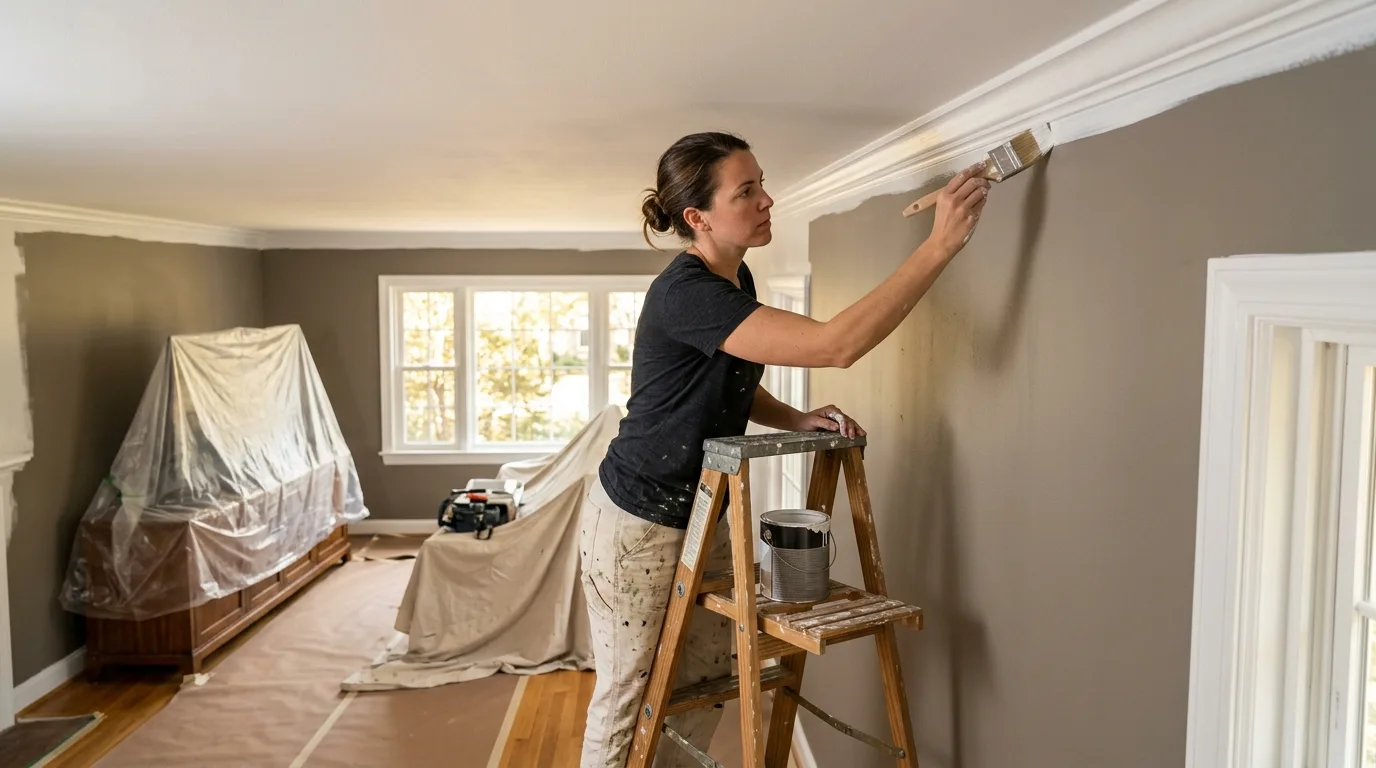
Two proper coats. “One coat and touch-ups” is not two coats, and it looks like what it is under raking light.
Sheen should be deliberate per room: flat or matte hides wall imperfections but doesn’t clean well; eggshell or satin is the general-purpose answer; semi-gloss for trim, doors and bathrooms. In a house with older, uneven plaster walls, a flatter sheen is genuinely more forgiving.
Cleanup and the walkthrough
Plates back on, hardware refitted, furniture returned, floors clean. Then walking the rooms with you, in daylight, and fixing what you point at. The walkthrough is the step that separates a finished job from an abandoned one.
The questions that make quotes comparable
Ask every painter the same five and the differences resolve immediately:
- How many coats?
- What preparation is included, specifically? Filling and caulking as standard, or extra?
- Are ceilings, trim and doors included, or walls only? This alone explains a huge share of quote variation.
- Are outlet and switch plates being removed, or cut around?
- What happens if repairs turn up during prep?
Ceilings are the big hidden one. A quote for “painting the room” that means walls only is a genuinely different job from one including ceilings and trim — often close to double the labour — and both can be described with the same sentence.
What Bethesda houses specifically need
Much of Bethesda’s housing stock is post-war through the 1970s, which brings a few particulars.
You may have plaster, not drywall. Plaster walls take paint well but show every repair, and they’re often subtly uneven. Prep matters more; a flatter sheen is kinder. Also — plaster patches that weren’t primed will flash through the topcoat as visibly different sheen.
Older trim is usually oil-based. Painting modern water-based paint straight onto old oil-based trim without proper sanding and priming gives you a finish that peels off in sheets later, sometimes years later. This is one of the most common causes of a paint job failing in these houses, and it’s entirely avoidable.
Pre-1978 houses may have lead paint underneath. If your house predates 1978 and layers are being disturbed by sanding or scraping, this is a real regulatory and safety matter, not a footnote. Ask any contractor how they handle it. A shrug is disqualifying.
Humidity affects drying. Maryland summers slow recoat times considerably. Rushing a second coat onto a first that isn’t ready gives you a soft, easily marked finish. Air conditioning genuinely helps, and a painter working in August should be adjusting their schedule for it.
Where DIY painting goes wrong
Painting is among the most DIY-able jobs in a house, and I’ll say that plainly. If you’re painting a bedroom, do it yourself. The mistakes are consistent and avoidable:
- Skimping on prep — the finish is only as good as the surface beneath it. Prep is most of the job and it’s the boring part.
- Cheap tape, or leaving it on too long — take it off while the paint is still slightly soft, not days later with the paint film bridged over it.
- Overloading the roller — heavy coats sag and dry unevenly. Thin coats, more of them.
- Not boxing the paint — mixing all your cans together in one container avoids a visible shade change halfway up a wall.
- Stopping mid-wall — always finish to a corner or a natural break, or the lap mark shows.
Where I’d call someone in: high ceilings and stairwells (a fall is a bad way to save money), extensive repair work, old oil-based trim, anything involving pre-1978 layers being disturbed, and whole-house jobs where the sheer volume defeats most people around day four.
Getting a quote worth comparing
A useful painting estimate is specific: which rooms, which surfaces within those rooms, how many coats, what prep, and what happens if something turns up. If a quote is one line and one number, ask for the detail before you compare it to anything.
Our painting services cover interior work across Bethesda and the rest of Montgomery County, and estimates are free with no obligation. The Bethesda page has the rest of what we handle locally.
And if it’s one bedroom on a Saturday, do it yourself. Spend the money you save on better paint and a decent brush — both make more difference than most people expect.
Interior Painting in Bethesda: The Short Version
Two interior painting quotes in Bethesda can differ by thousands for the same rooms, and the difference is scope rather than paint. Ask how many coats, exactly what preparation is included, and whether ceilings and trim are in the price. Old oil-based trim needs proper priming or the finish will peel.
Frequently Asked Questions
Q: Why do painting quotes vary so much?
A: Scope, not paint. Interior painting in Bethesda is priced on labour and preparation. The big variables are how many coats, how much surface preparation is included, and whether ceilings, trim and doors are in the price or only the walls. Ask all three and quotes become comparable.
Q: What should a professional painting job include?
A: Professional interior painting in Bethesda means furniture moved and covered, floors properly protected, switch plates removed rather than cut around, filling and caulking, sanding, spot priming, two full coats, and a daylight walkthrough with you at the end.
Q: Why is old trim a problem when repainting?
A: Interior painting in Bethesda runs into oil-based trim constantly. Painting modern water-based paint over it without proper sanding and priming produces a finish that peels off in sheets later. It’s avoidable and it’s a common cause of failed paint jobs.
Q: Does lead paint affect my project?
A: If your house predates 1978 and layers will be disturbed by sanding or scraping, it’s a genuine safety and regulatory matter. Ask any contractor how they handle it before work starts.
