

A homeowner wants the work to look right. A property manager wants the work to look right, be documented, not disturb tenants, and be invoiced against the correct property.
That’s the real difference. Commercial handyman services are judged on reliability and administration at least as much as on craft, and a contractor who’s only ever worked in houses tends to find that out the hard way.
What actually changes with commercial handyman services
Access and timing
Residential work happens during the day because that’s when people are awake. Commercial work happens when it won’t disrupt the business — early mornings, evenings, weekends, or in the quiet window between tenants.
A retail unit doesn’t want drilling at noon on a Saturday. An office wants the noisy work done before nine. This gets agreed before the job, not negotiated on the day.
Insurance and documentation
Most commercial properties require a certificate of insurance naming the management company or building owner as additional insured, and they want it before anyone arrives. It’s routine, and a contractor who hasn’t come across it will slow you down.
Some buildings also require lien waivers, W-9s on file, and specific invoicing formats. None of it is difficult. All of it stalls a job if it starts on the day work is meant to begin.
Reporting
A homeowner sees the work. A property manager often doesn’t — they’re managing a portfolio and weren’t there. So photographs before and after, a written note of what was done, and a clear invoice tied to a specific unit are part of the deliverable rather than a nicety.
This is the single most common complaint I hear about previous contractors: the work was fine, but nobody could tell what had been done or which property to bill.
The work itself
Commercial handyman services cover broadly the same trades as residential, with a different emphasis. Higher volume of small items, more make-good between tenancies, more attention to anything a member of the public might touch or trip over.
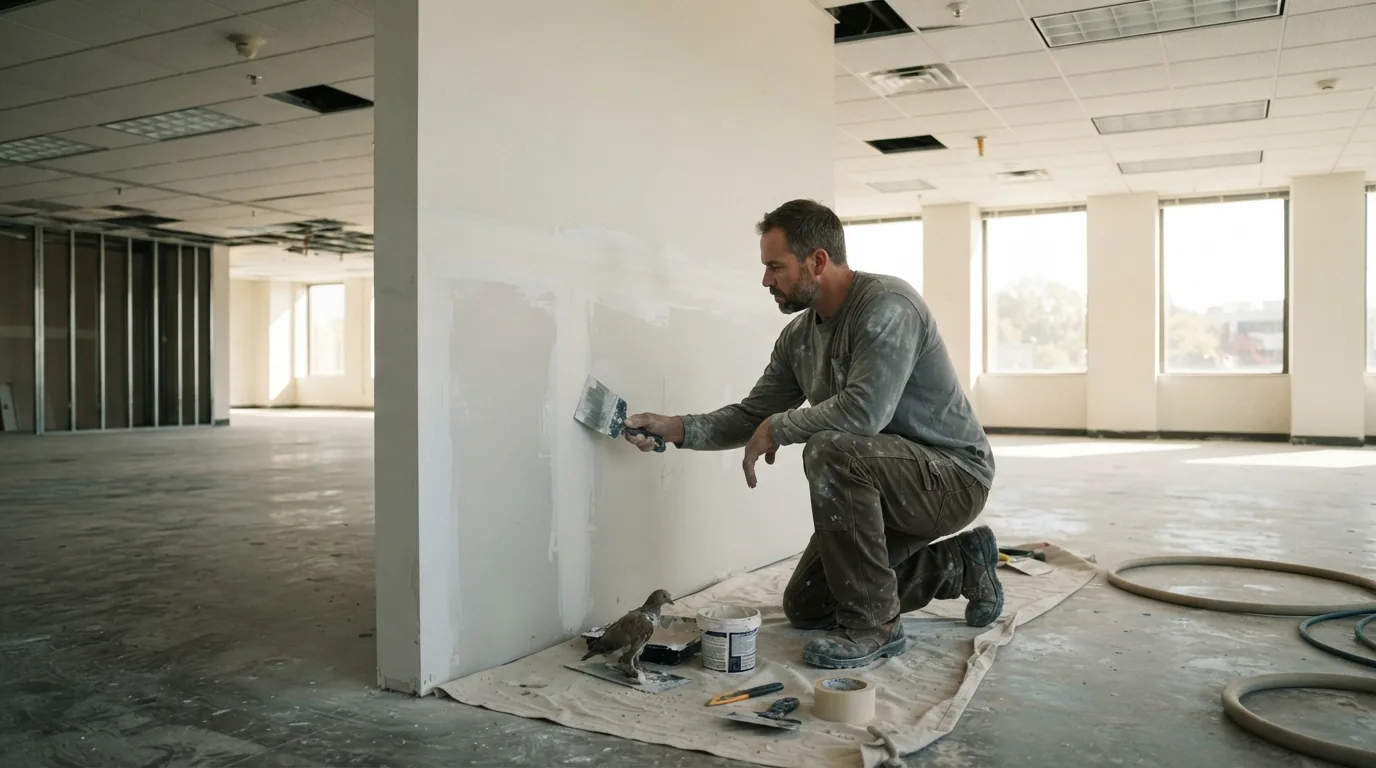
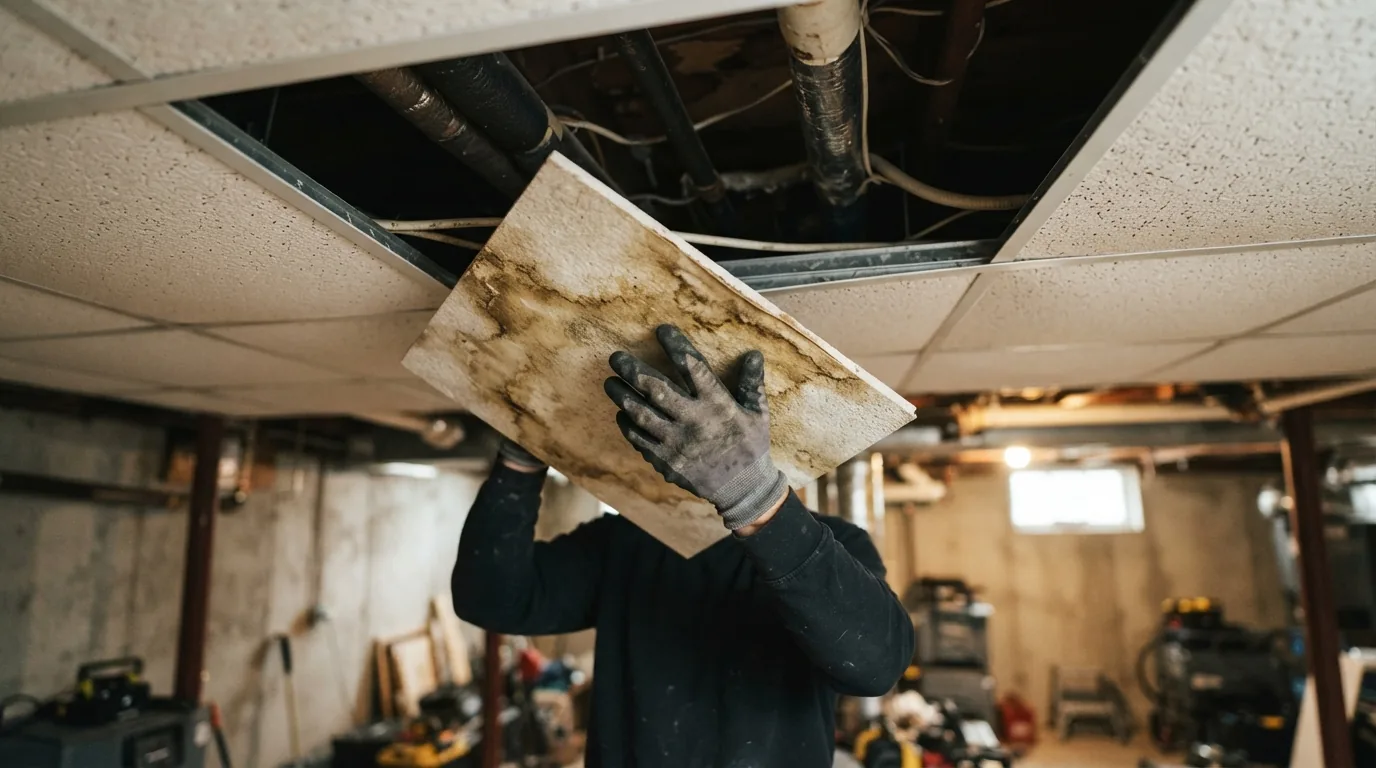
Typical requests: drywall and paint between tenants, door and lock adjustments, ceiling tile replacement, fixture and lighting swaps, shelving and fittings, minor plumbing, and the general punch list that accumulates in any occupied building.
Specialist systems — fire suppression, elevators, sprinklers and major mechanical — sit with the trades holding those specific licenses, and a good contractor establishes where that line falls early rather than mid-job.
Turnover work, which is where speed matters
Between tenancies the constraint is vacancy. Every day the unit is empty costs money, so the work is judged on how fast it’s done as much as how well.
What makes that go smoothly is a walk-through and an itemized list before the previous tenant is even out, so materials are ordered and the schedule is set for the day access begins. Turning up on day one to start assessing wastes the most valuable days.
Safety and public liability
In an occupied commercial building, other people are moving around the work. That means proper barriers, signage, cable management, and clearing up as you go rather than at the end of the day.
It’s also worth knowing that commercial buildings have their own obligations around workplace safety, and contractors are expected to work in a way that doesn’t compromise them. OSHA’s guidance for workers is the baseline reference, and any contractor working in your building should be operating to it without being asked.

Questions worth asking before you appoint anyone
- Can you provide a certificate of insurance naming us as additional insured?
- What’s your response time for non-urgent items, and for urgent ones?
- Will it be the same people each visit?
- How do you document completed work?
- Can you invoice per property or per unit?
- Are you licensed and insured for the work you’re quoting?
The short version on commercial handyman services
Commercial handyman services differ from residential work less in the trades involved than in everything around them: scheduling around a working business, insurance certificates and paperwork in place before day one, documented completion with photographs, and invoicing that maps to properties or units. Turnover work is judged on speed because vacancy costs money, and the way to move fast is to assess before access rather than after.
If you manage property in the area and want a contractor who understands the administrative side as well as the work, that’s the range of what we handle, and we cover Silver Spring and the surrounding area. Happy to talk through requirements before anything is quoted.
Frequently asked questions
Q: Why does a commercial job need an insurance certificate?
A: Most building owners require one naming them as additional insured before a contractor is allowed on site. It’s routine, but it takes time to issue, so raise it early rather than on the day.
Q: When should commercial work be scheduled?
A: Around the business rather than the trade. Offices generally want noisy work before the day starts; retail wants it before opening. Agree it at quoting stage so it’s priced properly.
Q: How should work across several properties be invoiced?
A: Per property or per unit, matching how you account for it. Agreeing the format up front saves the awkward conversation about which building a line item belongs to.
Q: What should a commercial contractor document?
A: Photographs before and after, a written note of what was done, and an invoice tied to a specific unit. A manager who wasn’t on site has no other way to know what happened.
