

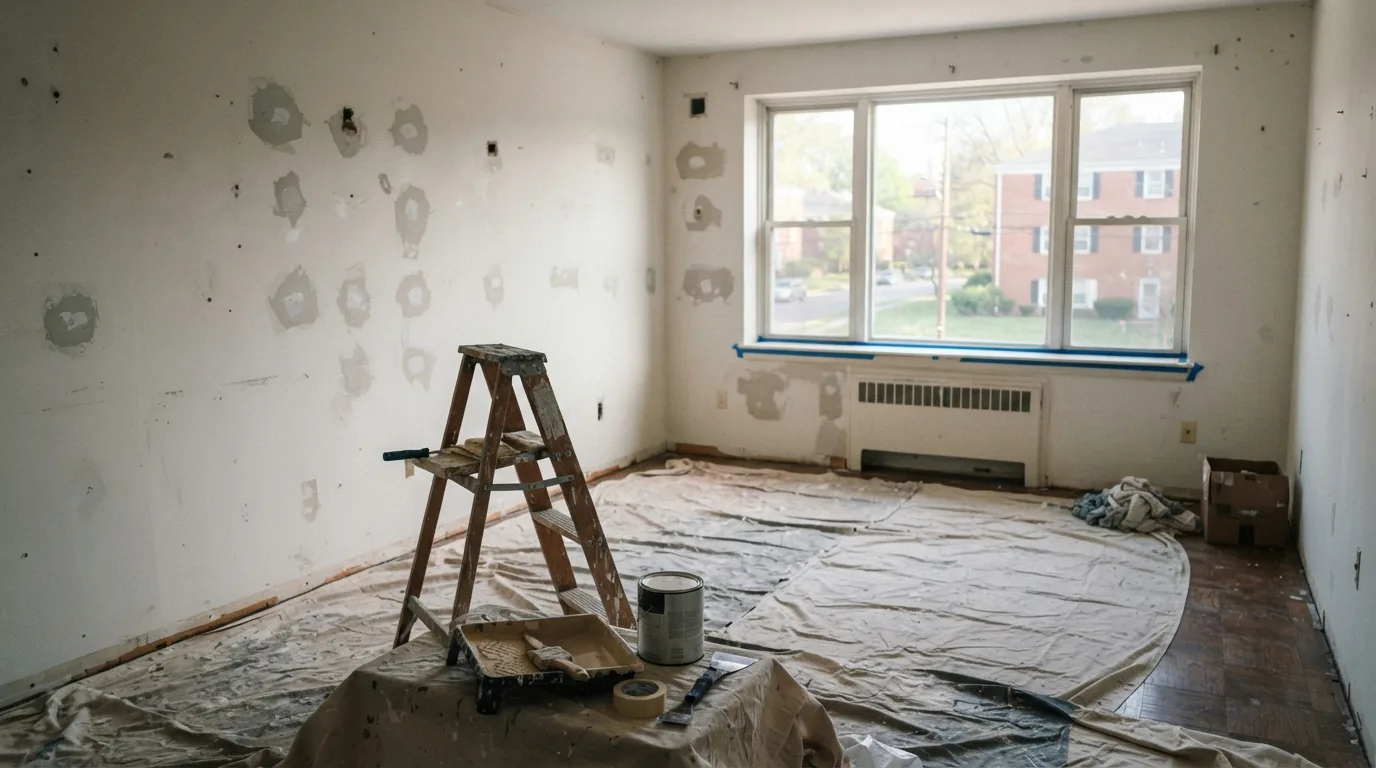
The clock on a vacant unit runs whether anyone is working in it or not. That single fact changes how turnover work should be planned.
Tenant turnover repairs aren’t technically demanding. What makes them go well or badly is sequencing and knowing what to look at, so nothing surfaces on day four that could have been ordered on day one.
Walk it before you have access
The most useful thing a landlord or manager can do is walk the unit with the outgoing tenant still in it, or at the move-out inspection, and build the list then.
That way materials are ordered, paint is matched and the schedule is set for the morning keys come back. Turning up on day one to start assessing burns the most expensive days of the vacancy on looking rather than working.
The tenant turnover repairs punch list, room by room
Everywhere
- Wall damage: anchor holes, shelf brackets, TV mounts, dents behind door handles
- Paint: touch-up versus a full repaint, decided per wall rather than per room
- Doors that stick, don’t latch, or have dropped on their hinges
- Blinds and window hardware, which get broken more than anything else
- Light fixtures, and every bulb replaced so the unit shows well
- Smoke and carbon monoxide alarms — tested, batteries replaced, and check the unit’s own expiry date
Kitchen
- Cabinet doors and drawer runners, which take the heaviest use in the unit
- Faucet drips and the seal around the sink
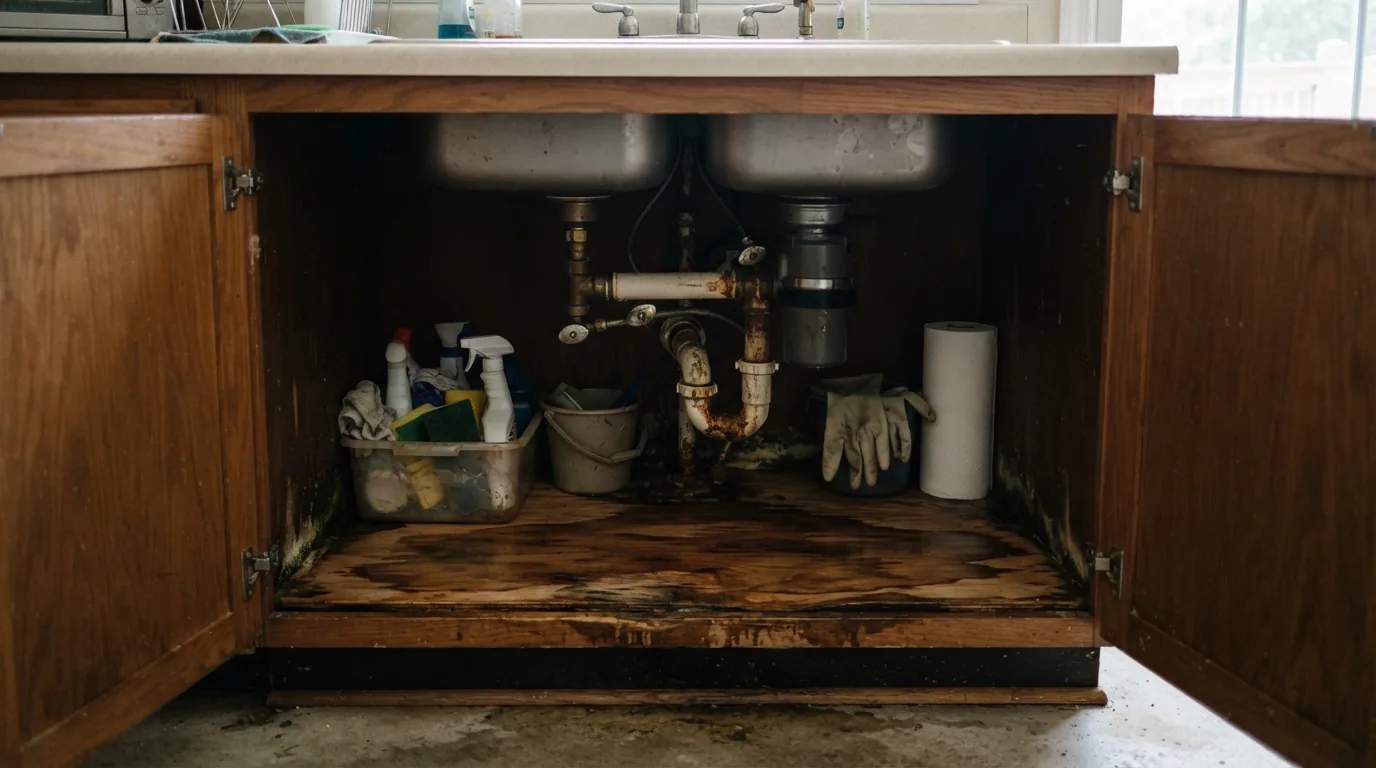
- Under-sink cabinet base for water damage — the most commonly missed item on this list
- Appliance seals, and whether the range and refrigerator are actually clean rather than wiped
- GFCI protection on countertop outlets, tested with the button
Bathroom
- Grout and caulk around the tub and shower, which almost always needs redoing
- Extraction fan, tested and cleaned — see whether it actually vents outside
- Toilet seal and any movement in the pan
- Any sign of moisture at the base of walls or behind the vanity
The two items that cost most if missed
Water damage under a sink. A slow drip left for months turns a cabinet base soft and can reach the subfloor. Found at turnover it’s a contained repair. Found by the next tenant six months in, it’s a bigger job and an unhappy occupant.
Bathroom ventilation. If the fan doesn’t work or vents into the attic, the next tenant grows mold and you get the call. Testing it takes ten seconds — hold a sheet of tissue against the grille and see whether it holds.
Both are cheap now and expensive later, which is the entire argument for a proper punch list.
Fair wear versus damage
The distinction that decides what comes out of a deposit, and it’s worth being clear-eyed about.
Generally treated as fair wear: faded or scuffed paint after a long tenancy, minor carpet wear in traffic paths, small nail holes from hanging pictures, worn cabinet finishes.
Generally treated as damage: large holes, unapproved paint colors, broken fixtures, pet damage, missing hardware.
The gray area is real and depends on how long the tenancy ran. Paint that would be damage after six months is often fair wear after four years. Maryland has specific rules on security deposits, including timelines for returning them and for itemizing deductions — the Maryland Attorney General’s guidance for tenants and landlords is the right reference rather than a rule of thumb, because getting the process wrong can cost more than the repairs.
Photographs at move-in and move-out settle almost every one of these arguments before it becomes one.

The tenant turnover repairs worth doing while it’s empty
An empty unit is the only time some jobs are easy. Worth considering:
- Repainting fully rather than touching up, if the walls are patchy — it’s dramatically faster with no furniture in the way
- Flooring replacement, which is close to impossible with a tenant in place
- Anything needing wall access, since drywall work is disruptive when occupied
Deferring these to keep one turnover short often means a longer, more disruptive job later with a tenant to work around.
The short version on tenant turnover repairs
Tenant turnover repairs are measured in vacancy days, so the list should be built at move-out inspection rather than after handover, with materials ordered in advance. Work room by room, and pay particular attention to two items that get missed and cost most later: water damage under the kitchen sink, and a bathroom fan that doesn’t work or doesn’t vent outside. Be clear on fair wear versus damage, follow Maryland’s deposit process, and use an empty unit for the jobs that are hard to do around a tenant.
If you manage rental property locally and want a contractor who can turn a unit around quickly, that’s the full range of what we handle across Silver Spring and the surrounding area. Happy to walk a unit before the keys come back.
Frequently asked questions
Q: How fast can a unit be turned around?
A: A light turnover with touch-up paint and small repairs can be a couple of days. Full repaint and flooring is a week or more. The single biggest factor is whether materials were ordered before access, not how fast anyone works.
Q: Is it worth repainting every time?
A: Not always. Decide wall by wall. After a long tenancy, or where there’s patchy touch-up from previous turnovers, a full repaint often looks better and takes less time than trying to blend.
Q: Can I deduct repairs from the security deposit?
A: For damage beyond fair wear, subject to Maryland’s rules on notice and itemization. The process matters as much as the amounts, so it’s worth reading the state guidance rather than assuming.
Q: What gets missed most often?
A: The cabinet base under the kitchen sink, and the bathroom extraction fan. Both are quick to check and both become considerably more expensive once the next tenant is living with them.
