


Start with the pricing unit
Fence installation cost per panel is only useful when you know what the panel figure represents. Ask whether the estimate covers the complete installed fence or only the fence sections. Then compare that scope with any quote based on linear feet. The unit matters because two estimates can describe the same boundary in different ways.
A panel-based estimate groups the fence into visible sections. That can feel straightforward when you are looking at a plan with repeated sections between posts. It becomes less useful when the property has different runs, corners, gates, changes in direction, or areas that need a different treatment. A panel count does not explain every part of the work by itself.
The supplied cost resources use linear footage as an input for an estimate, while another source presents fence work as a panel installation breakdown. Neither format tells you enough until you know what labor and materials sit behind the figure.
Before comparing totals, ask each contractor to state the pricing unit in plain language. Then ask for the measured length, the number of panels, and the items included in the quoted scope. You do not need to force every proposal into the same format. You do need to compare matching work.
A useful comparison looks beyond the headline amount. It checks whether the quotes describe the same material, fence layout, posts, gates, removal work, and site preparation. If one proposal covers only the fence sections and another covers a more complete installation, the totals are not truly competing prices.
The project and its location affect fence installation costs, so a broad guide or calculator cannot replace a site-specific discussion. Use general pricing information to learn what to ask, not as a local promise about your property.
A panel price is not the whole scope
A per-panel figure can be accurate for the narrow work it describes and still leave important questions unanswered. The phrase installed per panel sounds complete, but the proposal should explain what installation means in that particular job. Ask for the scope in writing before you treat the figure as the project total.
The visible fence section is the easiest part to picture. Behind it are the components that hold the fence in place and the work needed to create a continuous boundary. Posts, connections, gates, removal, disposal, and preparation may affect the final amount, but they should not be treated as included unless the proposal says so.
Materials also need a clear description. A panel count without those details can hide a difference between two otherwise similar-looking proposals.
Labor deserves the same attention. Ask whether the labor covers layout, setting posts, attaching sections, fitting gates, and cleaning up the work area. Do not assume that a per-panel labor figure includes every task needed at your property. The answer may change if the existing fence must be removed or if the ground requires extra preparation.
Some items are commonly discussed during fence planning but cannot be assigned to every project automatically. Confirm each one rather than relying on a general assumption:
- Existing fence removal
- Posts and post installation
- Gates and gate hardware
- Hauling and disposal
- Grading or other site preparation
These questions are not about finding a single universal definition of installed. They are about making sure the words in the proposal match the work you expect to receive. A quote can be clear even if it does not include every possible item. The problem is a quote that leaves the scope open while presenting a firm-looking panel amount.
The same care applies to repairs near the new work; see our Fence Repair & Installation guide. An old post, uneven boundary, or damaged section may need attention before a new fence can be installed properly. Ask whether the proposal covers only new installation or also addresses existing conditions that could affect the result.
If you are comparing wood, metal, or another fence material, keep the comparison on equal terms. Do not compare a basic section in one material with a more detailed style in another and then treat the difference as labor alone.
A clear proposal should tell you what is included, what is excluded, and what could change after the site is reviewed. That gives you a useful basis for deciding whether the panel price represents the whole job or only one part of it.

The site sets the labor
Panel count describes quantity, but it does not describe the conditions under which the work must be done. Location and access can affect the labor needed for the same number of fence sections. Share those details early so the estimate reflects the actual project rather than a simple count.
Start with the fence route. Explain where the fence begins and ends, and how it turns. Say whether the line follows a boundary, side yard, or rear property section. A straight run and a layout with several corners may use similar materials while requiring different measuring and installation work.
Describe the ground along the proposed line. Sloping or uneven ground can change how sections meet and how posts are positioned. Areas that are difficult to reach can also affect how materials and tools get to the work area. The point is not to judge the site yourself. It is to give the contractor enough information to ask better questions.
Access matters even when the fence line is easy to see. Tell the contractor how the work area can be reached. Say whether materials use a narrow side path, go around the house, or cross another property area. Also mention landscaping, structures, stored materials, or other obstacles near the proposed fence.
Existing conditions belong in the first conversation. Let the contractor know if an old fence is present, if sections are leaning, or if posts remain in the ground. A new installation may require removal or extra preparation, and those tasks should be discussed rather than discovered after the work begins.
Property questions deserve care. You should identify the intended boundary and share any information you already have about the lot. If the line is uncertain, say so before the estimate is prepared. A fence plan should not depend on an unspoken assumption about where the property ends.
A local estimate also needs local context. The supplied cost sources say fence installation costs depend on the project and its location. The calculator asks for a ZIP code and linear footage. Those details show why a general panel figure cannot stand in for a site-specific estimate in Montgomery County.
When you request a quote, provide:
- The approximate fence length and panel count, if known
- The planned fence route and any corners
- Access limits around the house or yard
- Existing fence, posts, landscaping, or obstructions
- The material, style, and gate needs you are considering
You do not need perfect measurements before asking for help. A rough description is useful if it is honest about what you know and what still needs to be checked. Photos of the route can also help explain access and existing conditions, especially when the person preparing the estimate has not yet seen the property.
Site information does not guarantee that every quote will match. It gives each contractor a fairer picture of the work and makes differences easier to explain. If one bid includes difficult access and another does not, their totals may differ for a concrete reason. One price is not necessarily simply higher.
Put every bid on the same footing
A quote comparison works best when you read each proposal as a description of work, not just as a total. Start by asking how the fence was measured. The proposal should make clear whether the price uses panels, linear feet, or another basis, and it should identify the quantity that basis represents.
If you are considering wood, metal, or another option, make sure each quote describes a comparable product. A different style can change the amount of material, the fittings, the appearance, and the work involved.
Labor should be separated from vague phrases such as complete installation unless the contractor explains what those words cover. Ask whether the labor includes layout, post placement, attaching the panels or sections, fitting gates, and cleaning the work area. If a task is not listed, ask whether it is included, excluded, or dependent on what the site inspection finds.
Removal is another point that can create an honest difference between bids. If an old fence is present, ask whether the contractor will take it apart, remove posts, haul away debris, and dispose of the material. A proposal that leaves the old fence in place is not equivalent to one that includes removal and disposal.
Gates deserve their own line of questions. Ask how many gates the proposal covers. Ask what material and style they use. Confirm whether hinges, latches, posts, and other hardware are included. Do not assume a gate is included because the estimate describes a complete fence. The gate may be priced separately or may not be included at all.
Posts also need attention. Ask whether the quoted panel price includes posts and their installation. Confirm how corners, ends, and gate openings are handled. These parts support the fence but may not be represented by the number of ordinary sections.
Site preparation can be equally significant. Ask how the proposal handles uneven ground, access restrictions, landscaping, and any existing conditions along the route. Grading, clearing, repairs, and other preparation should be identified rather than folded into a broad phrase that each contractor could interpret differently.
Use the following order when reviewing a proposal:
- Match the measurement basis and quantity.
- Confirm panels, posts, gates, and hardware.
- Confirm removal, hauling, disposal, and preparation.
- Ask how site conditions could change the scope.
Then compare the exclusions. A lower total may leave out removal, gates, disposal, or preparation that another proposal includes. A higher total may cover more of the work or may reflect a different material and layout. You cannot tell from the total alone.
Ask what happens if the measured length changes after the site is reviewed. Also ask how the contractor will handle an existing condition that was not apparent in the initial conversation. The answer should explain the process for discussing a scope change, not leave you guessing about the final bill.
Clear questions protect both sides. You know what you are accepting, and the contractor has a better chance of planning the labor and materials correctly. That is more useful than pressing every proposal into a single panel number that hides the differences.
For related planning, you can review guidance on choosing a fence material for privacy and comparing local fence contractors. If the existing fence needs attention before replacement, information about fence repair costs may help you frame that conversation.
Prepare before requesting an estimate
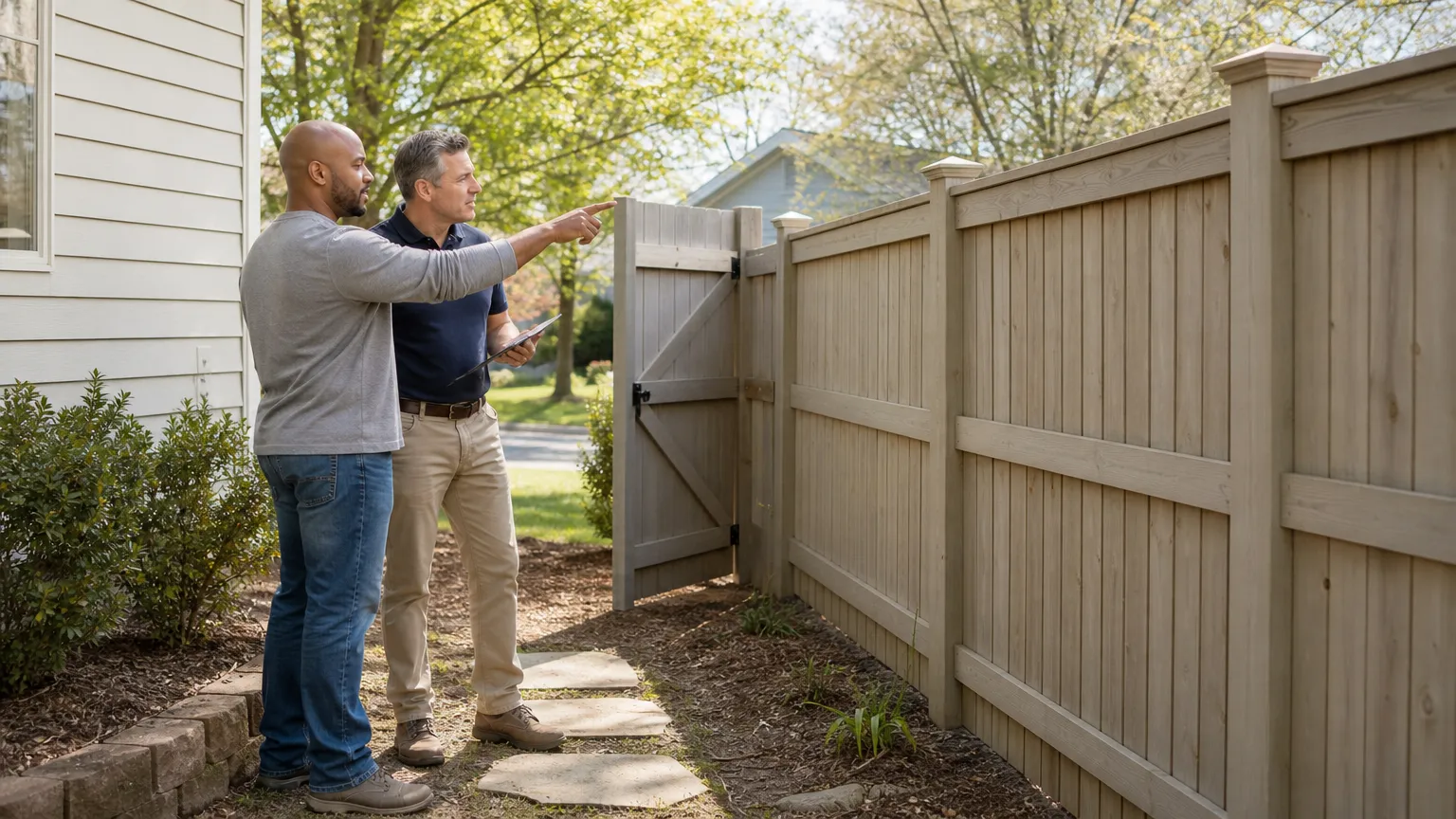
A site-specific estimate starts with useful information. Walk the proposed fence route and note where the line begins, where it ends, and where it turns. You can use an approximate length if exact measurement is not available, but explain that it is approximate. The contractor can then confirm the measurement during the estimating process.
Look at access next. Identify narrow passages, locked areas, landscaping, sheds, retaining features, and other conditions that could affect how materials reach the fence line. Mention anything that may need to move before work starts. A clear access description helps explain labor differences between otherwise similar projects.
Check the existing fence closely. Note leaning sections, damaged posts, gates that no longer work, and material that may need removal. Decide whether you want repairs considered separately or whether the goal is a new installation. Keeping those choices clear prevents repair work from being mixed into a replacement discussion without your knowledge.
Write down your priorities before requesting bids. You may care most about privacy, appearance, boundary definition, durability, or keeping the layout simple. Share those priorities with the contractor, then ask how the proposed material and style address them. Do not compare a privacy-focused design with an open decorative design as if they were the same scope.
Confirm the property questions you can answer. Identify the intended fence line and raise any uncertainty about the boundary. If you have information about the lot that affects the planned route, share it early. A contractor can price the work more clearly when the proposed location is understood.
Bring your questions in a simple order:
- What unit was used to prepare the estimate?
- Are posts, gates, and hardware listed separately?
- Does the scope cover removal, hauling, disposal, or preparation?
- What site condition could change the proposal?
You do not need to choose a contractor based on a panel figure alone. Choose the proposal that lets you understand the work being priced and the questions that remain open. When two bids differ, return to the measurement, material, access, labor, removal, gate, post, and disposal details before deciding what the difference means.
If you are ready to discuss the fence line, the materials, and the site conditions, contact us for a project-specific conversation. Call us to review the work and request an estimate based on the actual property rather than a headline panel figure.
Frequently asked questions
How much should I expect to pay for fencing?
A reliable fence total depends on the project and its location, so a general panel figure cannot serve as a local quote. Ask for the measurement basis, material, labor, gates, posts, removal, disposal, and site preparation in writing before comparing totals.
What does a per-panel fence installation price include?
A per-panel price may describe the fence sections and some installation labor, but the scope must state what is included. Confirm the material, style, posts, gates, hardware, removal, disposal, and preparation instead of assuming those items are part of the panel amount.
How can I compare quotes that use different pricing units?
Ask each contractor to state the measured length, panel quantity, pricing unit, and complete scope. Then compare matching materials, labor, posts, gates, removal, disposal, and site preparation rather than comparing the headline totals alone.
How much is labor to install a wooden fence?
Labor cannot be separated reliably from the site and scope without knowing the fence route, access, existing conditions, layout, and work included. Ask whether the labor covers layout, posts, sections, gates, removal, disposal, and preparation for the specific property.
