

What this article helps you decide
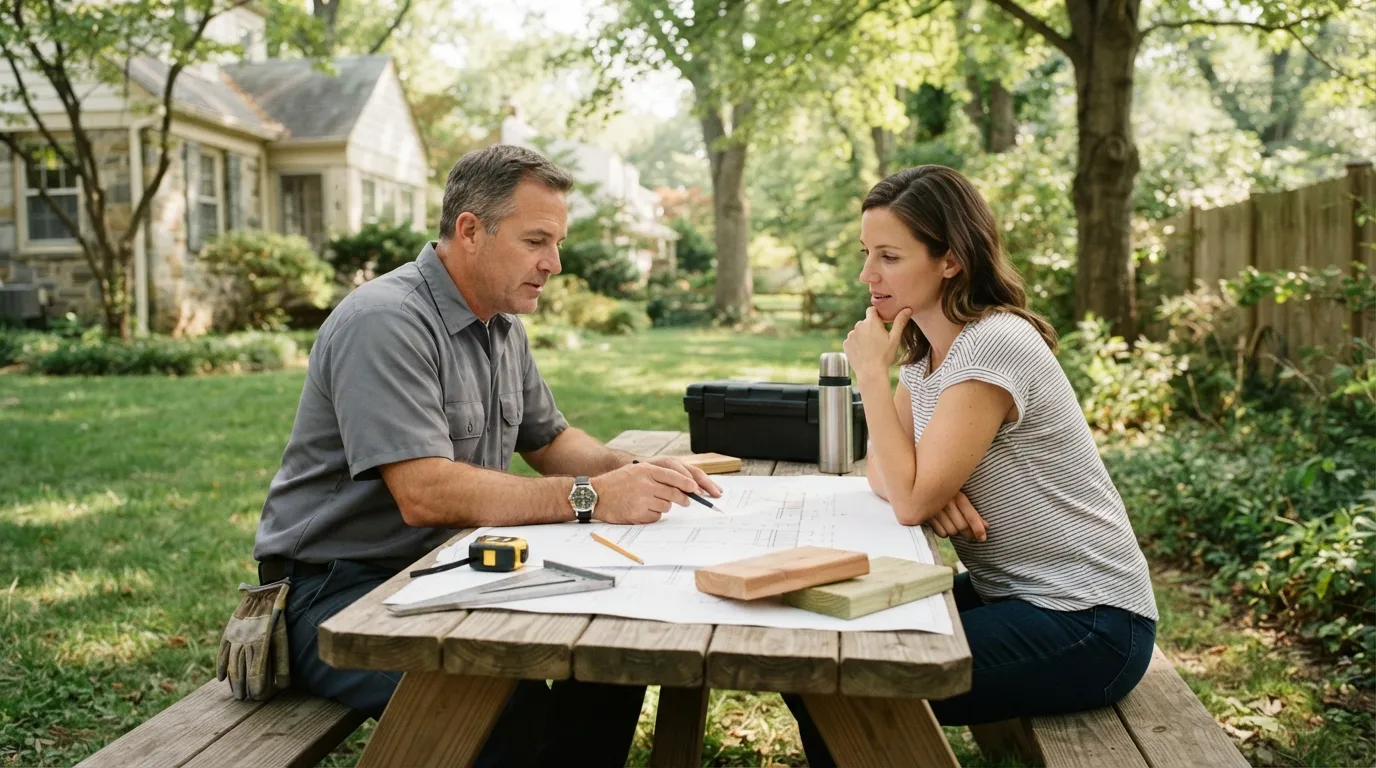
If you searched for how to choose a fence company in Silver Spring, this article is for you. You want a clear way to compare bids, a short list of must-have items on a written quote, and a picture of what actually happens on install day. Read this if you are planning a new fence, a privacy run, or a repair where you want the work finished without surprises.
We focus on the items that change the job most: who pulls permits and who checks property lines, the materials that hold up best where you live, what a written estimate must say so you can compare two bids fairly, and what you should have ready before anyone turns up. Use the checklist at the end when you have two or three estimates in hand. When you call a contractor, you will sound like someone who knows what to check and who expects a written answer.
How local rules and HOAs shape your project
Local permit rules and HOA covenants do more than add paperwork. They decide where a fence can go, how tall it can be, which side of the post the finished face must show, and whether a style you like is allowed at all. That changes the design and often the cost: if a set-back or sight-line rule forces you to move posts or add a shorter section, the labor and materials differ from the contractor’s first sketch.
Start by pulling two pieces of information before you get three written quotes. First, check your HOA or deed restrictions for maximum height, required materials or visible colors, and any need for prior approval. Second, call the local permitting office or look at their website to learn whether a building permit is needed for your planned height and location. If your lot sits on a slope, at the corner of a street, or has a shared alley, those site constraints commonly change the rules or require a separate review.
Do not assume a contractor will manage every interaction with the HOA or the county. Some contractors include permit filing and follow‑up as part of the job; others ask you to sign as the owner for documents the county requires. Ask who will prepare drawings, who signs applications, and who pays inspection fees. If the contractor says they will handle permits, get that in writing and on the estimate so you can compare bids fairly.
Utility locations and property lines come next. Before digging, you must locate buried utilities and know your exact boundary. A county utility-locate service will flag public lines; private lines and unclear corners are a different problem. A recent survey or a marked property-stake set makes disputes rare. If you expect to shift the fence to match a line that’s in dispute, get the survey first and resolve the boundary before work starts.
Finally, timing changes with rules. An HOA review or a county inspection can add days or weeks to an install that otherwise looks like a single-day job. Factor those lead times into your plan, and tell whoever you hire about any approval deadlines you cannot miss.
How to compare written quotes and what must appear
A written quote is the single most useful document you will get from a contractor. A thorough written quote leaves no guesswork about what the bid covers, how finish choices affect the price, and who does what. When you compare two or three bids, line up the same items and ask the same questions until the apples match.
- A complete description of the work, including total run length, gate locations, and which side is the finished face.
- The material specification for posts, rails and infill: wood species or grade, vinyl profile or PVC catalog number, or type and gauge for metal sections.
- How posts are set, including hole depth, concrete or gravel backfill, and any footings or brackets used at poor soils.
- Fastening and finishing details: type of screws or nails, post caps, stain or sealer where relevant, and whether gates come with hardware installed.
- A start window and the estimated days on site, plus any allowance for weather or inspection delays.
- A clear statement of who obtains permits and who pays inspection fees, and a note about responsibility for locating utilities.
- Payment terms and the final acceptance condition: what sign‑offs you will receive and when the job is considered complete.
When you read a quote, check that the job description matches the diagrams or photos the contractor used. If one estimate says “pressure-treated posts” and the other says “cedar posts,” those are not the same material even if both say “wood fence.” Ask for the mill grade or a manufacturer spec sheet if you are comparing species or vinyl models. For post settings, the words “set in concrete” do not say how deep a post is set or whether the contractor uses a compacted gravel base; the depth and backfill matter for longevity.
Watch for exclusions. Some written bids put the cost of removing an old fence, roots, or a concrete slab in a separate line labeled “extras.” That is fine as long as you know which items are optional and which are part of the base price. If one quote lists tree root removal and the other doesn’t, you are not comparing apples.
Get the warranty or guarantee language in writing. A note that a part is “warranted by the manufacturer” is not the same as a contractor promise to repair workmanship. Ask for the exact terms, who to contact for a covered problem, and how long the coverage lasts. If the contractor will not put warranty language on paper, treat that as a red flag.
Finally, ask each bidder to give a short written note about how they will protect landscaping, how they will manage access to your yard, and whether they will use temporary gates or ramps for equipment. Those are easy details to overlook during a site visit yet they are the complaints homeowners pair with otherwise good installs.
Materials, durability and what to ask the installer
Material choice determines how your fence looks and how much upkeep it needs. In general terms, treat each material as a package of tradeoffs: appearance, upkeep, wind resistance, and how it performs against rot and insect exposure.
Wood is the classic look for many yards. Ask what species and what grade you are being offered, how the posts are treated below grade, and whether rails are notched or through‑fastened. Cedar is commonly used for its natural resistance to rot, but pricing and board width change the outcome: a thicker rail or wider board lasts longer and looks better after a few seasons. Also ask about finish: raw wood left unsealed weathers differently from stained or sealed wood, and that choice affects how soon you will need to recoat surfaces.
Vinyl and PVC offer low‑maintenance options. When you are quoted vinyl, confirm the profile and wall thickness, how posts are reinforced, and whether the color is through‑pigmented or only a surface finish. Thinner vinyl panels can fail under wind load or sag where spans are long, so ask how long the spans are between posts and whether any hidden steel or aluminum reinforcement is used.
Metal options, including aluminum and steel, resist rot and are often lighter. For an aluminum fence, ask about picket gauge, welds at corners, and how the posts are anchored. For steel, ask whether sections are galvanized, powder-coated, or both, and what rust protection the contractor applies to cut edges and fasteners.
Whatever the material, drill down on these installer details: post size and setting depth, backfill method, type and length of fasteners, gate hardware brand or rating, and how posts are braced in long runs or on slopes. Ask for photos of finished work with the same material and the same post spacing so you can see real examples of their installations.
Also bring up wind and weather. If your lot sits in an exposed location, ask how the installer increases resistance: shorter panel spans, larger posts, mechanical anchors, or cross-bracing. A contractor who can explain why they chose a particular post diameter or footing method shows that they are thinking about longevity, not short-term savings.
Insurance, licensing and guarantees to check
When a contractor hands you paperwork, know what to look for and what questions to ask if something is missing. A business that will work on your home should be able to produce evidence of insurance and the identity of the insurer. Ask to see a current policy page that lists the contractor and the job site as an insured location, and check the policy dates.
A contractor who cannot show proof of insurance on request is a risk. If you ask for certificates that name you as the certificate holder or that list a project address, and the contractor hesitates, stop and ask why. The paperwork should make clear who carries liability for property damage, and whether workers are covered for injury on the job.
Licensing is a separate check. If your county or state requires a contractor license for fence work, ask for the license number and the name under which it is issued. If the contractor gives you a license, confirm it with the issuing agency. If the business refers you to a badge or third-party certification, treat that as one piece of evidence rather than the whole story: ask what the badge checks and whether it covers the kind of work you are having done.
If a contractor offers a workmanship guarantee, get the terms in writing. The statement should say what is covered, how long the coverage runs, and who fixes defects if they appear. If the guarantee requires routine homeowner upkeep to stay valid, make sure that condition is spelled out.
You need documents before you sign. If a bidder will not produce them, move to the next candidate. Always get any promises about permits, inspections, and warranties on the estimate or the contract.
What actually happens on install day
Install day is where the plan meets the ground. A sensible sequence of work keeps your property protected and makes it easier to spot problems before the crew leaves.
Crews usually start with a final walk-through so the crew leader, you, and a foreman agree on the layout and gate locations. Pins or chalk lines mark the post locations. At that point, confirm where materials will be staged so foot traffic and plants are not crushed.
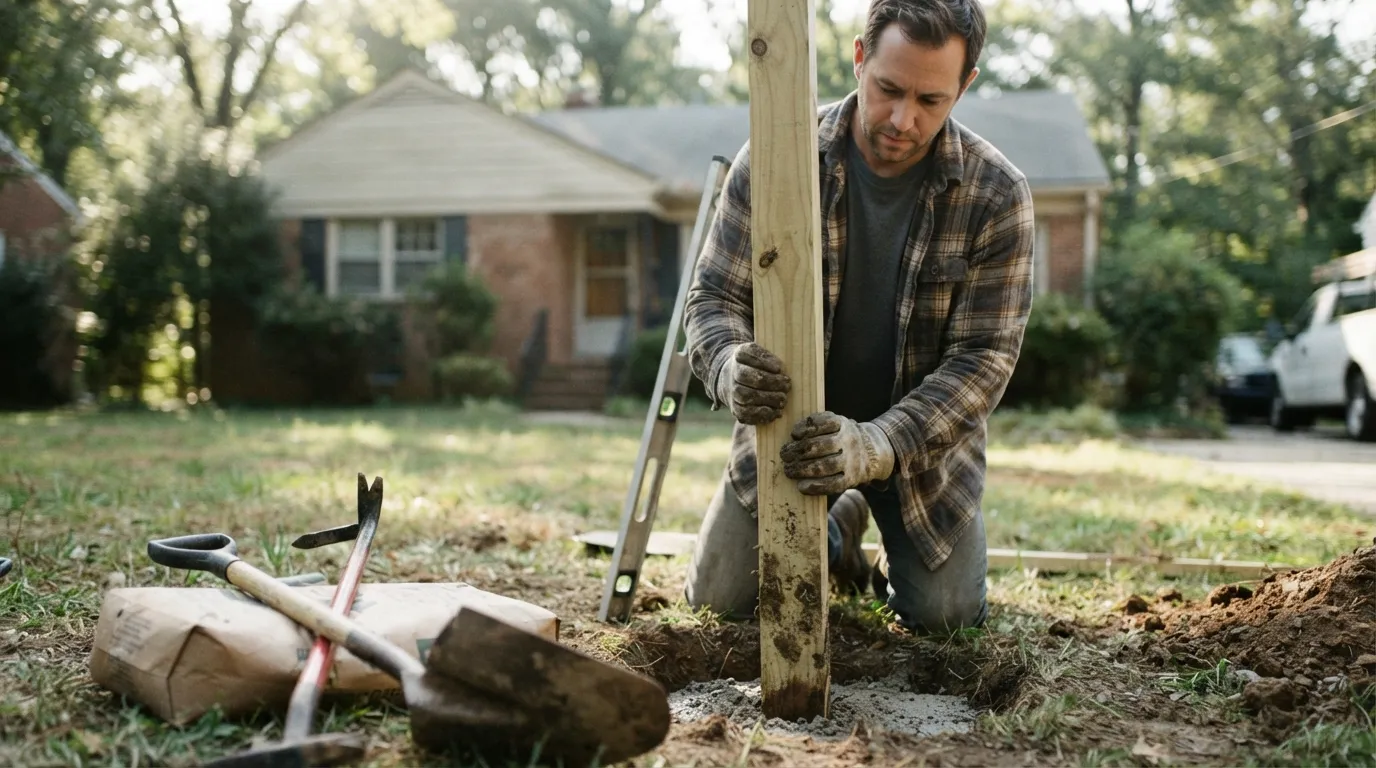
Next, the crew locates utilities. They should use the public locate marks as a baseline and then identify private lines or irrigation that the public service does not mark. If you have a sprinkler plan or know where private wiring runs, show it to the crew before digging begins. Then the crew drills or digs post holes to the agreed depth, places the post with a level, and sets the post with the agreed backfill method. Where concrete is used, posts are set so the top of the concrete is below grade or shaped to prevent water pooling around the post.
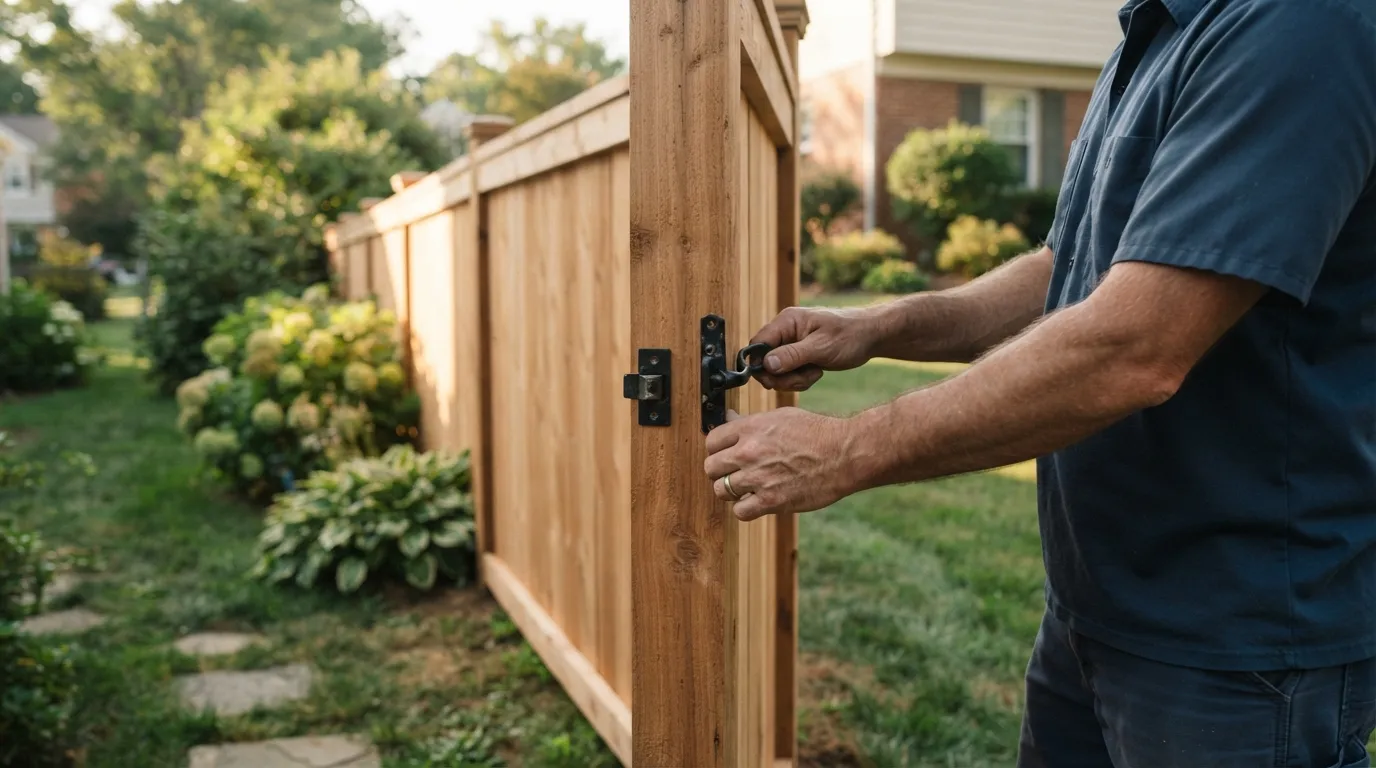
While posts cure, crews typically assemble rails and panels, fit gates, and install hardware. Ask how a gate will be secured and what allowance the installer leaves for post settlement. If the plan calls for staining or sealing wood, confirm whether that is done on the job or if you will be left with raw lumber to finish later.
Protecting landscaping matters. A careful crew will lay down temporary boards, move planters out of work areas, and keep tracked mud off paved areas. If a crew is using heavy equipment, tell them which paths to avoid and where they can park gear. If you expect a large truck to deliver panels, give the crew an access plan so they do not drive over fragile lawns.
That is the time to point out trim catches, missing post caps, or gate adjustment needs. A sensible crew will leave a clean site and a short list of items to finish. If something looks wrong, note it in writing and ask when it will be corrected.
The quick checklist to use before you sign
When you are ready to pick a contractor, use this short checklist to confirm the non-negotiables on the estimate and the contract. Read each item and only sign when every point you care about is either included or explicitly excluded and initialed.
- Job description that matches the layout you signed off on, with gate count and finished face specified.
- Exact material descriptions for posts, rails and panels, and the fastening method listed.
- Post setting details and a note about who locates utilities and who pays for a new survey if one is required.
- Permit responsibility spelled out: who pulls permits and who signs plans if the county requires owner consent.
- Payment schedule you can accept and the point at which you sign off that the job is complete.
- A written statement of how landscaping will be protected and who is responsible for cleanup.
- Warranty or workmanship promise in writing, with the name and contact for any follow-up.
Before you sign, sit down with the written quote and ask the contractor to initial any changes. If a contractor refuses to put critical promises in writing, walk away. A clear, signed document is the best control you have over scope creep and surprise charges.
When two or three bids look similar, choose the one that explains why it chooses the materials and methods it does, not just the one with the lowest number. That explanation tells you whether the contractor understands the local site and how to avoid common failure modes.
We can talk through the choices above and provide a written estimate you can compare with other bids.
Frequently asked questions
How do I find a good fencing company?
Start with local references and photos of recent work in yards like yours. Ask each candidate for a written quote that lists materials and post settings, proof of insurance, and examples of similar installations so you can compare what they actually build.
Do I need a permit for my fence?
You may need a permit depending on your lot, fence height, and local rules, and your HOA may have separate approval steps. Check with the county permitting office and your HOA early, and ask any contractor whether they will handle filings or expect you to sign the permit application.
Will the crew protect my landscaping and deal with buried utilities?
Ask each bidder to describe how they will protect plantings and where they will stage materials before work starts. The crew should use public utility locates as a baseline and confirm private lines with you before digging so sprinklers and buried wiring are not damaged.
What should I put in a contract to avoid surprise charges?
Insist that the contract names the exact materials, post setting method, who obtains permits, and which site conditions are treated as extras. Any work you expect the contractor to do, such as removing an old fence or sealing wood, should be written into the estimate so it is not billed later.
