

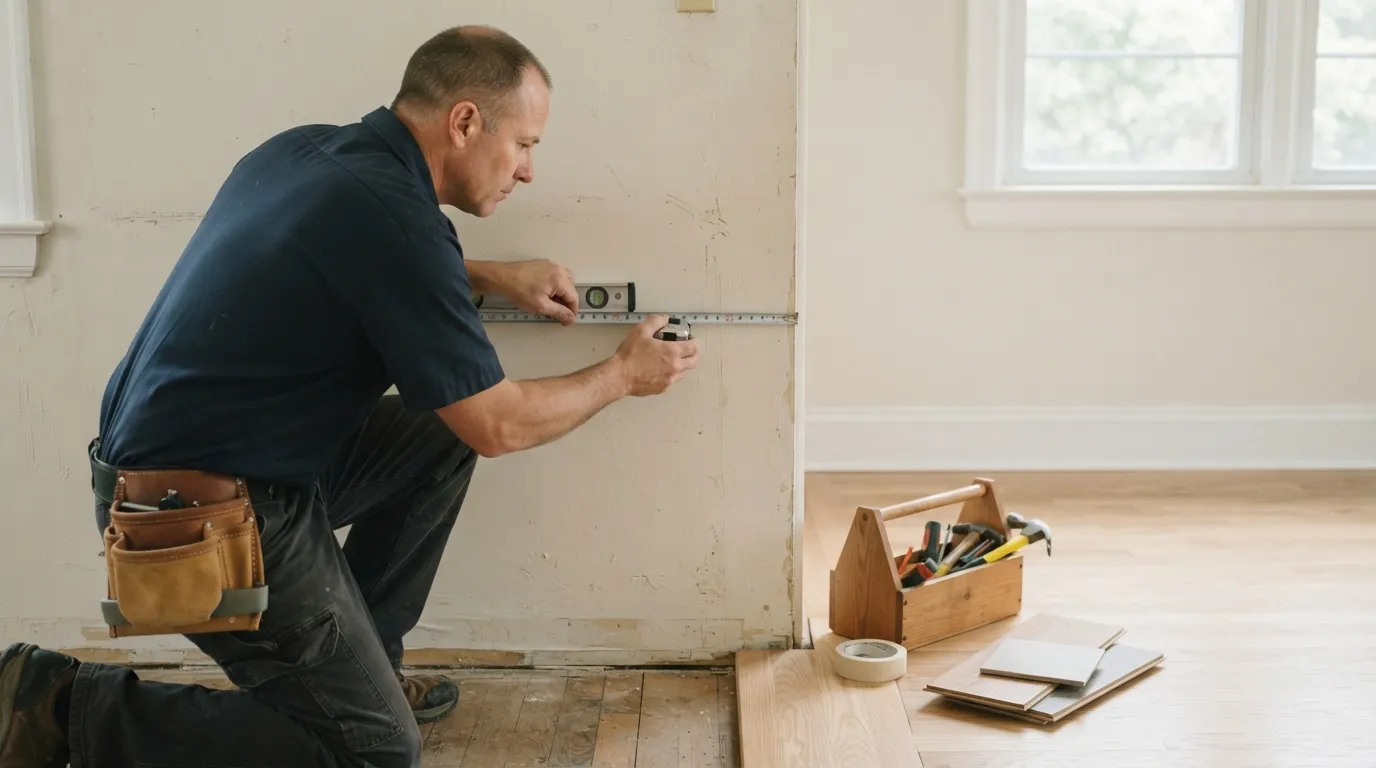
Start by defining the work
Handyman services in Chevy Chase, MD start with defining the job clearly, because a small repair, a room update, and a larger remodel need different planning; see our Handyman Chevy Chase, MD page. Patching, painting, flooring, fixture updates, and ordinary repairs can often be discussed as separate tasks. Work that affects structure, major systems, or approvals needs a more detailed plan before anyone promises a scope.
Begin with the result you want rather than the trade name you have in mind. A wall may need patching, a fresh finish, or attention to an underlying problem. A bathroom may need a fixture change, surface repairs, or a broader layout decision. Those are not interchangeable jobs, even if they happen in the same room.
Walk through the space and write down what you can see. Note damaged surfaces, loose trim, staining, uneven flooring, outdated fixtures, and finishes that no longer match. Take clear photographs from several angles. Include the surrounding area, not only the most obvious defect, so the person reviewing the work can see how access and preparation may affect the job.
A useful starting list might include:
- Drywall or plaster patching and finishing
- Interior or exterior painting preparation
- Flooring selection, removal, and installation questions
- Fixture updates and small plumbing or electrical fixes
- Fence repairs and exterior finish work
This list is not a promise that every task belongs in one visit. It gives the conversation a workable shape. Ask which items can be grouped together and which should be handled separately. Combining related preparation can make sense, but adding unrelated work simply because someone is already there can make the scope harder to control.
Be careful with the obvious shortcut. Painting over a damaged surface may look efficient, but a weak patch, loose finish, or moisture problem can show through later. Replacing a fixture may seem simple, yet the surrounding wall, floor, or connection may need attention first. A flooring choice that suits a hallway may not suit a room exposed to water or heavy wear.
The right question is not only, “Can this be repaired?” Ask what must happen before the repair, what finish should follow it, and what condition would make the planned approach unsuitable. If the answer depends on hidden damage, structural movement, major system changes, or a specialist assessment, pause before treating the work as a routine handyman task.
A clear scope also helps with decisions inside the home. Separate essential repairs from appearance changes. Mark work that can wait and work that protects another finish. Decide which surfaces must match and which can be updated together. That preparation gives the next conversation a useful starting point without pretending that the final scope is known before the space is inspected.
Older finishes change the preparation
Older homes deserve a closer look before work begins. Existing plaster, drywall, paint, flooring, trim, and previous repairs may not respond like newer, uniform surfaces. A repair plan that assumes every wall is flat and every corner is square can create problems during preparation and finishing.
Look for layers rather than judging only the outer finish. A wall may contain an older patch beneath newer paint. Trim may have been replaced in one area but not another. A floor may appear sound until furniture is moved or an edge is exposed. These conditions do not automatically prevent the work, but they can change the labor, materials, and finish that make sense.
Previous repairs matter for another reason: they may reveal how the home has been maintained. A recurring crack, soft area, stain, or uneven transition deserves attention before it is covered. Cosmetic work can hide a symptom without resolving the condition that caused it. Ask what the surface needs to be ready for the new finish, not only what color or material should go on top.
Matching can also be harder than choosing something new. An old texture, sheen, profile, or color may not have a perfect modern match. A small patch can remain noticeable if the surrounding surface has changed over time. Sometimes the better visual result comes from preparing a wider area or updating a complete section instead of stopping exactly at the damaged spot.
Access affects older work as well. Tight corners, built-in features, fragile trim, and uneven transitions require more care. Protect nearby surfaces before sanding, cutting, or removing materials. Confirm how dust, debris, and stored belongings will be managed before work starts.
The best plan leaves room for what the surface reveals. Ask what conditions would change the approach, which materials are being considered, and how the finished area will blend with what remains. That conversation is especially useful when preserving part of the existing character matters as much as making the repair disappear.
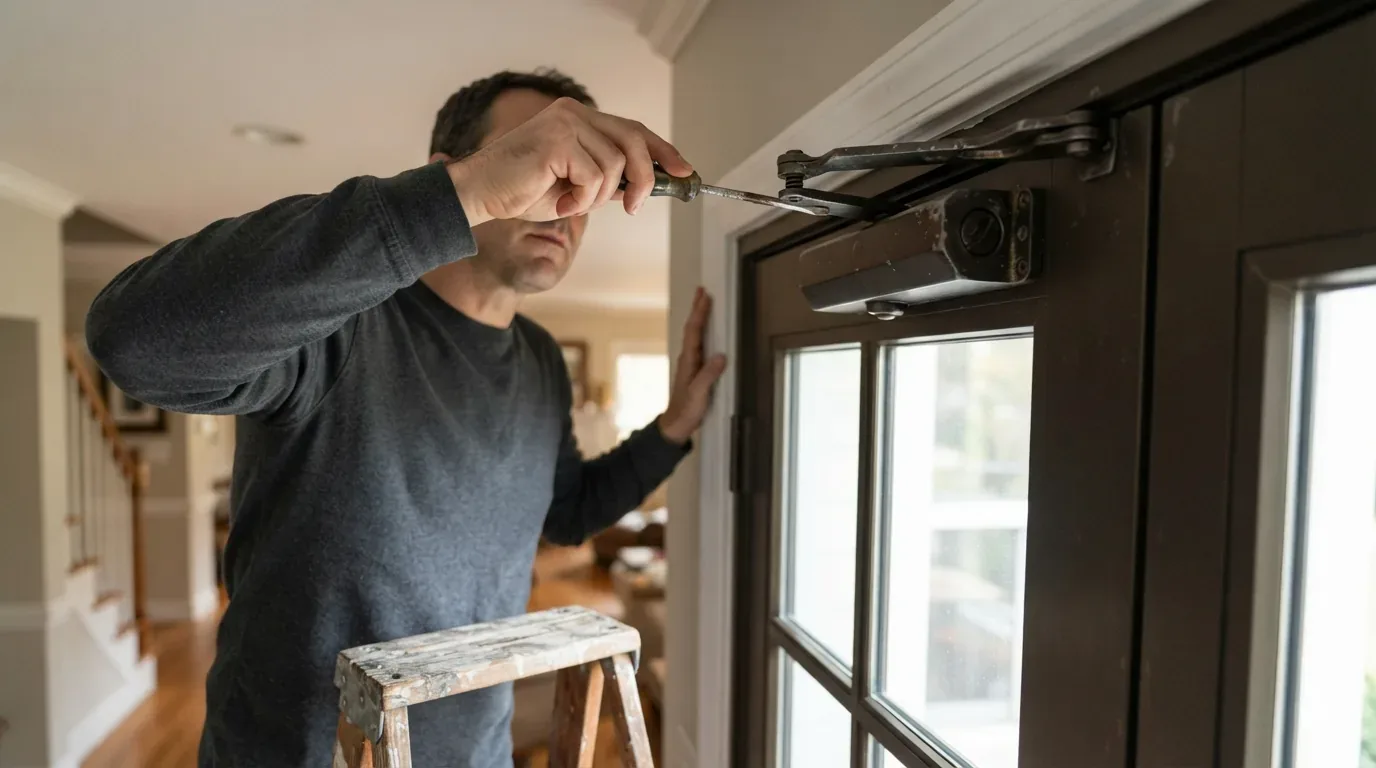
A useful estimate explains the whole scope
A useful estimate is more than a total. It should help you understand what work is included, what preparation is expected, which materials are covered, and what could change after the surface or room is inspected. Clear detail makes it easier to compare proposals without reducing the decision to the lowest figure.
Describe the project in plain terms before asking for a quote. Share photographs, room dimensions when available, the condition you have observed, and the result you want. Mention whether the space is occupied, whether furniture must be moved, and whether access is limited. A person preparing the estimate needs the setting as well as the task.
Ask the estimate to identify the work itself. For a painting project, that may include protection, surface cleaning, patching, sanding, priming, finish coats, and cleanup. For flooring, ask whether removal, subfloor preparation, transitions, and disposal are included. For a fixture update, ask whether surrounding repairs and connection work are part of the proposed scope.
Materials should be described clearly enough for you to make a choice. A finish is not only a color. Sheen, texture, durability, moisture exposure, and compatibility with the existing surface can all matter. Flooring, wall finishes, caulk, trim materials, fasteners, and fixtures may each affect the result. Ask who selects the materials, who supplies them, and what happens if the selected product is unavailable or unsuitable.
Preparation deserves special attention because it is often where the result is won or lost. Ask whether damaged material will be removed, whether loose paint will be addressed, whether uneven areas will be corrected, and whether nearby surfaces will be protected. A proposal that names only the final installation may leave the most important part unclear.
Exclusions are just as useful as inclusions. Ask what is not covered, including hidden damage, changes to adjacent areas, moving belongings, disposal, specialty materials, and work that requires another professional. An exclusion is not necessarily a problem. It gives you a chance to decide how that part will be handled before the project begins.
Timing should be discussed as a sequence rather than a single promise. Ask what must happen first, which tasks depend on drying or material availability, and whether the space can be used between visits. Confirm how weather or access could affect exterior work. For an occupied property, agree on how scheduling changes will be communicated.
Cleanup belongs in the conversation too. Ask what will be protected, what debris will be removed, how tools and materials will be stored, and what condition the room should be in at the end of the work. These details prevent a finished repair from creating a new household task.
Changes need a clear process. If the condition differs from what was visible during the initial discussion, ask for an explanation of the new work before approving it. The same applies when you change materials, add a room, or request a different finish. Keep decisions in writing so the scope, materials, and responsibilities remain easy to follow.
Compare estimates by asking the same questions of each contractor. Look at preparation, materials, exclusions, communication, cleanup, and the method for handling changes. A lower total may reflect a narrower scope, while a higher total may include work that another proposal leaves out. The useful comparison is what each proposal leaves you with.
Permit questions belong near the start
Permit questions can change a remodeling plan, so raise them before materials are ordered or work is scheduled. The need for approval depends on the nature of the project, the systems affected, and local requirements. Do not assume that a familiar repair is automatically free of permit concerns.
Start by describing the work accurately. A surface repair, fixture update, layout change, electrical adjustment, plumbing change, and structural alteration may be treated differently. The same room can contain several kinds of work, and the approval question may apply to only part of the proposed scope.
Ask these questions during planning:
- Does the proposed work require a permit or other approval?
- Which part of the scope creates that requirement?
- Who will confirm the requirement before work begins?
- Who will prepare and submit any required application?
- Who will arrange inspections or provide completion records?
- What happens if the approved plan changes during the work?
The project plan should identify responsibility rather than leaving approval as an assumption. If a contractor is handling the permit process, ask what information is needed from you and how progress will be communicated. If you are handling it, confirm that the proposed work matches what you intend to submit. Either way, keep the approval question connected to the actual scope.
Permits can also affect sequencing. Work may need to be inspected before a wall is closed, a finish is installed, or another trade proceeds. Materials and access may need to remain available for that review. A schedule that ignores those dependencies can create delays or force finished work to be opened again.
Changes deserve a second check. A small revision to a layout, fixture, wiring plan, plumbing route, or wall may alter the original approval question. Ask before approving the change, not after the work is complete. Written notes help everyone distinguish an approved revision from an informal idea.
Older homes may require extra care in this discussion because previous work is not always documented or easy to identify. Existing conditions can influence the plan even when the visible request sounds simple. Ask what will be inspected, what will remain untouched, and what condition would require the scope to be reconsidered.
A permit conversation is not a substitute for a detailed estimate. It is one part of planning, alongside condition, materials, access, timing, and cleanup. Treat it as an early decision point so the work can be organized around the correct requirements instead of adjusted after installation starts.

Landlords need a tighter work brief
Landlords and property managers need more than a description of the repair. They also need a reliable way to coordinate access, communicate with occupants, document conditions, and approve changes. A tighter brief reduces confusion when the person requesting the work is not the person living in the property.
Start with access. Identify who can let the contractor in, which areas are available, where tools and materials may be placed, and whether pets or other restrictions need to be considered. Confirm the preferred scheduling window and the process for rescheduling. Occupied properties need clear notice and respectful communication before anyone arrives.
Photos help establish the starting condition. Include the damaged area, nearby surfaces, and any access limitations. Ask for completion photographs that show the repaired area and surrounding condition. A consistent record makes it easier to review work remotely and helps distinguish a new issue from an existing one.
Separate priority repairs from improvements. A leak, unsafe fixture, damaged flooring, or condition that could worsen may need attention before appearance work. Create a short list in order of importance, then identify which items require approval before proceeding. This keeps a routine visit from becoming an open-ended request.
Approval boundaries should be written plainly. State which work can proceed under the existing instruction and which changes require permission. Include material substitutions, added damage, additional rooms, and work outside the original area. The person on site should know when to pause and ask rather than make an assumption.
Documentation should cover the scope, materials, access notes, occupant communication, changes, and cleanup. Keep the same information available to the owner, manager, contractor, and occupant where appropriate. Good records make follow-up easier and reduce repeated explanations.
A property manager can also ask for one point of contact. Clear responsibility avoids conflicting instructions and makes schedule changes easier to track. The goal is not more paperwork. It is a shared understanding of what will happen, who can approve it, and how the finished work will be checked.
Local work still needs a practical boundary
A local project is a practical fit when the work, access, location, and schedule can be understood before the visit is arranged. A nearby address does not remove the need to review the job. Project size and condition still shape the right next step.
Describe the property area, the rooms involved, the requested work, and any access limits. Mention stairs, occupied rooms, parking concerns, stored belongings, and exterior access when they affect preparation. These details help determine whether the task can be approached as a focused repair or needs broader planning.
Keep the request within the work you actually need. Patching, painting, flooring, fixture updates, fence repairs, and similar projects can be discussed clearly when the condition is known. Work involving major systems, structural concerns, or a specialist assessment should be identified early rather than folded into a general repair request.
Scheduling also depends on preparation. Materials may need to be selected, rooms cleared, surfaces allowed to dry, or approvals confirmed. Ask what must be ready before the work begins and how changes will be handled if the property is not ready.
For a property outside the immediate area, confirm the service boundary before planning around a visit. Nearby Montgomery County communities may still differ in access, travel, property condition, and scheduling needs. A direct conversation is the best way to decide whether the job is a practical fit.
Once the scope is clear, the next step is simple: get in touch, describe the work, and ask what information is needed to prepare a useful quote.
Frequently asked questions
What does a handyman do?
A handyman may handle focused home repairs and updates such as patching, painting preparation, flooring questions, fixture updates, and small repairs. The right scope depends on the condition of the property, access, materials, and whether the work involves a major system or structural concern.
What information should I provide to get a useful estimate?
Provide photographs, the rooms involved, the result you want, visible damage, access limits, and any scheduling restrictions. Ask the estimate to explain preparation, materials, exclusions, cleanup, timing, and how changes will be handled.
When might a remodeling project require a permit?
Permit requirements depend on the work proposed, the systems affected, and local requirements. Ask which part of the scope creates an approval question, who will confirm it, and who will handle applications or inspections before work begins.
How can I find a reliable handyman for seniors?
Look for a clear scope, straightforward communication, and a plan that addresses access, safety, preparation, and cleanup. Ask for the work and exclusions in writing, and make sure the person arranging the job understands how changes will be approved.
What should a landlord clarify before scheduling work?
A landlord should clarify access, occupant communication, priority repairs, photographs, approval limits, scheduling, and completion records. A written brief helps everyone understand what can proceed and when additional permission is required.
