

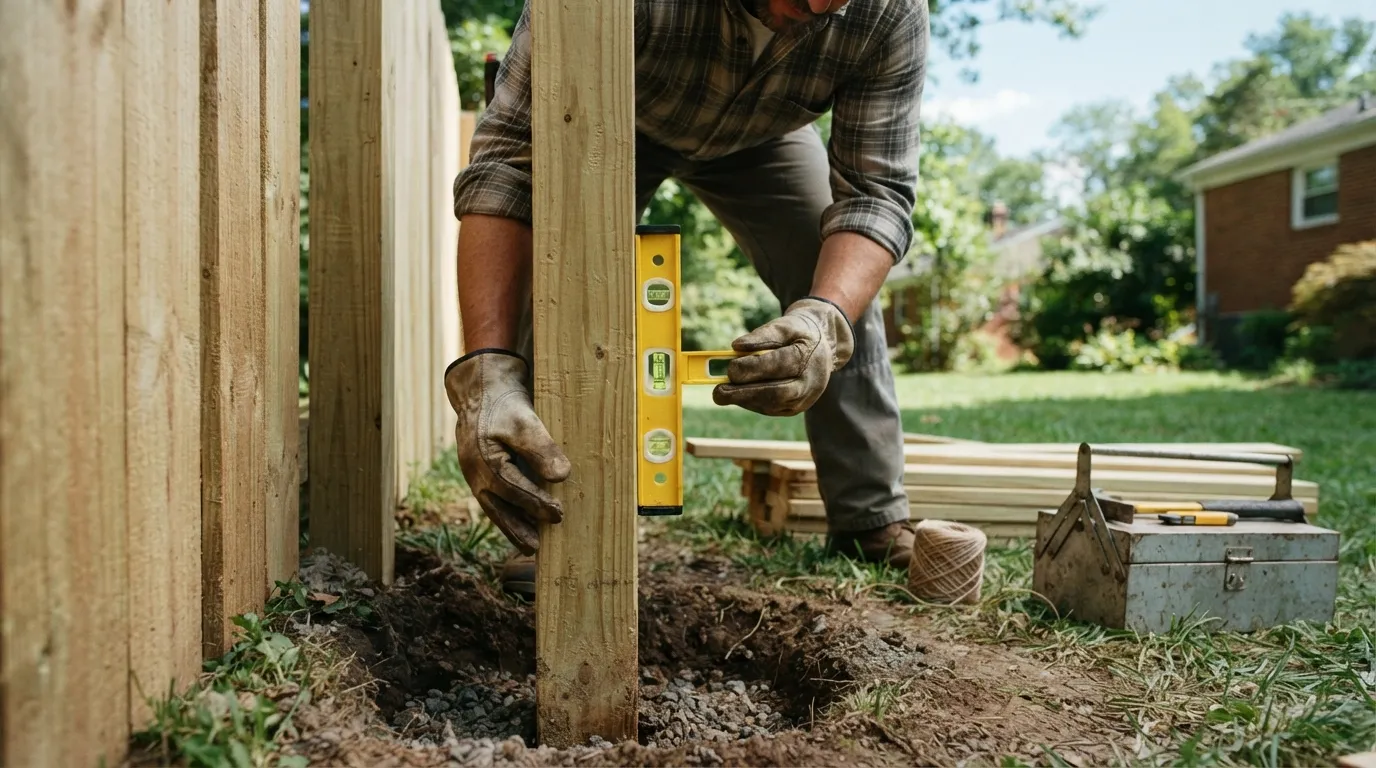
A quick checklist to decide what you need
Replacing or repairing a yard fence begins with a simple run-through of the parts that actually keep the line standing: posts, rails, panels or pickets, and any gates. If you searched empire fence company, you are likely comparing a full installation contractor to a local handyman, so start by answering these quick checks yourself before you call anyone.
- Are the posts solid in the ground or do they wobble when you push on a rail?
- Do the panels or pickets have rot, large cracks, or missing sections, or are the fasteners the main problem?
- Is the fence out of plumb because the ground has moved, or because a post has failed?
- Are gates sagging, rubbing on the sill, or hard to latch?
- Do you want the fence to match existing boards exactly, or is a simple visual repair acceptable?
If most of the damage is to rails, fasteners, or individual pickets, you are probably looking at a repair job a handyman can handle. If several posts are loose or the whole run leans, a replacement or post-reset may be needed. Have those answers ready when you call so whoever comes can size the visit and tell you what to expect.
Which fence materials suit different homes and yards
Choosing a material is more about how you want the fence to behave over time than how it looks on day one. Wood, vinyl, and aluminum are the common choices, and each brings a different balance of upkeep, look, and failure modes to consider.
Wood looks familiar on older and more traditional homes. It scores well for curb appeal because you can stain or paint it to match trim and landscaping. The downside you will see first is that wood needs periodic attention where it meets soil or where water collects. Boards laid close together trap moisture and hide rot until boards split or nails pull out. Expect routine touch-ups along the bottom edges and on gates where movement and rubbing wear finish and fasteners.
Vinyl keeps its color and resists rot because it does not absorb water, so small repairs are usually replacing a panel or snapping a board back into its channel. Vinyl does not take repeated fastening repairs well; if posts move or rails bend, panel systems can crack where panels lock in. That makes post condition more important with vinyl than with some wood systems: a solid post run means a long-lived panel installation.
Aluminum is a low-upkeep metal option that suits yards where you want visibility or a lighter visual profile, such as decorative front-yard runs or pool fences. It resists rot and insect damage but shows corrosion differently: scratches or exposed raw metal will reveal wear. Aluminum panels and pickets tend to be stiff; the work is usually about anchoring and aligning posts correctly.
Match the material to how you use the yard. If you have a sloping lot, wood is easier to adapt on site because boards and posts can be cut and fitted; if you want long unbroken runs with low regular upkeep, vinyl or aluminum will save time after installation. Think about gates, too: gates see the most movement, so choose a material and hinge detail that can be adjusted without replacing the entire opening.
Small fence repairs a handyman can handle
A competent handyman can usually tackle the routine jobs that stop a fence from getting worse. These are the fixes that restore function and appearance without needing a full install crew.
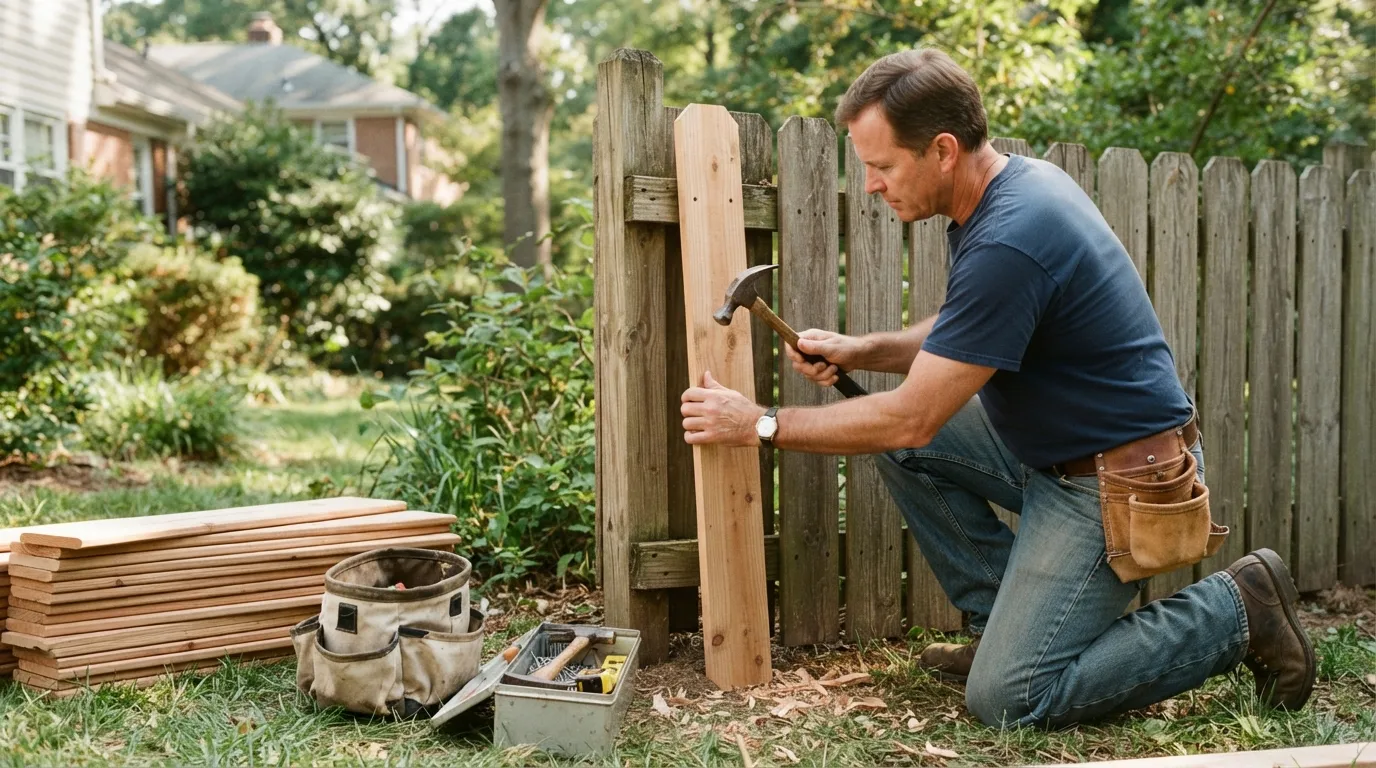
- Replace or reattach loose pickets or boards, swapping out rotten boards where the surrounding posts and rails are sound.
- Tighten, replace, or upgrade fasteners and hinges so gates latch and panels stop sagging or rattling.
- Shim and realign gate posts, retreating the hinge placement slightly so a gate stops scraping, when the post itself is still solid in the ground.
- Repair rails by sistering a new rail alongside a damaged one or by fastening a replacement rail to existing post holes when they remain straight.
- Re-secure toppers, caps, and trim that are cosmetic problems but let water in, which otherwise accelerates rot.
What a handyman will not usually do is dig and set a large number of new posts to precise alignment over long runs, or pour foundations for heavy ornamental gates. If posts are soft, hollow, or the run needs precise line work for a new panel system, those are jobs where a full fence installation crew is the right call because they bring layout tools, post-setting rigs, and teams to lift long panels in place.
One inspection check you can do before a visit will save time on the first trip: push on a post at about chest height, then at the top of the rail. If the post twists or moves more than a small amount, the post hole or the post itself is likely a replacement job. If the post stays put and the movement is in the rail or the pickets, a handheld repair will most likely fix it.
A handyman can also handle blended work you might want done at the same time: patching a short section, trimming back vegetation that rubs the fence, and making a gate adjustment so the new or repaired parts do not fail again. Bringing these items into a single visit saves you time and keeps small problems from growing into a full replacement.
Permits and approvals to check
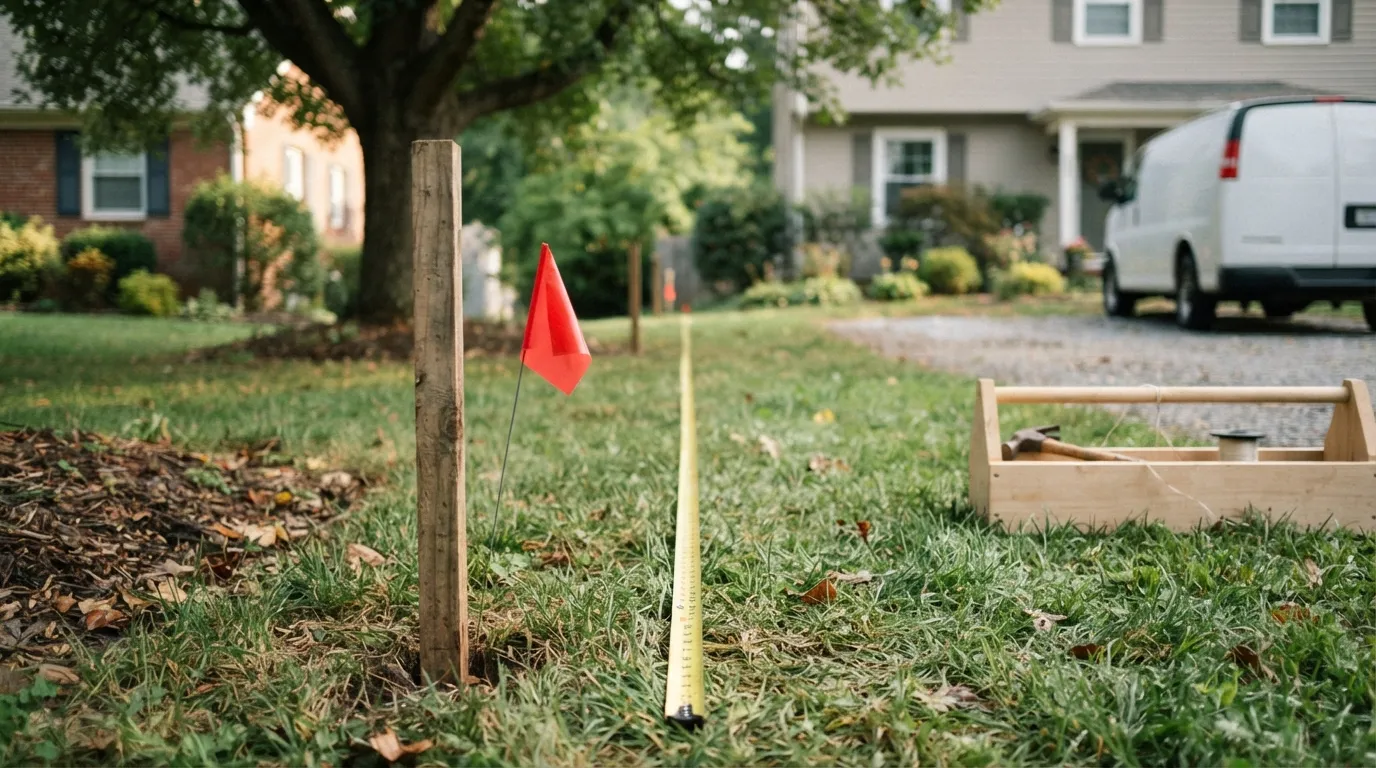
Fences sit on property lines and next to rights of way, so permits and approvals are a local detail you cannot skip. Before you sign any contract, check with your local permitting office about rules that affect height, visibility at corners, and the need for a permit. Those rules vary by lot type and by whether the fence is in front of the house, along a side yard, or adjacent to a public way.
The practical order you should follow is straightforward: first verify your property line, then check the municipal or county rules that govern fence height and setback. If you are under a homeowners association, you may have a design review process as well. Who applies for a permit differs by project and by installer; sometimes a homeowner pulls the permit, and sometimes the contractor does it as part of the job. Ask up front which approach the person you hire plans to take so the permit timeline is part of the schedule.
If the project includes work near utilities, or if you will be digging post holes, contact utility-locate services before excavation. That keeps the work safe and prevents costly delays if a line is hit. Where a fence run borders a public sidewalk or road, visibility and sight-line rules at driveways matter; these are the points inspectors will check.
When you compare bids, include permit handling in the conversation. A contractor that includes permit filing in the quote will usually list it as a line item; if you are hiring a handyman and expect them to pull permits, confirm that they are comfortable doing that paperwork and will provide the permit documents on completion. If permit filing falls to you, allow extra time before the start date so inspections and approvals do not push the schedule out.
How long jobs usually take
Timelines come down to three practical things: how many posts need work, whether you are matching existing boards, and how easy the site is to access. A small section of picket replacement can be done in a single visit. A long run where many posts need digging, resetting, or full replacement will take longer because each post requires careful alignment and curing time if concrete is used.
Access matters more than most homeowners expect. If trucks and a team can park close to the run, crews work faster. If the yard is tight, tools and posts have to be carried in by hand and shorter workdays are normal. Wood fencing that needs stain or paint will also add drying time between coats. Plan for weather delays in the season when rain or freezing weather is possible, since wet ground slows post digging and very cold weather affects concrete setting and adhesive cures.
Deliveries can be another pacing point. Special-order panels, gates with hardware, or unusual materials arrive on their own schedule; if a job depends on a custom gate, the installation waits for that component. If you want work sequenced around landscaping or hardscape already planned, tell the contractor before they start so they can plan the order of operations.
A final delay to expect is inspection. If a permit is required, the inspector will need to sign off at specific stages. Scheduling inspections can add time after the work is physically complete, so factor that into the date you want the fence ready.
What a clear fence quote should show
A quote that lets you compare bids puts the work into clear parts. You should be able to read it and see what happens to each piece of the fence, how materials are described, and what the installer will do on site.
If foundations or site prep are needed, those items should be a separate line so you can see where time and cost are going.
Look for an explanation of access and disposal: how the crew will bring materials in, where they will stage them, and how they will remove old material. Warranties on parts from manufacturers are different to any workmanship terms; a clear quote separates those so you know which party to contact if a material fails.
If the quote includes permit filing, it should state whether the permit cost is included or billed separately. When specialized work is required, such as a heavy ornamental gate that needs concrete footings or a masonry post, expect that to be listed on its own.
You should also see a work schedule in the quote: expected start and likely duration, plus what conditions might change that estimate. If a bid is vague about material details or about site conditions, ask for the missing specifics in writing so you can compare like for like.
Common homeowner questions
A few practical questions come up every time a fence job starts. Below are the short answers you need to move forward.
How do I know whether to repair a section or replace the whole fence? If rot or movement is limited to boards, rails, or a gate, a repair will usually fix the problem and extend the life of the run. When posts are soft, hollow, or several posts in a row have failed, replacing those posts or the entire run is the safer long-term choice.
Can a handyman handle my fence replacement or is a fence company better? A handyman is a good fit for repairs, single gates, and short runs where post-setting is minimal; a full fence crew is usually better for long runs, heavy gates, or when precise panel alignment and many new posts are needed. Have the person you hire walk the run with you so they can say which approach they recommend.
What should I have ready before someone comes to quote the job? Know where your property line is, note whether posts wobble or the panels are intact, and be clear about whether you want matching boards or a simpler fix. Take photos and make a short note of gates and slopes so the first visit focuses on diagnosis and a written quote, not discovery.
When you want to move ahead, ask us for a written quote or to schedule a visit and we will come look at the run and discuss material choices and timing.
Frequently asked questions
Does Empire Fence Company have locations near me?
Pages for Empire Fence Company reference different cities on their sites, including Tulsa and Sioux Falls, so check the company website or local listings for the nearest location.
Where can I find Empire Fence Company phone number or owner details?
Company contact details and owner information are usually shown on the business website or in public business listings; if you need contact details quickly, search the company name plus the city you expect them to operate in.
Should I hire a handyman or a fence company for a leaning fence post?
If the leaning is caused by a single loose post and the surrounding posts are solid, a handyman can often reset or replace that post; if several posts are failing or the run needs new foundations, a fence installation crew is the right choice.
Does the company offer both vinyl and wood fences?
Listings for companies in this sector commonly show wood, vinyl, and aluminum among their residential offerings, so ask the installer to list the specific material profile they plan to use for your job.
