


What a handyman actually does
If you searched for “handyman potomac md” you probably want to know what falls inside a single visit and what does not. A handyman covers small repairs, upkeep tasks and light remodel work that does not require major demolition or full trade revisions. Expect someone who will patch drywall, replace fixtures, fit trim, repair a fence section, hang doors or help with basic plumbing and electrical fixes that stop short of rewiring or full system replacement.
A handyman is the practical choice when the work is a tidy, defined scope: a handful of openings to patch, a run of baseboard to replace, a small shower tile repair, or replacing a leaking faucet cartridge. The limits are where structural changes, whole-roof or foundation work, full window replacements, specialist HVAC or large electrical panels are needed. In those cases you move from a handyman to a contractor who manages permits, multiple trades and larger schedules.
Use this page to decide whether a job is a handy job or the start of a larger project, and what you should get ready before you call.
Typical jobs and when to call
Handyman work sits between routine upkeep and full renovation. Here are the common jobs people ask for and the straightforward reasons to call a handyman rather than a larger contractor.
Painting prep and finishes: A handyman will handle surface preparation, repair damaged plaster or drywall, sand, prime, and apply finish coats. Call for a room that needs cosmetic refresh, for patching after removing shelves, or when trim and doors need repainting. If you are planning a full kitchen or bath overhaul with layout changes, that is a remodel and needs a general contractor.
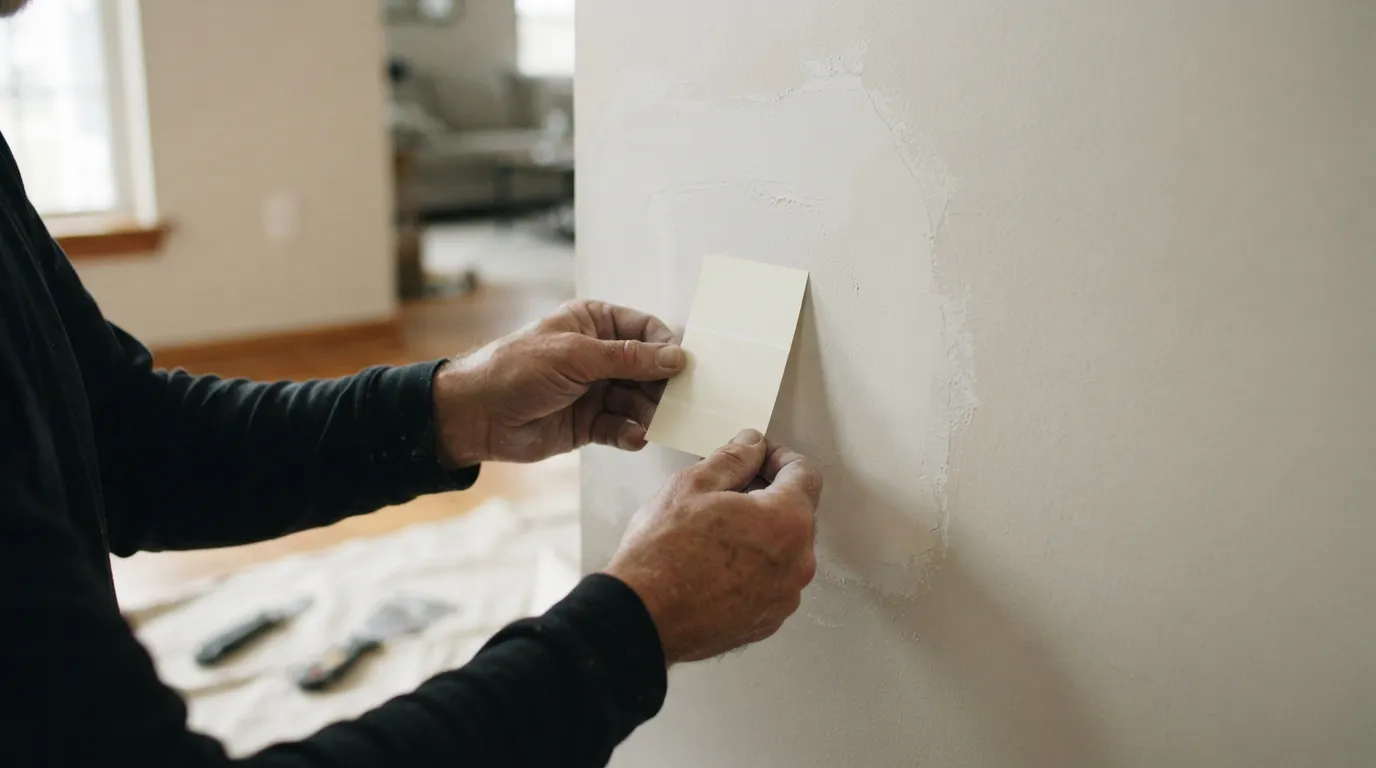
Drywall and plaster patching: Small holes, cracked corners, or uneven seams are typical. A handyman will cut back damaged drywall, tape and mud the joint, sand, and make it ready for paint. Expect work that restores the wall surface rather than replacing entire sections framed into the structure.
Basic plumbing fixes and fixture upgrades: Replacing faucets, changing a toilet seat or handle, swapping a showerhead, and fixing visible leaks under a sink are common. Call a plumber when the leak is behind the wall, when pipes must be rerouted, or when you need new drains or a shower valve replaced that affects tiled surfaces.
Electrical safety and small fixes: A handyman will replace switches and outlets, change fixtures, or move a light within reasonable limits. For anything that involves a new circuit, a main panel change, or permits and inspections, call a licensed electrician.
Flooring work: Repairing a damaged plank, refitting loose boards, installing thresholds, or laying small runs of new flooring are all typical. A full-floor replacement across a large area, or work that requires subfloor leveling and structural changes, is a contractor job.
Fence repairs and curb appeal jobs: Replacing posts, tightening pickets, and fixing gates are standard handyman jobs. If the whole fence line must be removed and rebuilt, or if you need a retaining wall, that moves out of the handyman scope.
When to call: choose a handyman when the task is limited in time and scope, does not require multiple permits, and can be completed with standard trade tools and skills. If you are unsure, ask whether the job will involve opening walls, altering structural elements, or creating new plumbing or electrical runs — those are the red flags that point to a larger remodel.
What happens on the first visit
A helpful first visit is a short inspection that turns uncertainty into a clear scope. Expect a technician to walk the area, identify visible issues, and outline the steps they would take to fix them. That inspection usually covers what needs to be removed, what will be replaced or repaired, and what parts or materials will be required.
Have these things available to speed the process: a short list of the problems you want addressed, any photos you took that show hidden damage, and access to the closets or spaces near the work. The technician will check for signs of hidden problems — water staining behind a cabinet, soft subfloor under a tile, or electrical fittings that are loose — and will note anything that could add time or cost.
A first visit typically produces one of three outcomes: a small on-the-spot repair if the job is quick and parts are on hand; a written estimate for a defined scope; or a recommendation to bring in a specialist if the work goes beyond a handyman’s scope. A written estimate should lay out the scope, the materials to be used, and whether any permits or inspections are likely required. Ask for a clear description of what is excluded so you know the quote is for the work you expect.
Prepare a short list of priorities before the visit. That helps the technician decide what to tackle first and what can wait. If you have preferences for materials or finishes, mention them during the inspection so the quote matches what you want.
How long common repairs and remodels take
Small repairs can be deceptively quick or surprisingly slow, depending on what the inspection reveals. A visible loose tile or a leaky faucet often takes less time than a job that requires drying, curing, or matching materials.
Single-room repairs and small upgrades frequently fit into a day or two when everything goes smoothly: the technician has the right parts, the substrate is sound, and no permit work or inspections are required. Jobs that involve multiple trades, such as replacing bathroom fixtures and re-tiling, are scheduled in stages and can stretch across several days to allow for grout and adhesive to cure.
Factors that lengthen a job include access and sequencing. If the area is crowded with furniture, the technician will need time to move and protect items. If the repair is behind built-ins or requires removal of cabinets, expect extra labor to disassemble and reassemble. Materials that must be special-ordered add delay: specific trim profiles, rare tiles, or an exact paint match can mean waiting for delivery.
Hidden damage is the most common cause of extended schedules. What looks like a clean patch on the surface can reveal water damage, mold, or rot once opened. When that happens the job changes from a cosmetic fix to a repair that restores structure and prevents recurrence; that work requires more time and material and sometimes a different trade.
Permit work and inspections also add time. If a job triggers a permit, the work is scheduled around the authority’s inspection window. That does not mean every project needs a permit, but when it does the calendar grows to include application and inspection steps.
Plan for contingencies. When you schedule a visit, ask whether the quote includes a contingency for hidden work and how additional findings will be approved. Clear communication about how changes are handled avoids surprises and helps you budget time and money.
When a permit is likely required
Permits are not a blanket rule; they apply where work affects public health, safety, or structural integrity. In Montgomery County, simple surface repairs and routine fixture replacements usually do not require permits. However, alterations that change plumbing, electrical circuits, load-bearing walls, or create new living space typically do.
Examples that commonly trigger permits include removing or adding walls that carry structure, modifying electrical systems beyond replacing a light or outlet, and rerouting or adding new plumbing lines. If the work involves enlarging a window opening, changing the building footprint, or installing systems that affect fire safety or egress, a permit and inspections are expected.
Start by describing the exact work during your first visit so the technician can flag permit triggers. If a permit is needed, the technician or contractor will tell you which authority handles the application and whether the permit is for the homeowner or the contractor to pull. If the work will be permitted, the schedule will include application time and an inspection step before final sign-off.
If you are unsure whether a permit applies, check the county building department’s guidance or ask the technician to advise. Planning for a potential permit at the start of a project avoids delays and the cost of undoing work that should have been inspected.
How pricing and quotes are put together
A clear quote separates the pieces of a bill so you can see what you are paying for and why. Typical components are labor, materials, travel or mobilization, and any permit and inspection fees. Labor covers the time technicians spend on the job and is influenced by the skill required and the time the work takes. Materials include everything that will be installed or consumed during the repair: fasteners, sealants, replacement parts and finishes.
Ask which type the technician is offering and what happens if the job uncovers extra work. A responsible quote will say how change orders are handled, who authorizes them, and how they are priced.
Travel or mobilization is the practical cost of getting to your home with tools and parts. For jobs that require special parts, there may be a charge for ordering and delivering those items. Permit fees are set by the authority having jurisdiction and are usually passed through to the homeowner when required.
When comparing quotes, make sure you are comparing like with like. A lower initial price can hide exclusions, such as surface preparation, disposal of debris, or matching finishes. Ask for a written scope that defines what will be done and what is not included. That way you can compare the labor and material breakdowns rather than just a single final number.
If you are planning a small remodel, budget for the unexpected. Even a well-scoped kitchen or bath project can reveal hidden conditions that add to the labor, such as rot behind finishes or outdated plumbing that must be replaced for code reasons. Discuss contingencies during the estimate so you know how decisions will be handled if they arise.
Where we work and what to expect on arrival
We cover Potomac and nearby parts of Montgomery County and Prince George’s County. When you book a visit, expect an arrival window rather than an exact minute. The technician will usually call or text on the way and will come prepared with basic tools and an eye for what the job will need.
On arrival, the technician will ask you to walk the work area and point out priorities. They will protect floors and furniture as needed and explain which parts of the job they can complete immediately and which will need a follow-up. If your street or parking limits access, tell the scheduler so we bring the right gear and avoid delays.
If you want to check whether we serve a particular address, see the full service area for details or ask when you call to book. The first visit sets the tone for the job: clear scope, a visible list of tasks, and a simple plan for materials and timing.

A checklist to prepare before a visit
A little preparation shortens the visit and keeps costs down. Use this checklist before your estimate or repair visit so the technician can focus on the work.
- Clear a path to the work area and move fragile items out of the way.
- Take and share photos of the problem if access is limited or the damage is behind cabinets.
- Note any known issues behind surfaces, such as prior leaks or previous repairs.
- Have a list of priorities so the technician knows what must be handled first.
- Decide on basic finish preferences (paint sheen, trim profile, fixture finish) where choices affect the quote.
When you are ready to proceed, contact us to request a quote or book a visit. A short, prepared visit leads to a better estimate and a smoother repair.
Frequently asked questions
What does a handyman usually charge per hour?
Rates vary widely and depend on labor, skill level and the local market; a handyman quote will break labor out from materials and travel so you can see how time factors into the bill. Ask for a clear written estimate that shows whether you are getting an hourly rate or a fixed price for the scope.
Do I need a permit for a bathroom or kitchen change in Montgomery County?
Permits are needed when the work alters plumbing, electrical circuits, structural elements or changes the building footprint; cosmetic updates and simple fixture swaps generally do not require a permit. Describe the exact changes during the first visit so the inspector or technician can advise whether you will need to apply for one.
How long will a small repair take from first visit to completion?
A straightforward repair that needs no special parts or permits can be done within a day or two, while projects that reveal hidden damage or require special ordering, drying time or inspections will extend the schedule. Ask the estimator about likely contingencies so you know how additional findings will affect timing.
What is the best way to find a good handyman?
Look for someone who gives a clear written scope, separates labor and materials on the quote, and explains permit triggers and potential contingencies; ask for references or examples of similar work. Prepare photos and a short list of priorities before the visit so the candidate can give you a realistic estimate.
