


What a small handyman Silver Spring visit actually involves
When you book a small handyman in Silver Spring you are hiring someone to solve a visible problem quickly and to leave the worksite tidy. We turn up to repair, replace or update parts of your home that do not need full trade contracts: patching drywall, fitting hardware, replacing a faucet cartridge, hanging cabinets, fixing a fence panel, or carrying out compact kitchen and bathroom updates. The first visit is about three things: confirm what needs doing, check access and any hidden issues, and agree the next step — a fixed quote or a scoped repair.
A clear look at the task is what decides the time and the price. Hidden water damage, difficult access, or older finishes that need careful matching all slow the job. Say where the property is and what rooms are involved when you call, because travel and parking in different Silver Spring neighbourhoods affect scheduling. Have photos ready and a list of priorities so the visit can focus on the decision, not on guessing the scope.
Where we cover and how to tell if we’ll come
We work across Silver Spring and around Montgomery County, and we can discuss jobs in nearby Prince George’s County when you call. For a quick answer tell us the neighbourhood and the street-level access: tight alleys, permit-only parking, and gated property change how long it takes to unload tools and start work. If a site has shared hallways or condo association rules, note those in your first message so we can confirm whether the visit needs pre-arranged access.
If you manage several properties or are a landlord, say so up front. Repeat maintenance and turnover work is planned differently to a one-off repair. We will talk about batching similar tasks at the same address so you spend less time coordinating visits, and we will flag when a larger contractor or permit is the right next step.
Typical jobs we handle and who they’re for
Homeowners call us for small, defined jobs that do not need a full remodel team. Landlords and property managers call for quick turnarounds between tenants and for routine repairs that keep units rentable. Common examples you can use to decide if this is the right fit:
- Drywall and plaster patching: holes from doorknobs, scuffs, and small water stains that need a tidy finish and paint prep.
- Painting touch-ups and trims: cutting in around windows, repairing trim, and matching finishes so a room looks complete again.
- Basic plumbing fixes and fixture upgrades: replacing a leaky cartridge, swapping a faucet, or tightening loose fixtures where the supply and drain are sound.
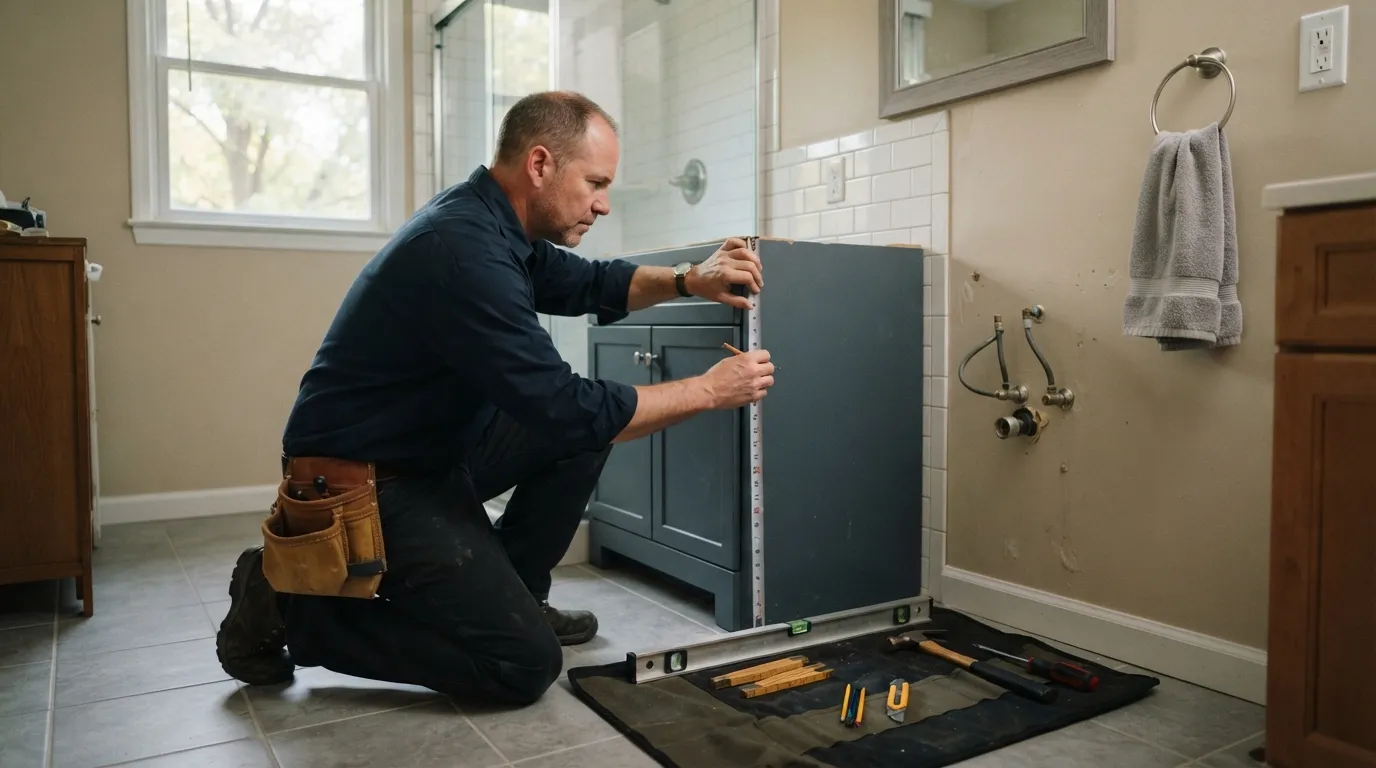
- Small kitchen and bathroom updates: replacing cabinets or countertops, installing a new vanity, or updating tile in a limited area where layout changes are not required.
You should not call a small handyman when the job needs major structural change, whole-roof work, complex HVAC work, or specialist trades that require large permits. Describe the outcome you want rather than the method — for example, say “replace the vanity and refinish the wall where the mirror was,” and we will explain whether the work is a simple swap or part of a larger scope.
How estimates and pricing are presented
A clear estimate explains the parts that actually make a bill: labour, materials, any necessary permits, and travel or access costs. When we prepare a written quote you should expect to see what is included and what is excluded: the tasks we will carry out, the materials we will supply, and whether paint, special fasteners or trim are part of the price or will be charged separately.
Labour is where most of the variation appears. A straightforward swap that needs one trade and good access is billed differently from a job that needs scaffolding, several trades, or demolition and waste removal. Before you hire, ask these questions about the quote you receive:
- Does the quote list labour and materials separately? That shows you what to shop for or to supply if you prefer.
- Are travel or parking charges included for your neighbourhood? Some areas need time to load and unload tools which will affect the final bill.
- Who buys the materials and how are surplus items handled? Decide whether you want the contractor to buy everything or to approve material purchases first.
- What happens if the on-site inspection finds hidden damage? Ask whether the quote covers reasonable variations, and how change orders will be handled in writing.
A written estimate should include an itemised scope so you can compare quotes from others on the same terms. If a price is given as a lump sum, make sure the scope beneath it is specific: list the surfaces to be painted, the model numbers for fixtures, or the area of tile to be replaced. That prevents mismatch at handoff.
When someone offers an hourly rate instead of a fixed price, get an estimate of typical times for the task and a maximum you will accept before asking for another authorisation. For recurring work — for example, a landlord preparing several units — ask for a sample job priced both ways so you can see whether a fixed quote or hourly billing will save you time and money.

Which small projects need a Montgomery County permit and who pulls it
Permitting rules vary by work and by how much of the property is changing. In Montgomery County, cosmetic work that leaves structural elements, plumbing stacks, and electrical systems unchanged often does not need a permit, while any change that alters plumbing, electrical circuits, or load-bearing walls commonly does. Before you assume a job is permit-free, ask whether the work changes the plan, routing, or capacity of systems.
We will tell you when a permit is likely to be required and which trades must be named on the application. For projects that do need paperwork, the contractor who carries out the work typically applies for the permit on your behalf because the application needs a trade’s license and a scope that matches the planned work. When a permit is involved you should expect the quote to state who will apply, who will schedule inspections, and whether inspection times are included in the completion timeline.
If the property is a rental, check whether your lease or local landlord rules require additional approvals beyond the county permit. Condo and homeowner association rules can add another layer of permission even when the county does not require a permit.
When you get a permit, keep a copy of the application and the inspection sign-offs with your records. They are important when you sell or when a future remodeler needs to know what has been changed legally and safely.
What a typical job day looks like on site
Expect arrival windows rather than an exact minute. We aim to give a two- or three-hour arrival window and to tell you if travel or site conditions push the schedule. On arrival we do a short walkthrough, confirm the scope, and set short milestones for the day: what we will finish and what must wait for another visit.
We work with three priorities for every day on site: safety, containment, and cleanliness. That means protecting floors and furniture, using dust control for sanding and cutting, and setting out a clear spot for tools so they do not block exits. If you have small children or pets, mention that when you book so we can plan safe containment and a handover that minimises disruption.
Single-day tasks commonly include replacing a vanity, fitting a new door, hanging cabinets, or patching and painting a single room. These jobs are scheduled so you can plan around them: we will identify what must be cleared beforehand and what we will remove and leave for you. For larger projects that span multiple days we arrange mid-point walk-throughs so you see progress and can raise questions early rather than at the end.
At handoff we run through the completed work with you, identify any touch-ups that remain, and confirm how we will deal with loose ends. Photographing the finished work and leaving an itemised receipt helps both sides close the job cleanly and prevents later misunderstandings.
Planning small kitchen and bathroom updates that work in older homes
Older homes in Silver Spring often have quirks: uneven floors, framed-in plumbing, and finishes that are no longer made. Start planning by deciding what must be replaced and what only needs an aesthetic update. If you want the layout unchanged, a refresh that replaces visible surfaces and fixtures is faster and usually needs fewer permits. When the layout changes, or when new appliances or fixtures need larger supply or waste lines, the project becomes a small remodel rather than a handyman refresh.
Choose materials that suit the house and tolerate modest movement. In older houses painted trim expands and contracts; choose finishes and adhesives designed for minor movement, and ask whether a proposed cabinet or countertop will be shimmed to fit an uneven surface. Where tile is involved, smaller tiles and flexible grout are easier to match and repair on walls and floors that are not perfectly flat.
Sequence the work to avoid repeated trades and to reduce dust. A sensible order for a compact bathroom update is demolition and plumbing rough-in, inspection if needed, wall repairs, tile and floor work, cabinet and vanity installation, final plumbing hook-up, and then painting and trim. For a small kitchen the order commonly begins with removing appliances and cabinets, then any wall or plumbing adjustments, followed by cabinet installation, countertop fitting, appliance reinstallation, and finishing work. Staging materials and confirming delivery windows before work starts save days of delay.
If you want a look that lasts, pick materials with simple long-term upkeep. For example, choose finishes that tolerate moist environments in bathrooms and choose countertops that stand up to day-to-day cooking. Ask the contractor for recommended products that are commonly available locally so replacements or repairs later are straightforward.
Seasonal maintenance and a checklist for older Silver Spring homes
Older homes need attention on a schedule to avoid small problems becoming larger ones. Think of seasonal upkeep as targeted checks rather than a long to-do list. Make a short list you can do each season and keep records of each visit so repeated problems are visible.
A basic seasonal checklist should include checking for small roof or flashing leaks after heavy weather, testing plumbing for slow drains and soft spots that indicate leaks, inspecting exterior woodwork for paint failure and rot, and ensuring that dryer vents and exhausts terminate correctly and are clear. Pay attention to door and window operation: humidity and settling make doors stick or not latch, and early adjustment avoids damage to frames and finishes.
For rental properties, inspect between tenancies for water stains, loose handrails, and faulty smoke or CO alarms so repairs are handled before the next occupant moves in. Keep a note of common repeating items so you can ask whether a different material or detail would stop the same repair from returning.
How to book, arrival windows, and what to expect after the visit
When you contact a local handyman, be ready to describe the problem, the room or area, and any access issues. Photos saved on your phone speed up the initial call and often mean a visit is quicker because the tradesperson already knows the likely scope. We confirm an arrival window and explain whether we will provide a written estimate at the visit or follow up with one.
If a permit or specialist trade is needed we will tell you and explain who will apply for the permit and how inspections will fit into the schedule. Make sure you ask for the expected next steps in writing so you have a clear timeline. After the job we leave an itemised receipt and a short note describing the work completed and any maintenance you should consider in the months ahead.
Frequently asked questions
What does a handyman usually charge per hour?
A written hourly rate is only one part of a quote; the final price depends on how long the job takes, the number of trades involved, and access or travel time. Ask for a typical time estimate for the specific task and whether there is a stated maximum before additional authorisation is required.
How do I find a handyman for small jobs in Silver Spring?
Start by describing the problem and the room, and send photos when you can; that lets a pro confirm whether the task is a single-visit repair or part of a larger project. Ask for a written scope and whether the visit will produce a fixed quote or an hourly estimate so you can compare offers on the same terms.
Will you pull a Montgomery County permit for my project?
If the planned work changes plumbing, electrical circuits, or structural elements, a county permit is commonly required and the contractor who will do the work normally applies for it. Confirm in writing who will submit the application, who schedules inspections, and whether inspection time is included in the project timeline.
What is the most requested handyman service?
Frequent calls include drywall and plaster patching, small plumbing fixes, trim and door adjustments, and painting touch-ups—jobs that restore function or appearance without full-scale renovation. Describe the desired outcome rather than the method so the right scope and price can be set.
Do you work with landlords and property managers?
Yes, repeat maintenance and turnover work for landlords is scheduled differently to single repairs and often benefits from batching similar tasks at the same address. Tell the scheduler you manage multiple properties so visit planning and quotes can be tailored to reduce coordination time.
