

Why local handyman help matters
If you are weighing handyman repair services for a house project, start by thinking about the kinds of people who call us. Homeowners with a backlog of small repairs, landlords turning over a unit, and property managers with a steady list of upkeep tasks all reach for the same solution: a single team that can handle many trades without scheduling five different crews. That matters because it keeps communication simple and shortens the time between diagnosis and the first repair.
A local team knows the housing stock nearby. That matters when your home has older plumbing, plaster walls, or trim details a generic checklist misses. Local knowledge also helps with timing. You get someone who understands typical building features in the area and what steps usually follow when a small problem is opened up for repair. When you read the rest of this page, you will get a practical picture of what we do and how to decide the next step.
Exactly what we’ll fix — common repairs and small remodels
You can identify a job quickly if you know the kinds of work a handyman handles. The easiest way to spot it is whether the task is a contained job a single crew can complete without bringing in a full remodeling trade. Typical examples are interior repairs, fixture upgrades, small cabinetry and door work, and spot flooring repairs.
We often see these requests:
- Door, cabinet and hardware adjustments and repairs.
- Drywall and plaster patching, sanding and finishing.
- Painting touch-ups, trims and small room repaints.
- Installing or replacing fixtures such as faucets, towel bars, and light fixtures where wiring or plumbing work is minor.
- Small flooring repairs and transitions, plus replacing a few damaged boards or tiles.
There are jobs that look like handyman work but need more specialisation. Anything that requires changing main electrical circuits, major plumbing reconfiguration, full kitchen cabinetry replacements, structural changes to walls, or large roofing works is outside the scope a single handyman visit will usually cover. You will still call a handyman for the prep work around those projects, such as patching, demo, or fitting temporary items while larger trades do the main work.
When a repair is straightforward, it will usually be resolved in a single visit. When it is part of a small remodel — a modest bathroom layout change, modest kitchen cabinet repair, or a sequence of flooring and trim updates — it may be split into a few visits. The difference depends on how much demolition, follow-on trades, and drying time the job creates. If you want to know whether your job is a single visit, describe the task clearly and mention if it touches wiring, main drain lines, or load-bearing structure.
How we price jobs and what a written quote includes
Pricing comes from the pieces that go into doing the work. Start by deciding whether you want an hourly approach or a fixed, written quote. An hourly job makes sense for small, open-ended repairs where the time is uncertain. A flat, written quote is better for defined work where everyone can agree on the finish, the size of the patch, or the cabinets to be repaired.
A clear written quote shows the reader the same breakdown we use to build a price. At minimum it should list the scope of work, the materials included, and the labour basis. If a quote offers a fixed price, the scope must be specific enough that you and the crew agree on what a complete job looks like. If it is hourly, the quote should say whether travel or a call-out fee is included and how time is recorded.
Materials affect the bill more than people expect. Small jobs can become longer when the crew must source a hard-to-find hinge, a matching trim profile, or a special tile. Ask the estimator whether the quote includes materials, whether you can supply specific fixtures, and how surplus or defective parts are treated. A written quote should state who buys materials and how differences are settled if the final work needs more supplies than first estimated.
Labour is not only the hours on site. It includes preparation, cleanup, and follow-up when a second visit is needed. When quoting, tell the estimator if the work requires removal of existing finishes, if access is tight, or if furniture must be moved. Those conditions change how long a job takes and whether extra hands are needed.
A good quote also notes known exclusions. That list helps you compare offers. Exclusions are the things a quote will not cover without a separate price. Examples include major plumbing reroutes, full electrical panel changes, or work that will require structural permits. If a job might trigger a permit, the written quote should say who will handle that step and whether the permit cost is included or billed separately.
Ask for a simple acceptance method, such as a signature line or a short reply confirming the scope and date. That makes sure everyone agrees on what arrives on the day of the visit. Keep the quote; it is the shared reference if questions come up after the work is done.
When you actually need a Montgomery County permit
Permits are a frequent worry because they change the timeline and sometimes the price. The simplest rule is that cosmetic work that does not change the structure, the primary electrical service, or main plumbing lines is less likely to need one. Tasks such as painting, small patching, replacing a faucet with an identical model, or joining trim typically do not trigger a building permit. When work changes the venting, the main drain layout, or the location of gas lines, a permit is often required.
Because local rules can be specific, the practical step is to treat uncertain jobs as if they might need a permit. Tell the estimator what you want done and ask whether a permit is likely. If a permit is required, ask who will apply for it, and how the process affects the schedule. A professional will know when an inspector will need access and how many inspections are typically needed for a simple electrical or plumbing change.
You will also want to know whether any changes to a historic or older house require extra approvals. Older homes sometimes have conservation overlays or local restrictions. If you live in a property with special design controls, mention that when you describe the project. The estimator can then note whether the work will touch anything that needs a historic review or additional paperwork.
If you are managing a turnover for a rental, plan more lead time whenever permits may be involved. Permit timing and the need for inspections are the main reasons a small repair turns into a multi-step schedule. If the job is minor and you prefer to avoid permit questions, ask for options that keep changes cosmetic where possible. Sometimes a different fixture or an alternate routing prevents a permit being required.
What to expect on the day we arrive
On arrival, you will meet the person who will do the work. That direct contact keeps communication short and practical. The first few minutes are usually a walk-through where the crew confirms the scope, checks access to power and water, and notes anything that could change the plan. If you have pets, clear guidance on where they should be helps everyone move safely.
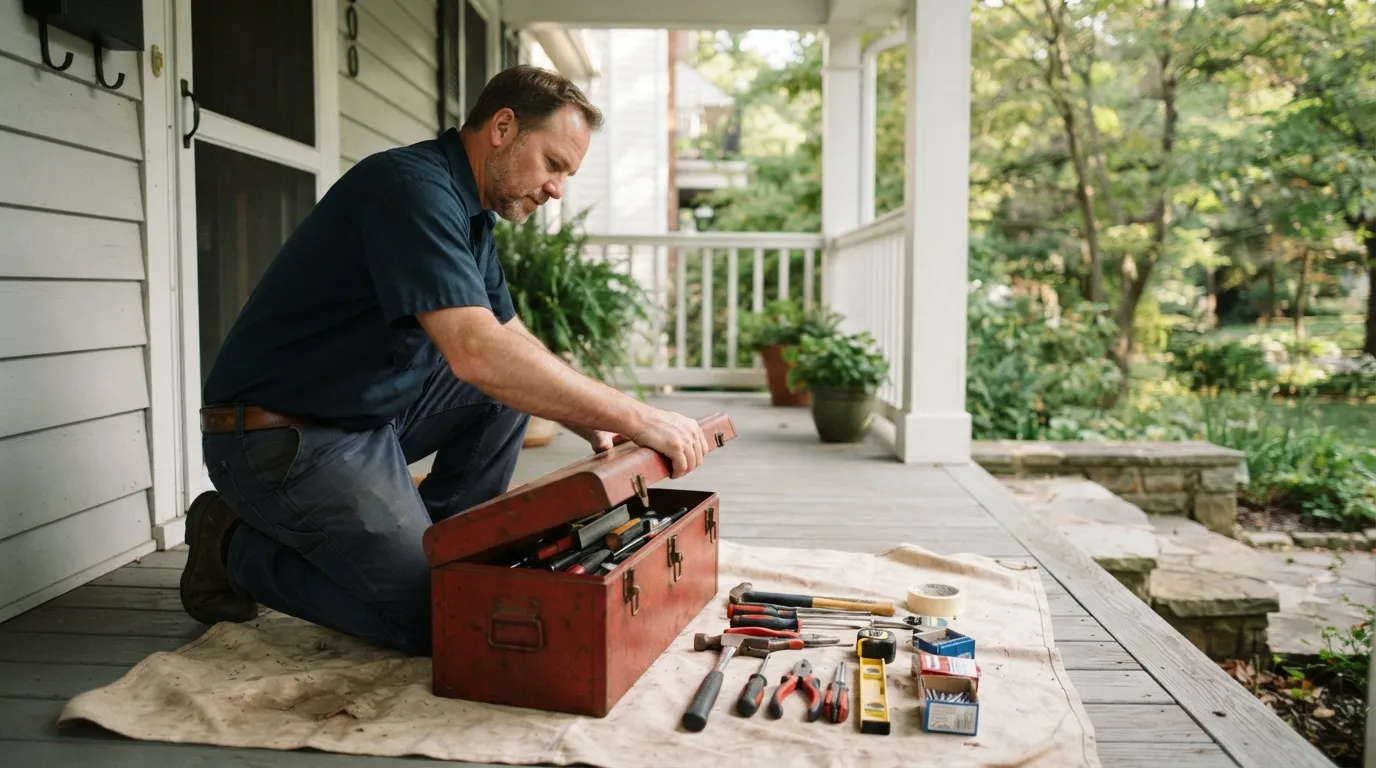
When we work, we bring a selection of common parts and tools for the tasks at hand. That includes basic hand and power tools, patching supplies, replacement hardware, and materials for temporary fixes. For jobs that need special parts, we will often make a return visit after ordering the exact items. You will be told if a job needs more than the first visit so you can approve a follow-up or alternate solution.
A typical single-visit repair is planned as a focused block of time. We aim to begin with protection of floors and furniture where needed. That may be a drop cloth, low-tack tape, or felt pads under ladders. The crew clears the immediate work area and works to leave the space tidy at the end of the visit. Expect the crew to explain any leftover items that should be monitored, such as small settlement cracks or paint drying that may need touch-ups.
If a job runs into something unexpected, such as hidden water damage or corroded fasteners, the crew will stop and explain the new options. That explanation should include the effect on the schedule and whether an additional visit is needed. If you want the crew to proceed immediately within an agreed budget, say so. If you prefer a written change order, request one and take time to consider it.
Realistic timelines for common jobs
Scheduling depends on how much work and follow-up a job requires. There are three practical categories you can use when planning: single-visit fixes, short sequence projects, and multi-step remodel prep.
Single-visit fixes cover things like a stuck interior door, a small drywall patch, or replacing a leaky fixture where the supply lines do not need rerouting. These jobs are scheduled into a single block and often completed the same day they start. Short sequence projects include repainting a room with repairs, replacing several cabinet doors, or a short section of flooring replacement. Those jobs can require drying time for patching compounds or finishes and may be split into two visits: prep and finish.
Multi-step remodel prep is the scheduling pattern you see when a handyman prepares a space for a larger trade. Examples include removing old finishes, making non-structural openings, patching demo edges, and completing the trim work after a trade has finished. Remodel prep is an essential service because it keeps the main trades moving and prevents delays caused by unfinished edges and surfaces.
Lead times also depend on peak seasons and how busy the calendar is. If a job requires custom parts or ordered fixtures, add the supplier lead time to your schedule before a start date is chosen. When a permit is required, the inspection schedule will also extend the timeline. The most reliable planning step is to get a written schedule with the quote so you know which days are assigned to preparation, execution, and finishing touches.
What “licensed and insured” actually means for you
When you hear the phrase licensed and insured, ask what each word covers. Licensing is a local or state process that allows someone to work in regulated trades. It shows that the worker has met the training or testing requirements that apply in their area. Insurance is what protects you if something goes wrong on the job. General liability covers accidental damage to your property during the work. Workers’ compensation covers injuries to workers while they are on your property.
Ask to see written proof of coverage before work starts. A certificate of insurance is the usual document. If you are concerned about contractor responsibility for permits or inspections, ask who will be listed as the permit holder and whether the permit will be pulled in the contractor’s name. Knowing this before the first visit clarifies responsibility for dealing with inspectors and covering any rework inspectors require.
Bonding is another term you may hear. A bond can protect you against incomplete work under certain conditions. If a bond is relevant, ask how it would be used in your situation and whether it is active for the project you are hiring for. Keep copies of any paperwork the crew provides. Those documents are the proof you will need if a question about coverage arises later.
How to prepare and the next steps
Prepare a simple area for the crew to work in. Clear furniture from the immediate space where possible and make sure access paths are free. If an appliance or fixture needs to be off, have it empty and ready. If you have pets, arrange a separate area for them during the visit. Gather any model numbers, serials or prior invoices for the items involved. That information helps the estimator match parts and avoids ordering the wrong item.
When you are ready for a quote, start with photos and a short description. The most useful photos show the whole wall or fixture from a few angles and a close-up of the exact problem. The next step is an on-site visit if the job is unclear. Ask for a written quote that lists scope, materials, and the expected schedule. If the job may require a permit, request that information in writing.
Before you book, check the practical things that matter to you. Decide whether you prefer an hourly approach or a fixed quote. Ask how the crew will protect floors and how they handle cleanup. Choose a date that gives you time for any permit or supplier lead times. When you are ready, get the appointment confirmed and keep the quote handy on the day.
For further reading on specific projects such as kitchen work or the full list of typical tasks, see what the job involves and planning a kitchen renovation sections linked below. When you are ready, ask the key questions to make sure the person you hire matches the job.

Frequently asked questions
What does a handyman usually charge per hour?
Hourly rates vary by region and the task, but a commonly cited local average is $50 per hour. Use an hourly quote for open-ended repairs and ask the crew how they record and bill time.
What are some red flags when hiring a handyman?
A red flag is a refusal to provide a written quote or a clear scope. Also be wary of someone who cannot show insurance documentation or who refuses to explain whether a permit will be needed for the work.
What is the most requested handyman service?
Typical requests include door and cabinet repairs, drywall patching, painting touch-ups, small fixture replacements, and short sections of flooring repair. These tasks are often suitable for a single crew and a single visit.
What does a handyman repair?
A handyman repairs small, contained problems across carpentry, basic plumbing fixtures, minor electrical fixture swaps, drywall and paint, and small flooring issues. Anything that requires major rework of primary systems or structural changes is likely to need a specialist or permit.
