


What actually moves the price for a small bathroom remodel
If you are planning a small bathroom remodel silver spring, start by asking what the quote is actually buying. The biggest cost driver is what you change inside the walls. Moving plumbing, removing and rebuilding a tub or shower, or shifting a toilet or sink all add time, trade labor and a need for inspections. If the subfloor or the wall studs are rotten or wet, the repair to make the space sound comes before any finish work and that repair is priced to match the extra work and materials required.
Fixtures and finishes are the next most visible cost choices. A basic replacement shower with standard tile and a simple faucet is one order of work. A tiled shower with special waterproofing, a bench and niche is another. The same applies to vanities, cabinets, lighting and flooring. Higher grade finishes last longer and often simplify upkeep, but they add to the bill.
Access and site conditions change how a crew works. Tight staircases, parking restrictions, and homes with little room to stage materials slow the work and increase labor. If your bathroom sits over an occupied living space, crews will isolate dust and noise more carefully. That isolation is an extra step on the quote.
There are trade items nearly every remodel touches and those are often included in a standard quote. Nearly always included are demolition of existing finishes and disposal of debris. You can expect framing and carpentry for simple repairs, plus basic plumbing and electrical connections for new fixtures. Substrate preparation for tile and installation of the chosen finishes and fixtures are also included. For you, nearly always extra are upgrades that require specialist trades or extra materials. Examples include structural changes, major plumbing reroutes, custom cabinetry, designer tile, or luxury fixtures.
Two honest quotes for the same space can differ. You may see one contractor price conservatively for unknowns and include contingency in the line items. You may see another assume a very clean demo and bid the visible scope only. One crew may budget time to repair an unexpected rotten subfloor while another leaves that cost as a change order to be decided after demo. A thorough quote spells out what is included, what is assumed, and how unknowns will be handled. Ask for line items that show whether demolition, repairs, waterproofing, and final cleanup are part of the base price. Also ask whether these items will be extras you will be asked to approve later.
To get a local cost estimate you can discuss, collect photos of the existing bathroom. Note which fixtures you want to replace or move. Also list the finishes you like. That lets a contractor explain which line items are likely and which common extras you should budget for. If your home has older plumbing or evidence of leaks, mention that up front so the quote can flag possible subfloor or pipe work.
What a modest fixed budget can buy in a small bathroom
A modest, fixed budget forces trade offs and clear choices. On a constrained budget you choose where to spend. Split the job into what changes the room the most and what only changes its look. The largest ways to increase livability in a small bathroom are fixture layout, waterproofing and durable finishes. Reusing the existing drain and water connections while replacing the visible fixtures saves money compared with moving pipes. If you replace a worn tub with a new tub or a prefabricated shower enclosure, you keep costs down. A fully tiled shower needs extra waterproofing and labor and costs more.
Think of the work in two buckets. The first is necessary building work: removing old finishes, repairing any bad substrate, updating connections for new fixtures, and ensuring proper waterproofing in wet areas. The second is the finish package: tile, paint, vanity, mirror, lighting, towel bars and accessories. You influence the final look most with finishes, but the structure and plumbing determine how much work is needed before you get there.
Common compromises are these. Keep the existing layout to avoid plumbing relocations. Pick standard sized vanity and shower units that fit the opening rather than custom pieces. Choose modest tile or sheet waterproofing materials that are durable without a designer price. Opt for a solid, simple vanity and a good quality faucet rather than a bespoke cabinet.
For a restrained spend, you can expect demolition and any needed substrate repairs. It includes reliable waterproofing for the shower or tub and an off the shelf vanity with a durable top. Also expect mid grade tile or a bathroom-rated vinyl floor and basic lighting and ventilation. It will not include large layout changes, elaborate tile designs, or custom millwork. If your goal is to make the space look bigger, invest in bright, consistent finishes and a clear glass shower door. Place lighting to reduce shadowing. These choices give a bigger perceived upgrade for less cost than high end fixtures.
If you want an example scope to discuss with a contractor, bring a short list of must haves. Also bring a list of nice to haves and the finishes you already like. That helps a contractor show which compromises preserve the key goals and which changes will require extra time or specialist trades.
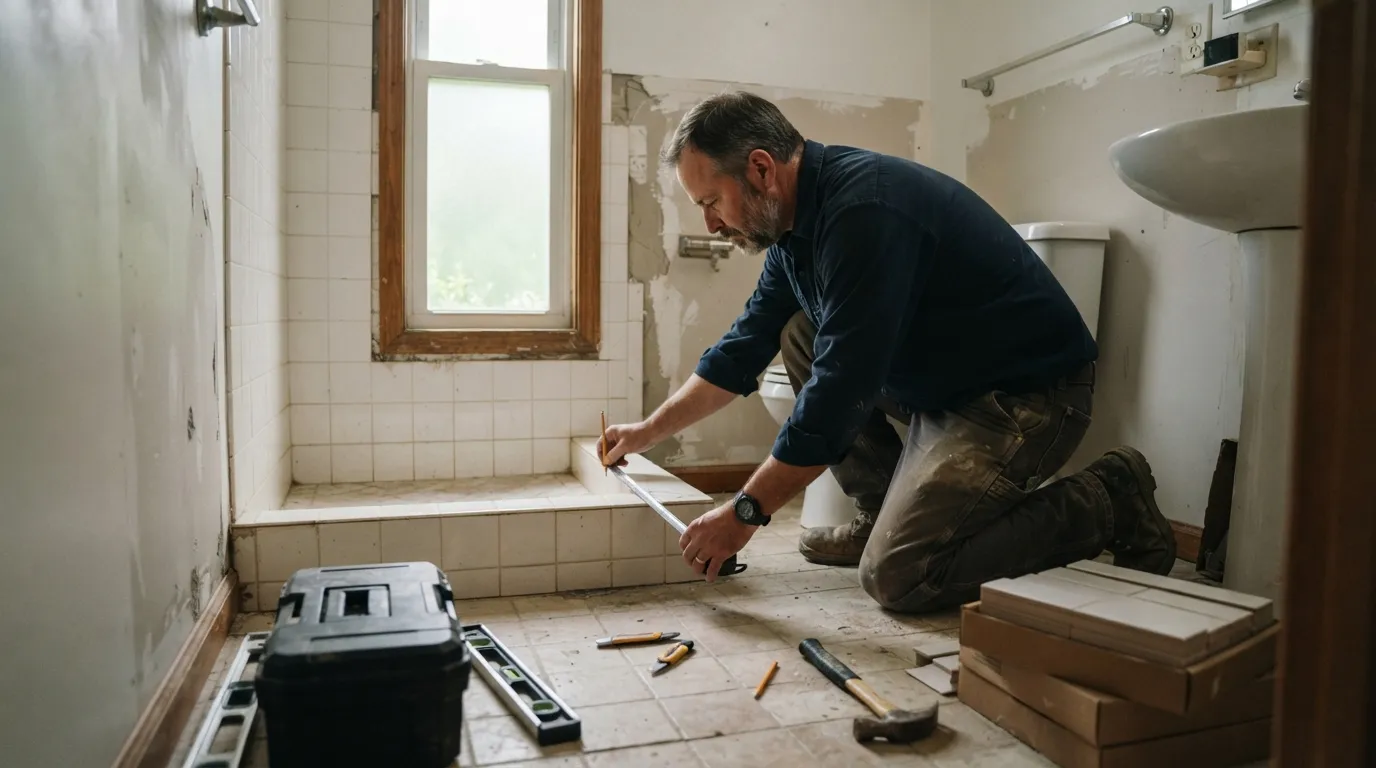
How long the project will take and the stage by stage timeline
A small bathroom remodel is a collection of discrete stages, and each stage has a predictable homeowner impact. Plan around the stages rather than a single total duration. What you do in each stage affects how you live at home while the work is underway.
The work begins with preparation. That is when choices are confirmed, materials are ordered, and the work area is protected. Expect a short burst of activity while the crew prepares to keep dust and noise contained and to protect nearby rooms and floors.
Demolition follows. In demo the old finishes come out, fixtures are removed, and the crew looks for hidden damage. For you the demo is the noisiest part and the moment when unknowns usually reveal themselves. If the crew finds soft subfloor, old rotten framing, or a history of leaks this is when they will point it out and propose repairs. Expect some days of dust and vibration, and plan to keep showering elsewhere while the space is opened.
Next come the rough trades. Plumbers reroute water and waste, and electricians update wiring for lights, fans and outlets. Carpentry repairs or framing changes happen at this stage too. If you are moving a fixture or changing the footprint the rough work is where the biggest invisible changes happen. After rough trades the work is inspected where that is required, and the inspector ensures code items are in place before finishes go on.
Once inspections pass the crew installs the substrates and waterproofing. For tiled showers this is the step where a full waterproof assembly is built and checked. After that come finishes: tile, flooring, fixtures, vanity, lighting, and painting. Finishes are visible and exciting because the space starts to look like a bathroom again.
The final stage is commissioning and cleanup. Fixtures are connected, water is turned back on, the crew runs fixtures to check for leaks, and finishes are touched up. The room is cleaned and left ready to use. If an inspector is required for final sign off that happens after the work is complete.
How long you will be without a working bathroom depends on which stages you need and how many unknown repairs appear during demo. If the remodel keeps the layout and the subfloor is sound the downtime is mostly demo, rough trades and finishes. If repairs or layout changes are needed the downtime extends while those underlying works happen and pass inspection. Talk with any contractor about the stage plan. You should ask them to explain which stages will render the bathroom unusable and for how long. Use that information to plan alternative showering and morning routines.
Design and material choices that save space and money
In a small bathroom the layout decisions matter more than the highest end finish. You can gain space and make a bathroom feel larger by focusing on three things: efficient fixture choices, visual simplicity, and durable wet area details.
Use fixtures sized to the room. A compact vanity, a pedestal sink, or a wall mounted sink frees floor area. A corner shower or a curbless entry keeps circulation clear. If you must keep a full tub consider a tub and shower combo that uses a straight run of plumbing to avoid moving drains.
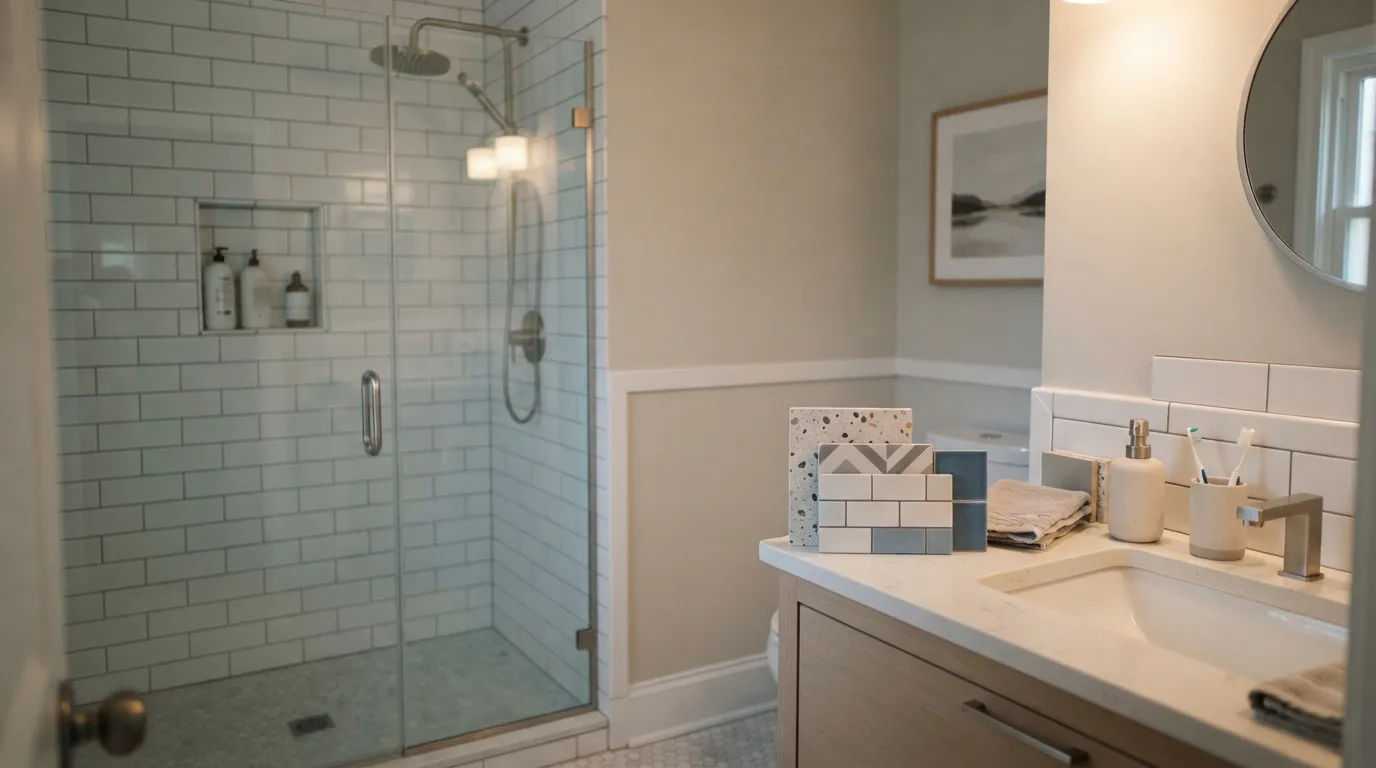
Visual simplicity increases perceived space. Large format tiles on the floor reduce busy grout lines and make the floor read as a single plane. A single toned wall tile with a narrow accent band keeps the eye moving and avoids a cramped feeling. Clear glass for a shower door removes a visual barrier. Bright, layered lighting reduces shadows and makes the room feel larger.
Durable wet area details save money over time. Proper waterproofing and a good substrate stop leaks that lead to costly subfloor repairs later. Choose flooring rated for bathrooms and a shower enclosure system designed to shed water. Matte finishes hide wear, and modestly priced materials that are easy to clean reduce the lifetime cost of upkeep. In many cases, mid grade tile or a luxury vinyl floor paired with quality waterproofing is the best choice. This gives you a balance between upfront cost and long term durability.
Storage choices are also an efficiency tool. Recessed medicine cabinets and shelves built into a shower niche give you storage without bulk. A shallow tall cabinet or open shelving also adds storage without making the room feel boxed in. Open shelves work when you keep linens folded and accessories minimal. A mirrored surface over the sink adds reflected light and the perception of depth.
If you are planning a master bathroom in Silver Spring you often have more flexibility to relocate walls or to expand a shower. If that is on the table, look for opportunities to gain natural light. Try to push plumbing onto the same wall runs to limit pipe work. Moving a single wall can dramatically change usability, but it also adds carpentry, drywall and often permit work. When considering a layout change, ask contractors to show the trade timetable and how they will protect adjacent spaces while they work.
Permits, inspections and what to expect in Montgomery County
Permits matter because they tie work to local code and to required inspections. For work that changes plumbing, electrical, or structural elements you should expect permits and inspections. Permits confirm that key safety and waterproofing items meet the local code and that the work has an inspector looking at rough and final stages.
Who pulls the permit can vary. Sometimes a contractor pulls the permit. Sometimes a homeowner pulls it. The important part is that the permit is in place before the trade work that requires inspection begins. Open permits or work done without inspection can complicate future sales or insurance claims, so confirm how permits will be handled before work starts.
Permits do add time and cost. Be aware that inspections add a scheduling step because they happen on the inspector’s timetable. They may require small corrective work if something is not installed to the inspector’s requirements. When you get a quote, ask whether inspections are included in the schedule and whether the contractor will arrange them.
If your remodel includes only cosmetic finishes and does not change plumbing or wiring locations, you may not need the same level of permitting. If you plan to change plumbing runs, add new circuits, move walls, or alter load bearing elements, assume permits and inspections apply. Plan the schedule around those permits and inspections.
How to choose a local contractor and read reviews
Start by compiling a short list of contractors who do small bathroom work in your area. Look for reviews that describe projects similar to yours and portfolios that show finished small bathrooms with the kinds of fixtures and finishes you prefer. When you read reviews, note whether the reviewer describes communication, how unexpected problems were handled, and whether the final cleanup met expectations. These details matter as much as star ratings.
Ask each contractor the same set of questions so you can compare answers. Key questions you should ask include what the quote includes and excludes. Ask how they handle unknown repairs revealed in demo and how they schedule inspections. Also ask who will supervise the work on site. Ask for references you can contact and for photographs of finished jobs. A clear answer about how they will isolate dust and protect floors tells you how they will treat the rest of your home.
Use a short checklist when you compare written quotes:
- Does the quote list demolition, disposal and cleanup?
- Does it describe how unknowns or repairs will be handled?
- Are plumbing, electrical and inspection costs shown or called out?
- What is the expected timetable for each stage of the work?
- Who is the onsite contact and who coordinates inspections?
When you look at online review sites, read recent reviews first and seek patterns. A single negative review happens, but repeated mentions of the same problem are a warning. Portfolio photos let you see how contractors finish small spaces and whether the detailing matches your taste.
Bring a consistent brief to each contractor you invite to quote. Your short brief should include photos of the existing space and a list of fixtures you want to replace or move. Also include your must haves, nice to haves, and the finishes you prefer. That makes quotes easier to compare because everyone is pricing the same scope. After you choose a contractor, keep records of the agreed scope, a brief schedule, and how changes will be approved and priced.
If you want more on what a renovation looks like day to day, the following pages cover that in detail. Those pages also provide flooring guidance and help you pick a plumber.
Frequently asked questions
How much should I budget for a small bathroom remodel?
Budgeting depends on what you change inside the walls, the quality of finishes you choose, and whether any substrate repairs are needed. Start by deciding whether you will keep the existing layout and which finishes matter most. Then ask contractors for itemised quotes that separate necessary repairs from optional upgrades.
Will I need permits for a bathroom remodel in Montgomery County?
Permits are commonly required for work that changes plumbing, electrical, or load bearing elements and they trigger required inspections. Confirm with any contractor whether permits and inspections are expected for your scope and who will arrange them before work starts.
How long will my bathroom be out of use?
Downtime depends on the stages you need and whether hidden repairs appear during demolition. Plan around the demo and rough trade stages. These are the times the room is most likely to be unusable. You should ask any contractor to explain which stages will affect your daily routine.
What does a modest budget typically buy in a small bathroom?
A modest budget usually covers demolition and necessary substrate repairs. You also get a reliable waterproofing approach, a standard vanity, and mid level tile or a bathroom-rated floor. It includes basic lighting and ventilation while avoiding major layout changes and custom work.
