

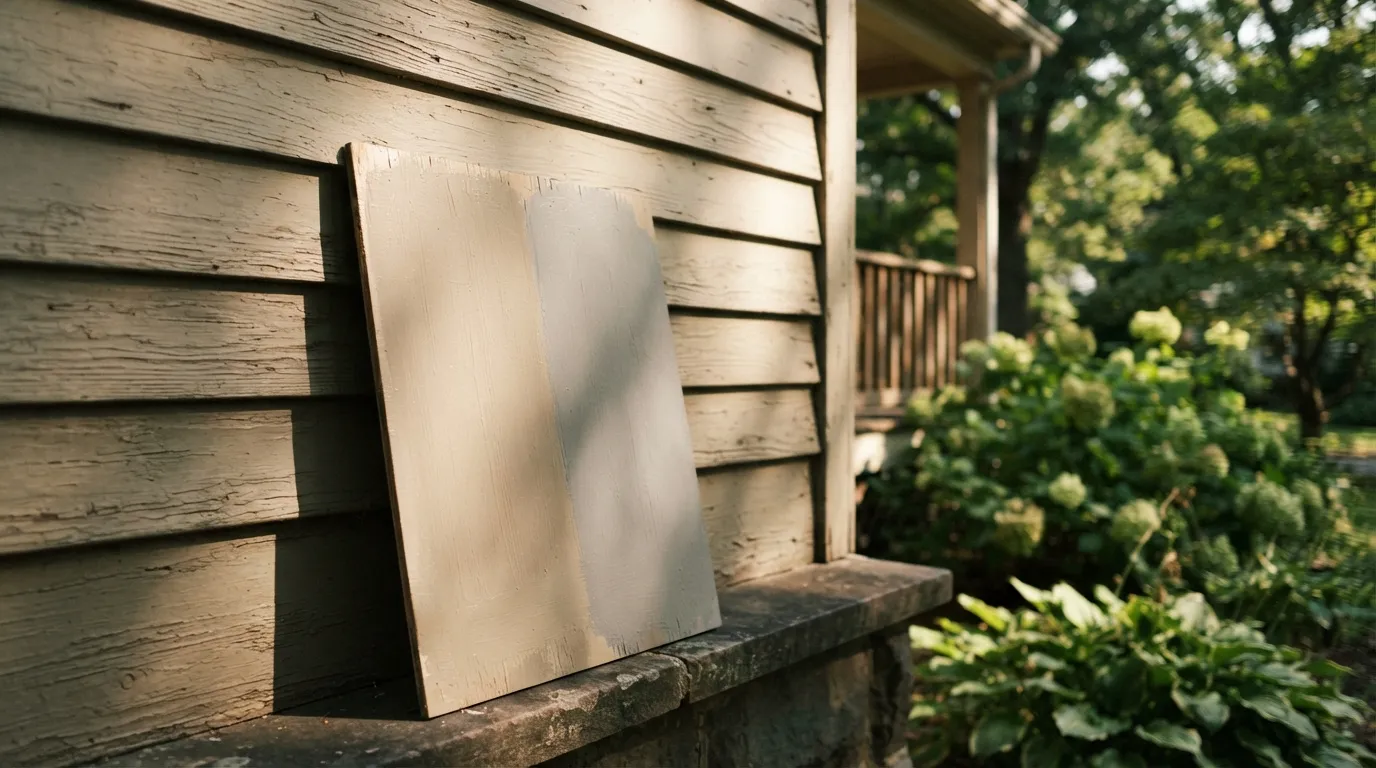
What the Silver Spring swatch is
It is sold as an exterior paint swatch and appears on several product pages, so you will see it on sample cards and online palettes as an option for siding or trim. Retail listings note the swatch name and let you order sample sizes or full cans under that code.
Seeing the swatch on a card tells you the basic undertone and whether it reads warm or cool in a neutral setting. It does not, on its own, show how the paint will behave on your house. You will still need to view it on the actual material, under the light where the house sits, before committing to a full repaint.
How this color looks on local house styles
A swatch photographed on a neutral background is a starting point. What you will see on a real house depends on several visual factors that matter in Silver Spring neighborhoods: the siding material, the age and style of the house, exposure to sun, and what the trim and roof already read like. Expect the same swatch to read different on clapboard, fiber cement, and vinyl.
Clapboard and other textured wood siding break up the surface and show shadow lines. On horizontal boards the paint will appear slightly deeper in the shadowed channels and a touch lighter on the raised faces where direct light hits. That variation can make a mid-tone swatch feel more complex and less flat than the card led you to expect. On smooth fiber cement the color reads more even, so the undertone you see on the sample card shows through more clearly.
Roof color and trim define how any main body color sits in the composition. A cool gray roof tends to push a neutral swatch slightly warmer by contrast, while a warm brown roof does the reverse. Trim that is a crisp white will make a soft gray-green or blue-gray feel cleaner. Trim with a creamy or off-white finish will warm the whole elevation and can make the body color read greener or brownish in low light.
Orientation and exposure change the swatch across the day. South and west faces get warm, late-afternoon light that can intensify warm undertones. North-facing elevations keep a steady, cool light and reveal subtle cool undertones that might be invisible on a bright afternoon. Dusk and shady corners bring out blue or green notes that the card did not show.
Architectural style matters too. A Colonial with narrow trim and symmetrical openings benefits from a restrained mid-tone where details remain distinct. A Craftsman with heavy trim and natural wood accents can take a richer, more saturated version of the same swatch because the wood and stone anchors read as visual weight. On narrow rowhouse facades the same color can look heavier; consider lighter trim or a break in the plane to keep proportions balanced.
Nearby houses influence perception more than you expect. If your street has a band of cool grays, a slightly warmer swatch will feel different by comparison. Walk past the block and notice which adjacent colors harmonize and which clash. The finished look is the color plus everything around it: the roof, the landscaping, the porch floor, and cars in the driveway.
How to preview the color on your house
Testing a color in place is the only reliable way to decide. There are safe, low-risk methods you can use before ordering gallons.
Order a pint or sample pot and paint a small board, not the house itself. Use a piece of exterior-grade wood or a primed composite board two feet by one foot, painted with two coats of the sample. Prop it against the house where the body color will go and view it at different times of day and in different weather. Move the board around to the areas that get direct sun, to the shaded side, and up near the porch where visitors look first.
A painted board beats a paper swatch because it shows how the color lays out on a real surface and how the finish reflects light. If you want a more permanent test, paint two boards in the same way but try the swatch with two different sheens. Flat or low-sheen finishes hide surface flaws and reduce glare; a soft gloss will show more vibrant pigment and reflect light differently on trim and siding.
If you prefer a non-paint method, try a removable vinyl mockup. Print a high-resolution sample patch on a matte vinyl and stick it on a board, or use painter’s tape to mask an area and affix the sample. These mockups help when you need to test a color near textured trim or where adhesives will not damage the substrate. Resist relying only on app mockups or phone photos for the final decision; they are useful for shortlisting but often misrepresent subtle undertones and gloss.
When you use photos, take them in natural daylight, with the camera set to neutral exposure, and avoid the noon shadow extremes. Capture the elevation from the viewing distance you will normally see it. Compare the photo of the painted board against the house photo to judge scale and contrast. Looking at a phone mockup is helpful for early choices, but always follow up with a physical sample board.
If you are comparing several colors, label each board clearly and stand back to assess them from the sidewalk and from the porch. Walk the block and look at them from the curb at the same time of day the house is usually seen. That context gives you the best sense of how the color will perform with neighboring houses and street trees.
Prep, sequence, and what a painting quote should list
A sensible exterior job begins with surface preparation. Poor prep is the single most common reason a new paint fails prematurely. A contractor’s written estimate should separate the prep work from the painting so you can compare like for like when you get multiple bids.
Typical surface preparation steps include power washing to remove dirt and loose paint, scraping and sanding where old paint is failing, and targeted patching of rot or damaged trim. Caulking is part of this phase where gaps around windows, doors, and trim need sealing before paint goes on. If there is mildew or mold, a cleaning step with a suitable cleaner should be noted. The estimate should say whether primer is required and where it will be applied, for example on bare wood, patched areas, or repaired trim.
A clear quote will list the sequence of work so you know what to expect on site: preparation, priming where necessary, painting of the body, painting of trim and doors, and a final walk-around touch-up. It should specify the number of coats planned for body and trim and whether a separate product will be used for the trim. The quote should name the surfaces included, for example siding, soffits, fascias, porch ceilings, and exterior doors, and it should note any surfaces excluded so there are no surprises.
Look for a line in the estimate that covers protection of plants and ground covers, and cleanup at the end of each day. If scaffolding or lifts are needed because of height or access, the cost of rental and setup should be listed separately rather than buried in a lump sum.
A useful checklist when you compare bids:
- Which surfaces are included and which are not
- How many coats are proposed for body and for trim
- Where primer is included or planned
- Whether caulking and mildew cleaning are itemized
Ask each contractor to write the items above into their estimate so you can compare apples to apples. If a bid is vague about preparation, ask for specifics. A lower price that skips rot repair or pretends that old, flaking paint is fine to paint over is a false economy.
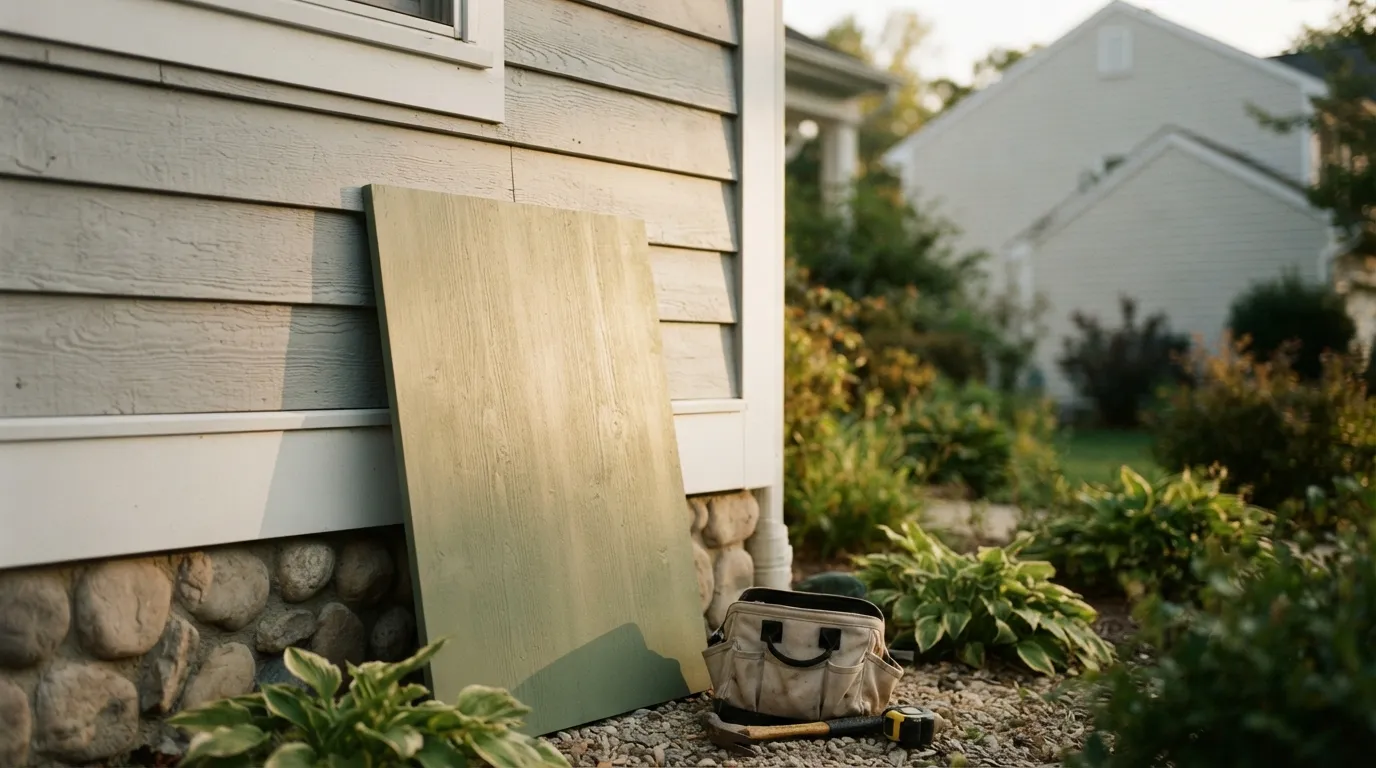
On timeline, weather dictates scheduling. Exterior painting windows are seasonal because paint needs dry, moderate conditions to cure properly. Expect the work to be done in a logical run: prep, prime where needed, paint the body, then paint trim and detail work. If stormy weather or a heat wave is forecast, the contractor should propose dates that avoid extremes so the finish will adhere and look right.
Finding painters, reading reviews, and comparing bids
Start local and build a short list. Search for painters and handymen who advertise exterior painting in your area, then read recent customer reviews for patterns. A handful of detailed reviews that describe the scope of work, how surprises were handled, and whether the crew cleaned up are more useful than many short, generic star ratings.
When reading reviews, watch for these signals: descriptions of how the painter handled prep and repairs, whether they stuck to the agreed schedule, and whether the final touch-ups were done promptly. Reviews that mention clear, written estimates and that detail paint brands or finish types give you practical information you can check against other bids. Beware of reviews that are only praise with no specifics; they are easy to fake or to misunderstand.
Ask each painter for a written estimate that uses the checklist in the previous section so quotes are directly comparable. Request references for recent exterior jobs similar in scale and material to yours and, if possible, drive past those houses to see the work in person. If a contractor hesitates to give names or examples, that is a reason to seek another bid.
To find the best fit, consider both the written quote and how you were treated in the estimate stage. Did the contractor listen to your concerns about siding condition, mildew, or tricky trim details? Did they point out issues you had not noticed? A pro who notices and explains necessary repairs gives you confidence they will not hide extra charges later.
For people searching for painters near you, local directories and community groups are a place to start, but use reviews critically and cross-check claims. If you want advice on interpreting listings and reviews for local handymen, look for resources that explain what to ask and how to read review patterns. That will make it easier to separate a competent local painter from someone who underbids and cuts corners.
Common mistakes when choosing an exterior color
The most frequent missteps start with relying on a single, indoor swatch. Cards in a store are lit and flat; they do not show how the color reacts to the slope of a roof, the shadow of a porch, or the warm light of late afternoon. Always test with a painted board.
Another mistake is ignoring the neighborhood context. A color that looks bold and fresh on a lone house can read garish amid a row of muted tones. Check the street at the time of day that matters for curb appeal and imagine how the color will age beside existing facades.
A third error is poor trim pairing. A mid-tone body color with a trim that is too close in value can make details disappear. Trim should either contrast enough to define windows and eaves or be deliberately matched to create a calm, monochrome look. If you are unsure, test the body color with both a crisp white and a warmer off-white trim on separate sample boards.
Finally, overreliance on phone mockups is risky. Apps are useful for narrowing choices, but they flatten gloss and compress subtle undertones. Treat them as an early step and always follow with physical samples on the surface you will paint.
Next steps: order samples and schedule a visit
Paint the board with the sheen you plan to use and test it against the house in sun and shade. Label and photograph the samples so you can compare them over several days.
Once you have a short list of colors, invite two or three contractors to inspect the house and provide written estimates that use the prep checklist. Ask each contractor to note areas of rot, the need for primer, and whether scaffolding will be required. Compare the written quotes rather than verbal promises.
Finally, schedule any sample application with the contractor before committing to a full repaint. A trial area or a painted board in place gives you the confidence to proceed and reduces the chance of an expensive repaint later. If you want help choosing interior and exterior pairings, see the guide on how to pick interior wall paint colors for Silver Spring homes linked below.
Frequently asked questions
Will the 2120-50 Silver Spring swatch look the same on every siding type?
No. The same swatch will read differently on clapboard, smooth fiber cement, and vinyl because texture and shadow change how the eye sees pigment. Always test on the actual siding material before deciding.
How do I test a color without painting the whole house?
Paint a primed exterior-grade board with two coats of the sample and prop it against the house in sun and shade, or use a matte vinyl patch on a board for a removable mockup. View the sample at the distance and times you normally see the house before choosing.
What should be on a written exterior painting estimate?
A clear estimate should list the preparation steps, where primer is applied, how many coats are planned for body and trim, which surfaces are included, and whether scaffolding or lift rental is itemized. That lets you compare bids fairly.
How do I read online reviews to find a reliable local painter?

Look for reviews that describe specific work: how prep and repairs were handled, whether the crew stayed on schedule, and whether the contractor provided a written estimate. Recent, detailed reviews are more useful than many short, generic star ratings.
Can I rely on an app or phone mockup to pick an exterior color?
You can use app mockups to narrow choices, but they often misrepresent subtle undertones and gloss. Treat them as a starting point and always confirm the choice with physical sample boards on the house.
