
Why this page gets you fixed faster
If you searched for an appliance repair handyman because a fridge, range or dryer is giving you trouble, this page is written for you. It strips away generic lists and tells you what to do now, what a booked visit will include, and how to get a clear follow-up quote that lets the repair happen quickly in Silver Spring or elsewhere in Montgomery County. Read the short safety checks, use the checklist before you call, and you will either spot a simple fix or arrive at a booked visit with the right information. That saves you time and keeps the technician focused on the repair rather than the preliminaries.
How to tell if an appliance should be repaired or replaced
A practical way to decide is to separate cosmetic and serviceable faults from recurring or systemic failures. Repair when the problem is a single component that can be replaced without large changes to the surrounding work. Examples are a worn gasket, a failed heating element, a clogged drain pump, or a broken door hinge. These leave the appliance otherwise sound and worth fixing.
Replace when the appliance has recurring faults, visible corrosion, or safety failures that point to wider deterioration. If an appliance trips breakers, emits burning smells, or needs multiple parts changed each year, those are signs the underlying systems are failing. Older homes in Montgomery County can complicate that choice: older wiring, undersized circuits, or vent runs that are long and kinked make a repair less certain to last.
Consider parts availability and energy use. Some manufacturers stop supplying boards and branded parts for models after a few years; a repair that depends on a rare control board can take longer and cost more than a basic replacement. At the same time, replacing a very old, inefficient appliance only for a minor fault can be the wrong call if the rest of the unit is in good condition.
Think about the work around the appliance. A range or wall oven that requires new clearances, a different gas hookup, or a new electrical circuit is a bigger project than swapping a pump. Those sit closer to replacement because the on-site cost and disruption grow once other trades or permits are involved. For a dryer, check vent condition and exhaust routing before deciding to replace the machine; a new dryer will not run safely or efficiently if the vent is blocked or poorly routed.
If you are unsure, treat the repair as an inspection first: have a technician diagnose the fault and outline repair options and the likely lifespan after repair. That gives you the information to decide without committing to the full job immediately.
Safe, simple checks you can do right now
Start with safety. Unplug or switch off the appliance at the wall before you touch any external panels or hoses. If the problem involves gas or an electrical burning smell, stop and do not try to open the appliance; call a professional.
A short checklist you can run in place now helps the technician and can occasionally avoid a call. Try these items and note what you find:
- Look at power and supply: confirm the appliance is plugged in, the outlet is live, and any visible fuses or breakers are on.
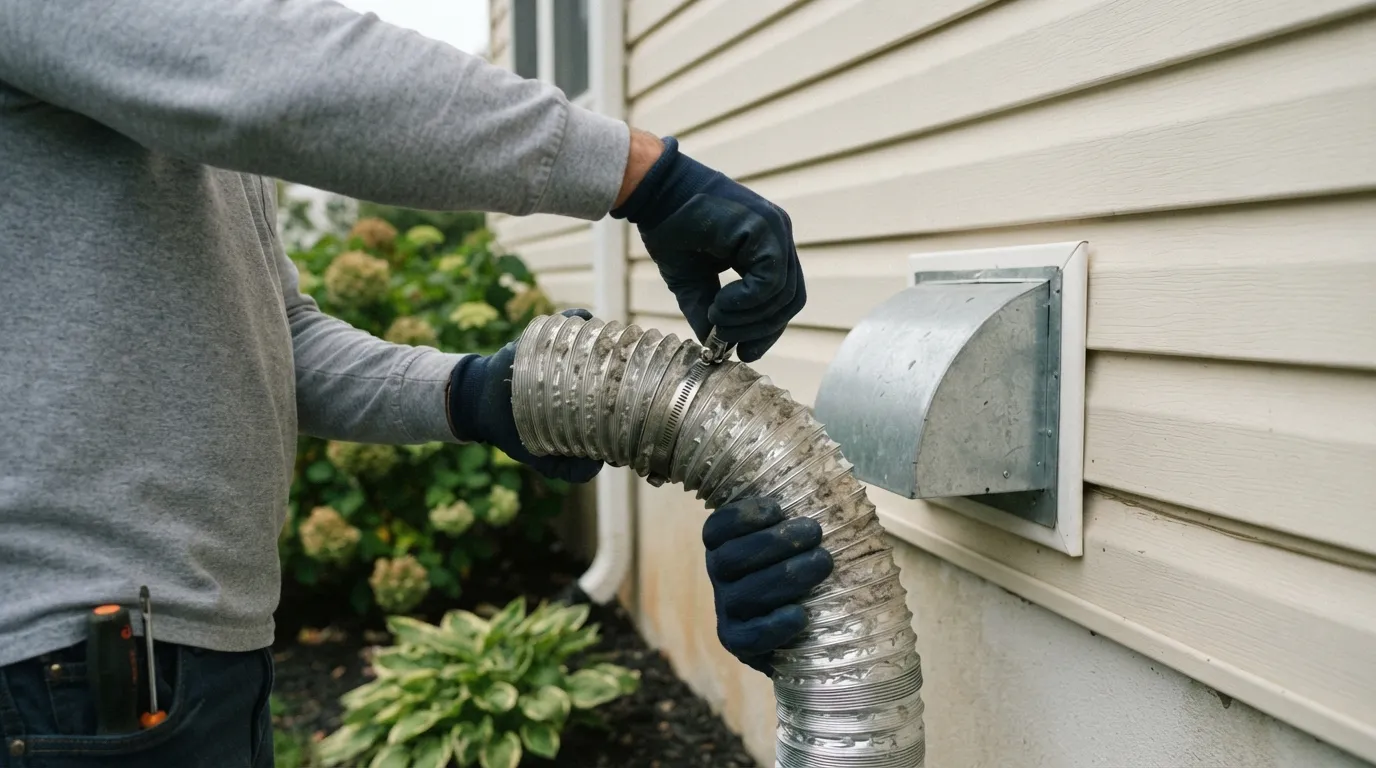
- Inspect hoses and vents: water hoses should be free of bulges and leaks; dryer vents should run smoothly to the outside and the lint trap should be clear.
- Check basic filters and drains: many dishwashers and washing machines have accessible debris filters behind a kick plate or inside the drum; clean these of lint and small objects if you can.
- Run a simple cycle and listen: unusual bangs, squeals or repeated beeps during a short test run are useful details to record for a technician.
Keep a short note of what you tried and when it happened. Photographs of error codes on displays, of the vent termination outside, or of a water stain under the machine are particularly helpful.
When to stop: if you need tools beyond a screwdriver, if panels do not come off easily, or if you see loose wires, frayed insulation, leaking gas smell or signs of electrical arcing, stop and arrange a professional visit. Do not attempt internal electrical repairs or to disassemble sealed refrigeration systems. Those tasks require tools, diagnostic meters and parts that are not safe to improvise.
If a dryer is involved, clean the lint filter and check the outdoor vent for visible blockage before you run it again. If the dryer continues to overheat, emits a burning smell or the house experiences repeated nuisance tripping of a breaker when the dryer runs, leave it disconnected and call for inspection.
What a handyman service visit actually includes
A clear sequence on site speeds the work and keeps decision points visible. Expect the visit to follow a standard order: arrival and safety check, a focused diagnosis, a clear explanation of options, the repair or a parts order, testing and a short wrap-up that leaves you with next steps.
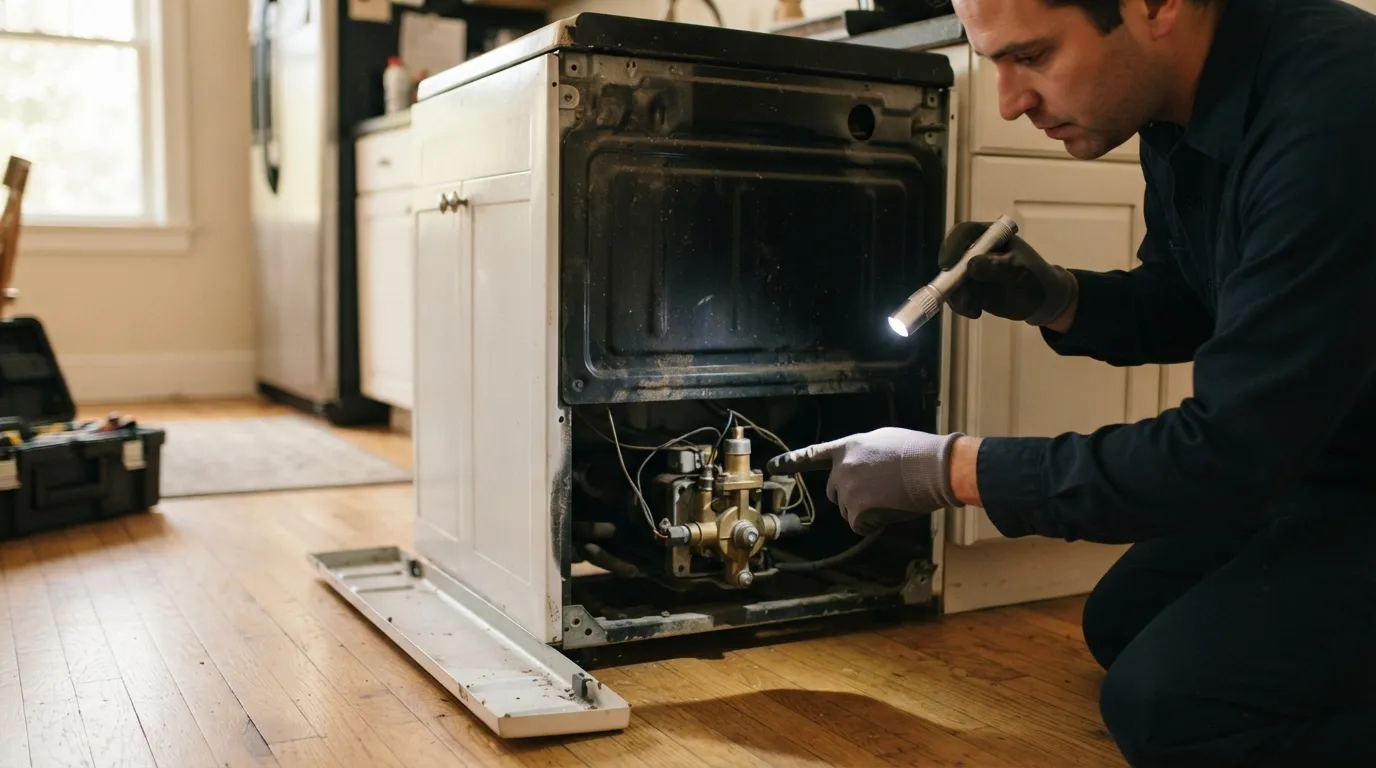
The technician starts with a safety sweep: isolating power or gas as needed and checking for obvious hazards like wet floors, standing water, or external vent blockages. That is followed by a targeted diagnosis. Rather than replacing parts at random, a good visit narrows the fault to a component or system so the remedy is chosen with purpose.
When the diagnosis is complete, the technician should explain what they found in plain terms, show you the failed part where possible, and describe the available options. These will normally include a basic repair, a larger repair that replaces related wear items, or a recommendation to replace the appliance if repair is unlikely to be durable. If parts are available on the vehicle, many straightforward repairs finish on the same visit. If parts are not on hand the technician will give a written or verbal estimate for the extra work and a window for a return visit.
Parts and lead times matter. Some controls and specialty parts have longer wait times; expect the technician to outline whether they will order parts for you, what the expected delay is, and whether they can return to fit them. If the repair requires work beyond the appliance itself — a new circuit, a gas line modification, or duct rerouting — the technician should explain that as an additional scope and, where necessary, advise on permitting or specialist trades.
After repairs are complete, testing under normal operating conditions is standard. The technician should run a cycle, demonstrate the problem is resolved, and leave you with simple care instructions and any small maintenance you should do moving forward. A short follow-up note or receipt that lists the work done and the parts used gives you a record to show tenants or to keep with the appliance paperwork.
What we fix, and the jobs we won’t take
A local appliance repair handyman typically handles a wide range of kitchen and laundry fixes that do not require major trade work. Common jobs include replacing door seals and gaskets, fixing drawer tracks and hinges, replacing visible elements such as heating elements, changing simple motors and pumps, unclogging accessible drains, replacing thermostats and temperature sensors, and addressing common control panel errors where the board itself is available as a replaceable part. We also handle modest installation tasks that do not alter a building’s fixed services.
There are clear limits. Do not expect the handyman to perform major gas line relocations, full electrical panel upgrades, structural changes to cabinetry or counters, or full window and door manufacturing and replacement. Work that requires certified trade contractors, specialised gas-fitting certification, or structural engineers is outside the scope of an appliance repair visit. Likewise, HVAC installation, roof replacement, gutter cleaning, foundation repair and pest control are not tasks a handyman performs.
If an appliance fault points to a deeper issue — for example repeated motor failure caused by voltage issues, or a malfunction that creates a safety risk like gas leakage or persistent electrical arcing — the correct move is to stop and call the appropriate licensed trade. The same applies to any manufacturer warranty work that requires authorised service agents; a handyman can often do interim work or diagnostics, but warranty claims may need the maker’s authorised technician.
For dryer work, we can inspect and advise on venting and basic duct repairs and, where appropriate, clear accessible lint build-up. For a full dryer vent re-route or major vent cleaning that requires roof or soffit access, expect that a separate venting or HVAC specialist may be required.
When an appliance is near the end of its life or the fix needs substantial on-site changes, the technician should explain those limits and, when possible, recommend the right specialist to carry the work on.
How our pricing and quoting process works
A clear quote starts with a clear diagnostic. The first step is an inspection and a plain description of the fault and the available fixes. Ask for a written breakdown that separates parts and labour and states whether the quoted price includes return visits to fit ordered parts. That makes it easier to compare offers and avoids surprises when a part needs ordering.
Parts are usually billed separately; a good quote names the parts or the part numbers and whether the quote uses new manufacturer parts, aftermarket parts, or reconditioned items. If the parts are special-order the technician should note the lead time and any restocking or return policy on unused parts.
Drivers of cost to expect in any quote include how hard the appliance is to reach, whether cabinets or panels must be removed or refitted, the availability of the specific part, and whether additional trades are needed for electrical or gas work. Permits or code-mandated work add to the scope; if a replacement requires a new circuit or a gas reconnection, that will be an extra line on your estimate.
Communication is the key. Before you authorise work, ask how the technician will confirm additional costs if they discover more during repair, and whether a new written estimate will be provided for significant deviations. Request a simple receipt that lists the fault, the parts replaced, and any care advice. That lets you show landlords or tenants what was done and preserves the service history should the appliance need further attention.
If you want competitive quotes, ask for the same scope from each provider: a written diagnosis, the labour to fit named parts, and any return visit required to finish the job. That keeps the bids comparable and makes your decision clearer.
Working with landlords and property managers
We approach recurring property work by aiming for predictability. For unit turnovers and repeated service needs, plan a short, standard scope for common repairs so you know what is covered on each visit and what will trigger a separate estimate. Consolidated billing that groups small repairs into a monthly or scheduled invoice simplifies accounting and reduces per-visit administration.
A practical turnover plan lists the usual items to check and repair between tenants, and whether cosmetic touch-ups are included. This is the place to decide whether replacing worn hardware, changing seals, or addressing small appliance faults happens as part of the turnover fee or as separate, billed repairs. Make that visible in writing so contractors and property staff do the same work to the same standard.
Response expectations should be agreed up front. For landlords, the technician should record what was inspected, what was repaired, and what further work is recommended, ideally with photographs and a short punch list. A tenant turnover punch list prepared in advance speeds visits and reduces back-and-forth about who pays for what.
If you manage multiple units, keep a running log of common faults. That list helps spot patterns — a repeated venting problem on a block of dryers, or a persistent supply issue that hints at building wiring. Those are the cases where a consolidated view saves money by treating the root cause rather than fixing the symptom several times.
Frequently asked questions
How much do appliance repair technicians charge per hour?
Hourly charges vary and depend on travel, diagnostic time, the complexity of the repair and the parts required. Ask for a written estimate that separates labour and parts so you can compare quotes on the same basis.
The phrase can mean different things, but the useful way to think about it is to weigh the repair cost against the remaining useful life and efficiency of the appliance. If a repair is a large share of replacing an otherwise serviceable unit, replacement is worth considering.
What is someone who fixes appliances called?
They are usually called an appliance repair technician or appliance service technician; a handyman often handles many common appliance repairs but may refer specialised or warranty work to manufacturer-authorised service agents.
Do I need permits for replacing an appliance?
Simple swaps often need no permit, but changes that alter electrical circuits or gas connections can require local approvals; check Montgomery County rules or ask the technician to advise before starting work.
Can a handyman help with dryer vent problems?
Yes. A handyman can inspect and clear accessible lint, advise on vent routing, and repair minor ductwork; for major reroutes or rooftop work you may need a venting or HVAC specialist.
