

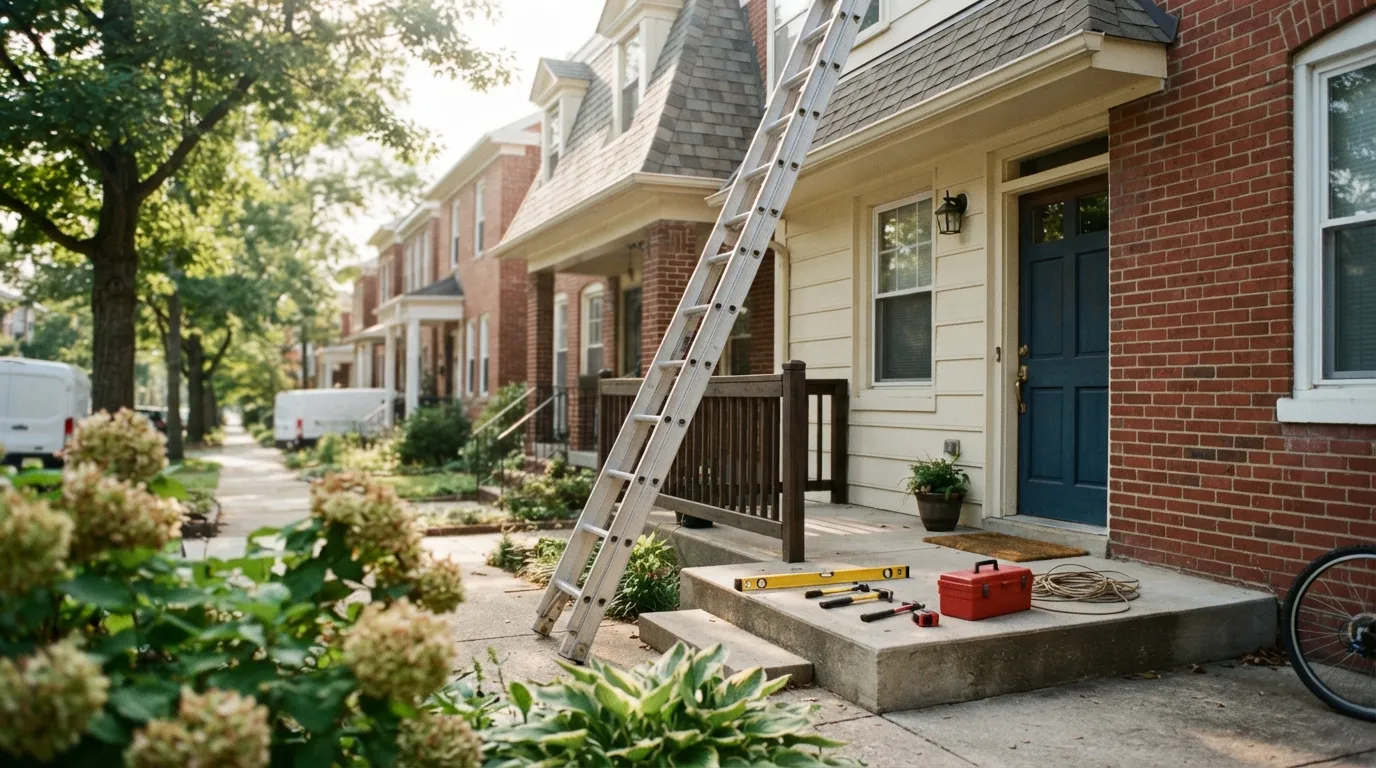
How to tell a handyman is truly local
You want someone who knows the neighbourhood and the common quirks of local homes. Start by asking where the business is based and whether the person who answers your questions will be the one arriving at the job. Locally owned, independent providers often give you a single point of contact rather than a rotating list of crews; that helps with consistency and with getting local references you can call.
Ask for recent, local references and follow up on one or two. A true local will be able to point to jobs completed in nearby streets or describe problems common to area houses. Ask whether the workers are employees or subcontractors and whether the person you speak to will be on site; answers to those questions tell you how stable the team is and how dependable follow‑up will be.
Finally, check how the provider talks about scheduling and estimates. Local handymen who are used to the area will describe how access, parking or building rules affect how long a job takes, and they will suggest practical ways you can prepare before a visit.
What a handyman will and won’t usually do
A good independent handyman will cover a wide range of small to medium repair and upgrade tasks around the house. Typical work includes hanging and trimming doors, drywall and plaster patching and finishing, interior painting prep and finish work, replacing fixtures such as faucets and towel bars, simple flooring repairs and replacements, basic carpentry like shelving and cabinet adjustments, fence repairs, and dryer vent maintenance.
Handymen regularly handle jobs that keep a home functioning and looking cared for: patching ceiling or wall damage, fixing loose railings, adjusting cabinet hinges, patching tile grout, and carrying out small fixture upgrades in kitchens and bathrooms. They also often do the preparatory and finishing trades that sit between small repairs and a full remodel, such as surface preparation, minor trim work, and isolated plumbing or electrical fixes that do not involve major system changes.
There are common exclusions you should expect. Major structural changes, full window or full door replacements, full roof replacements, large HVAC work, extensive foundation repair, full kitchen or bath gut‑outs that need coordinated trades and permits, and pest control are outside the typical handyman scope. When a project touches main supply lines, alters load‑bearing structures, or requires an inspection and a trade licence by local code, you will usually need a licensed contractor rather than a handyman.
When you call, name the task clearly and ask whether the provider has done similar work recently. If you need help deciding whether your job is a handyman job or a contractor job, describe what must change, whether walls or floors are being moved, and whether you expect electrical or plumbing rough‑in work. Those details make the right response obvious and save time in scheduling an on‑site estimate.
How pricing and estimates are usually handled
Prices are built from a few simple pieces: the labour required, the cost of materials, how easy the work area is to reach, and the job’s complexity. Labour is the largest single driver because experienced hands and careful preparation take time. Materials vary in price and quality, and whether you supply them or the tradesperson sources them will affect both cost and scheduling.
Access matters. A job in an attic or a tight stairwell takes longer than the same task on a ground floor with a wide entrance. Likewise, jobs where the work must be done around furniture, in homes with delicate finishes, or where a building has strict hours will need extra time for protection, which shows up on the estimate. Contamination — for example, water damage or mould hidden behind a patch — is another common surprise; work that looks like a small repair can turn into a larger project once the layers are opened.
Ask for a written quote that breaks the price down into labour, materials, and any allowances for unknowns. A clear quote names the scope of work, the products or materials to be used, who is responsible for sourcing them, and how extras will be handled if the job uncovers additional work. If the estimate is verbal, press for a follow‑up email or a short document you can compare to other bids.
Get at least two written bids for medium sized jobs and use them to compare how each provider sets out the scope. Cheap, vague bids often cost more later because they omit necessary prep or finishing. Conversely, very detailed bids make it easier to see what is and is not included and let you choose where to save or upgrade.
Talk about timelines early. A simple repair can often be booked quickly, while an upgrade that requires materials to be ordered may add days or weeks. Ask what the provider’s availability is, what might delay the start, and how long the work itself will disrupt the space. If the estimate includes a window for completion, confirm how changes to the scope will be handled and who signs off on when the job is finished.
Finally, discuss payment terms before work begins. Many small providers expect partial payment for materials up front or prefer payment on completion; confirm acceptable methods and when a final walkthrough will happen. A short, written note of the agreement avoids confusion at the end of the job.

When a permit or licensed contractor is needed
Local building codes and permit rules vary, but the dividing line you should watch for is whether the work changes the structure, the primary electrical service, or the main plumbing. Tasks that only replace fixtures, repair surface finishes, or adjust non‑structural elements often do not require permits. Jobs that reconfigure the layout of a kitchen or bathroom, add new bathroom fixtures that require moving waste or supply lines, or alter electrical circuits typically involve permits and inspections.
If you are planning a remodel rather than a repair, ask the handyperson whether the scope will require a permit. Even when a handyman can carry out work under local rules, some homeowners prefer a licensed contractor to take responsibility for permit applications and to coordinate inspections. The homeowner’s role varies: in some cases you can pull the permit yourself, in others the contractor must be the permit holder. If you want someone to handle permits, state that at the first call so the right personnel can prepare.
Electrical and plumbing work have clear boundaries in most jurisdictions. Simple fixture swaps and isolated repairs may be within a handyman’s capability, but any work that reroutes circuits, adds a new circuit, or changes the main service will generally need a licensed electrician. Similarly, replacing a faucet is different to moving the sink or changing drain layouts; the latter usually needs a plumber with a licence. When in doubt, ask the provider whether they will work with a licensed tradesperson for the parts of the job that require it.
Permits add steps and time. A permit application may require drawings or specifications and may be subject to review and a scheduled inspection. That process can change the timing and cost of a job, so factor it into your plan. If you have a homeowner association or a building manager, check their rules before work starts; they sometimes require additional approvals or scheduling constraints.
If you want to be certain about local requirements, the safest approach is to contact the county building department or the municipality for guidance and to confirm whether your planned work needs a permit. Ask the person you hire to explain who will apply for permits and how inspections will be scheduled, and make sure that responsibility is recorded in your written estimate.
What happens on the day of the job
On the day, expect the worker to arrive at an agreed time and to introduce themselves. You should confirm identity and the scope before work begins. If you are not going to be present, agree how access will be handled and whether the worker should lock up when they leave.
Protection matters. A tradesperson should protect floors and furniture while they work and set out clear drop zones for debris and materials. For jobs that create dust, ask how they will contain it and what cleanup is included. Good preparation on both sides speeds the job and reduces the chance of accidental damage to finishes.
Communication keeps the job on track. Request brief progress updates for longer work and ask how the worker will handle unexpected findings. If the work uncovers additional problems, agree how those will be priced and who must approve extra time or materials before they proceed.
Plan the finish. Before the tradesperson leaves, do a short walkthrough to confirm the agreed tasks are done and to note any remaining items. Confirm how final payment is handled and whether there is a paper record of completion or a simple sign‑off. A clear end of job conversation avoids misunderstandings and makes it easier to organise follow‑up maintenance.
Real local projects and how they were done
A small bathroom refresh might start as a list of cosmetic fixes but turn into a tougher job once the panelling or tile is opened. For example, a project that began as a vanity swap and fresh paint often included a new light fixture, a short run of tile repair, and a quick regrout job. The practical lesson is to allow time for discovery and to ask for a quote that anticipates common follow‑ups.
Drywall repairs are a frequent local call. A typical case is a bedroom where a door handle has punched a hole in the wall. The fix involves trimming the damaged drywall back to sound board, fitting a new patch, taping and finishing the seams, sanding between coats, and applying primer before paint. Each step must dry and be sanded to get an invisible finish; rushing to paint too soon is the most common cause of a patch that shows.
Accessible bathroom updates often combine carpentry, fixture changes, and careful layout decisions. Small moves such as installing grab bars, adjusting faucet height, or fitting a different showerhead look straightforward but require planning so the final layout is safe and feels natural. In those jobs, the team checks mounting points, wall backing, and how the user will enter and exit the shower, and they sequence the work so that any minor plumbing or trim work does not delay the finish.
Fence repairs are another local example. A sagging section is usually fixed by resetting posts to a solid depth and replacing broken rails, but sometimes the job involves dealing with uneven ground or rot that extends beyond the visible damage. A clear initial inspection that describes what will be replaced and what is an extra item prevents surprises when the team is on site.
A dryer vent maintenance visit shows how safety and small repairs combine. The task begins with a safety check, cleaning of lint from the duct, and inspection of the vent termination. If the vent path is long or obstructed, the work takes longer and the technician will describe options, such as replacing short sections of duct or improving the external hood, so the dryer runs cooler and safer.
These local examples share common threads: an honest initial inspection, a sequence of prep and finish steps, and a willingness to pause and agree a change order when new problems appear. Use those markers when you evaluate an estimate or the final work.

Checklist for hiring and getting a clear quote
- Describe the problem clearly and note where the work will be done so the provider can advise on access and parking.
- Ask whether similar jobs have been done recently and request one or two local references you can call.
- Request a written estimate that separates labour and materials, names the products to be used, and explains how unknowns will be handled.
- Ask who will handle permits, if any, and whether licensed trades will be used for electrical or plumbing work that needs it.
- Confirm the expected start date, how the work area will be protected, and how final sign‑off and payment will be handled.
Use the checklist when you call so every bid answers the same questions and you can compare like with like. That makes it easier to choose the provider who will do the job as you expect.
Frequently asked questions
What does a handyman usually charge per hour?
Hourly charges vary with the provider and the job; the best way to know is to ask for an estimate that shows whether the price is hourly or a flat fee, and what work is included in that charge.
Should I tip my handyman?
Tipping is a personal choice; you can reward careful, punctual work with a tip or a positive review, but confirm payment methods and whether cash is preferred before the day of the job.
What are the most common handyman services?
Common services include hanging doors, drywall and plaster patching and finishing, interior paint preparation and finish, minor carpentry, fixture replacements, fence repairs, and dryer vent maintenance.
Is hiring a handyman worth it?
Hiring a handyman is worth it for small to medium repairs and upgrades where you want experienced hands and a quick, tidy result; for structural changes or work that requires licences and inspections you will usually need a contractor.
