

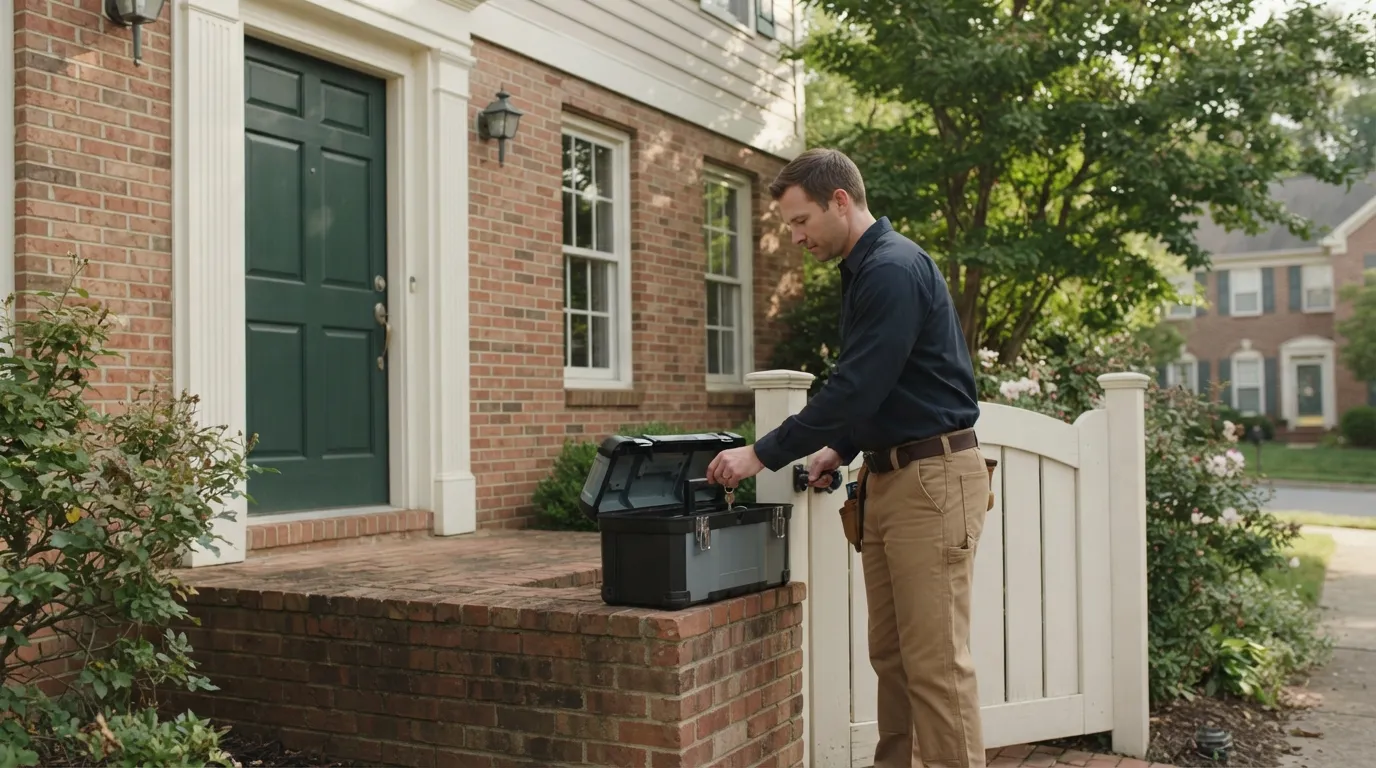
What a handyman will do, and what they won’t
A typical call for handyman services Silver Spring starts with a clear problem: a damaged drywall corner, a leaky faucet that’s more nuisance than emergency, or a few rooms that need new paint and trim. What you should expect from a handyman is hands-on repair and small remodel work around the house: patching and finishing drywall, replacing fixtures, updating trim or hardware, small plumbing and electrical fixes that don’t need major rework, basic flooring repairs, fence patching, and maintenance tasks like dryer vent checks.
What a handyman will not take on are large, specialist jobs that need a separate trade or permit-heavy construction: full roof replacements, major structural changes, large-scale HVAC work, pest extermination, or whole-house new construction. If a job clearly needs a structural engineer, full roof replacement, or specialty licensing and permits beyond minor alterations, you should expect to be directed to the right specialist. Knowing that boundary up front saves time: a short on-site assessment will tell you whether the work stays in the handyman lane or needs a different contractor.
Common jobs homeowners ask us to do
Homeowners usually bring a cluster of similar jobs when they call. You will see most of the same requests across single rooms and entire houses: patching holes, refreshing paint, replacing bathroom and kitchen fixtures, and swapping out worn trim. For small kitchen and bath updates this often means replacing a faucet, installing a new light fixture, patching tile edges, or fitting a new vanity top rather than a full remodel.
You will also see requests to repair or replace sections of flooring — loose boards, squeaks, or damaged transitions — and to handle door and window trim that has swollen or separated. Fence repairs and small sections of replacement that restore function and curb appeal are frequent calls, as are dryer vent cleaning and safety checks when homeowners suspect lint build-up.
Basic electrical and plumbing tasks are common, but they are the kind you discuss first: replacing a switch or outlet, swapping light fixtures, tightening supply connections, or changing a sink trap. Anything that looks like rewiring a circuit, changing a panel, running new plumbing stacks, or work behind the walls on gas lines is generally outside a handyman’s remit and requires licensed trades.
When you contact us, be ready to describe the problem, how long it’s been happening, and whether parts or materials are already on site. That helps us decide whether we can finish the work in a single visit or if you’ll need a staged plan.
How pricing and written quotes really work
There are two common ways handymen build an estimate: by time (hourly) and by scope (a flat quote for defined work). Hourly pricing gives flexibility when the work is open-ended or when hidden issues might appear behind walls or under floors. A flat quote is better for a well-defined job where the scope, materials, and access are clear. A careful quote explains which method is being used and why, so you can compare like with like.
A clear written quote should list three things: the scope of work, the materials to be supplied, and any exclusions or assumptions that would change the price. Scope of work means the steps the technician will perform — for example, remove old baseboard, prep wall, fit new baseboard, caulk and paint two coats — and it should say whether finishes and trim are included. Materials should be itemised so you can see what brand or grade is proposed and whether you or we will supply them. Exclusions are as important: a quote should say if hidden rot, asbestos-containing materials, or failing subfloors are not included so both sides know what will trigger a change order.
Comparing bids is easiest when each one uses the same terms. If one estimate is hourly and another is flat, ask each contractor to translate the hourly job into a likely flat scope or to list the hourly assumptions: how many hours are expected, how many workers, and what happens if the work uncovers extra problems. Ask for the same finish levels in each quote — for example, if paint includes two coats and priming on raw drywall, make sure both bids say that.
On the day, a good written quote will also explain how you will be billed: whether by a staged deposit and final invoice, or by hour plus materials. It should indicate who will source and warranty materials if questions arise, and whether small leftover materials will be left with you. When you receive multiple quotes, don’t pick a contractor on price alone; look for clarity about the unknowns, reasonable allowances for time and materials, and a description of how change orders are handled.
When permits and inspections are needed in Montgomery County
Many small repairs and cosmetic updates do not require a county permit, but certain triggers make a permit necessary in Montgomery County. Work that moves or alters plumbing stacks, changes electrical service or panels, modifies structural members, or enlarges the footprint of the house usually does. Replacing like-for-like fixtures — for example, swapping a faucet or installing the same size window without changing openings — typically does not need a permit, while changing the rough openings for windows or cutting new penetrations through a floor or bearing wall likely will.
Before you agree to work that might be near the permit threshold, ask the contractor how they confirm whether a permit is required. There are three common options: you check with the county and get the permit yourself, the contractor obtains the permit in their business name, or the contractor uses a permit expediter to handle the paperwork. Each route has tradeoffs: homeowners who pull permits retain direct control of inspections, contractors who pull permits often bundle that service into their project administration, and an expediter can move paperwork faster when schedules are tight.
If a permit is needed, the quote should list the permit cost separately or say whether it is included. It should also say who will arrange the inspection schedule so you know when county inspectors will visit and whether their access will require you to be at home. If the job may uncover code compliance issues — knob-and-tube wiring, lead paint concerns, or nonconforming plumbing — the contractor should list those as possible change items and advise you on next steps.
For landlords and managers with multiple properties, handling permits centrally is often the practical choice; one point of contact makes inspection windows and follow-ups easier. If you expect multiple permit jobs across a season, clarify upfront who files what, how permit fees are tracked on invoices, and the process for closing permits when inspections pass.

Materials, timelines and planning for kitchens and bathrooms
Kitchens and bathrooms are workhorse rooms: they take traffic, moisture, heat, and need finishes that stand up to daily use. When you plan upgrades, start by mapping the scope into three buckets: function, surfaces, and access. Function covers what changes you want — a new faucet, improved lighting, or a small reconfiguration. Surfaces are the visible materials — cabinet finishes, countertop choices, tile types, paint or trim — and they determine both aesthetics and longevity. Access is often forgotten: how easy is it to get tools and materials in, is there a clear workspace, and can adjoining rooms be isolated to avoid dust and water during the work?
Small kitchen or bathroom updates that leave major plumbing and electrical runs in place can often be staged so you keep partial use of the room; for example, replacing vanity hardware or regrouting tile is less disruptive than a new vanity with plumbing relocation. Timelines depend on whether you are doing a cosmetic refresh or making changes that touch the rough plumbing or walls. A cosmetic job that involves replacing fixtures and repainting can often be scheduled in short blocks so daily life carries on; any work that requires drying time for tile adhesive, grout, or new sealants adds necessary pauses to the schedule.
Choose resilient finishes for wet areas. Porcelain or ceramic tile and moisture-resistant paint are a safer bet around showers and sinks than delicate finishes. If you’re considering natural stone for countertops or tile, factor in sealing and maintenance in addition to initial cost and lead time. Cabinet changes that reuse existing boxes but replace doors and hardware reduce waste and shorten timelines compared with full cabinet replacements that require field measurements and custom orders.
Order long-lead items early and allow a buffer for delivery. Many delays in small remodels come from missing parts or substituted finishes. When you receive a quote, ask which finishes are critical-path items and which can be installed later without affecting the main work. If you live in a multi-unit building, coordinate access for deliveries and storage so materials arrive when there’s space to keep them clean and dry.

What to have ready before you call and what to expect on the day
Before you call, gather a few simple things: photos of the problem from several angles, a note of when the issue started, and any relevant history (for example, whether a leak was previously fixed). If you already bought parts or materials, list their make and model so we can confirm fit. Clear the work area as much as practical — loose objects, toys, and fragile items — so the technician can get straight to work.
On arrival, expect a brief walk-through. We will look at access, measure if needed, and explain what we can do in a single visit versus what needs a follow-up. We will discuss the scope and any assumptions that could change the price, and we will make note of hidden conditions that may require a revised written quote. If you need to be out of the house during work, tell us in advance so we can arrange a secure plan for keys or access and to leave clear instructions about when and how the job will be completed.
Paperwork on site should be straightforward: a written estimate or scope, a statement of how billing will proceed, and a description of what the visit will include. If the job needs a permit, expect a conversation about who will handle the filing and inspection scheduling. If you are a landlord or manager, bring any tenancy or unit notes that affect access times, parking, or building rules so the day’s visit can fit building protocols.
Seasonal maintenance checklist for Montgomery County
A local maintenance rhythm keeps small problems from becoming large ones. For spring and fall, focus on a few durable actions that prevent common failures: keep dryer vents clear of lint and the exterior vent free of obstructions, check seals around exterior doors and windows for gaps, inspect fence posts and gates for rot or movement, test bathroom fans and kitchen exhaust for proper airflow, and walk attic access points to check for any signs of moisture or pests.
Replace worn weatherstripping and recaulk joints where paint and caulk have failed before winter arrives. Clean and inspect shower and tub grout lines and re-seal ceramic tile as needed to prevent water from reaching the substrate. For exterior woodwork, a timely touch-up of paint or stain where the finish has failed will protect the timber and reduce future repair scope.
If you manage several properties, schedule these checks ahead of seasonal change so tenants aren’t surprised by repairs, and tie them to a simple reporting checklist that captures what was inspected, what was repaired, and any items that will need follow-up. Doing small, regular maintenance is almost always less disruptive and less expensive than waiting until replacement is the only option.
FAQs for landlords and property managers
Scheduling multiple units requires coordination. We recommend a consolidated work list so trips can be bundled: group apartments or houses by proximity, and prioritise work that needs the same trades or materials. Clear windows for access reduce missed appointments and speed turnover between units.
Billing and invoicing for repeat clients should be agreed up front. Decide whether you want individual invoices per unit, a consolidated monthly statement, or a project invoice that covers several units; a clear invoicing cadence reduces administration time and keeps accounts receivable predictable.
For response times, set realistic expectations in your contract: routine maintenance and scheduled repairs will have a different timeline than urgent issues that affect habitability. Agree on what you consider urgent and how those calls will be prioritised so both parties know how to respond when something needs faster attention.
If you plan to use the same contractor for seasonal maintenance, discuss a maintenance plan that lists routine checks and an agreed price structure for the season. That makes budgeting simpler and ensures the same technician becomes familiar with the properties, which speeds future work.
To arrange multiple visits or to discuss a maintenance plan, contact us to request a quote or to schedule an assessment.
Frequently asked questions
What is a fair price to pay a handyman per hour?
Fairness depends on what the price includes and what the job needs. Compare whether a quoted hourly rate includes travel and basic materials, ask how much time is expected for the task, and check whether a flat-rate alternative is available for a well-defined job.
What is the best way to find a good handyman?
Ask for clear, written quotes that list scope, materials, and exclusions, and compare how different contractors describe unknowns and change orders. Look for contractors who explain permit needs and inspection steps plainly, and prefer those who communicate what will happen on the day of the visit.
What is the most requested handyman service?
Homeowners most often request small repairs that restore daily function: patching drywall, replacing fixtures, minor flooring repairs, and paint and trim work. These tasks are the sort that can usually be completed in a single or a small number of visits when access and materials are ready.
Do you handle permits for jobs that need them?
Who pulls permits is a matter to agree on before work begins: you may choose to pull the permit yourself, the contractor can arrange it, or a permit expediter can be used. Make sure the written quote states who will file permits and how inspections will be scheduled so there are no surprises.
