

The floors that actually survive heavy use
The best flooring for high traffic areas is the kind of surface that keeps looking acceptable after boots, pets, luggage and holiday crowds, and that you can repair without tearing the house apart. In Silver Spring and across Montgomery County, that usually means choosing a hard-wearing surface and a finish that resists scratching and moisture rather than chasing a single material that looks nice on paper.
Testing and trade write-ups point to three types that stand up noticeably better to scratches and dents: laminate, porcelain tile, and vinyl. They perform well because of how they are built. Laminate sandwiches a hard wear layer over an engineered core, so the surface takes the damage and the structure below stays stable. Porcelain is fired dense and resists abrasion and moisture, so it tolerates dirt tracked in at an entry or hall. Vinyl products use a tough wear layer over a stable backing that can flex without cracking when people or rolling loads pass over it.
That mechanical difference is what matters at home. A soft finish over a soft core looks great at first, but marks and dents from dropped pans, pet claws or moving furniture show up fast. A dense, hard surface spreads the force of impact and keeps a consistent finish. Equally important is resistance to moisture and grit, because parked snow, tracked-in sand and spilled drinks are the kinds of abuse frequent in heavy-use rooms.
How to pick flooring for high traffic starts with matching the material’s strengths to the room’s threats (see flooring, tile, wood & vinyl). If moisture and grit are the main problems, lean to porcelain or vinyl. If you want a wood look but need scratch resistance, modern laminate and some vinyl options will be the better match than a soft topcoat on solid wood. Expect trade-offs: something very hard may feel colder or firmer underfoot, and repair paths differ between materials. Knowing the failure mode you care about, scratches, dents, chips, or water damage, narrows the choices faster than chasing a single “best” label.
Balancing look, budget, and long-term wear
Choosing a floor for a busy household is a balancing act between how you want the space to look, what you can afford up front, and how much upkeep you will tolerate over time. Appearance and texture matter; so does the kind of wear you expect. Decide which matters more and you can choose the compromises you will live with.
Start with the look you want. Porcelain and vinyl both offer tile and wood looks, but they feel different underfoot and age differently. Porcelain keeps its finish and pattern even when scuffed, whereas wood-look products rely on a printed or layered surface that can show wear in high-traffic lines. If a natural wood look is essential, an engineered wood floor with a tough finish can be used in circulation zones, but it will need more careful cleaning and touch-up than the tile and vinyl options that stand up to abrasive dirt.
Upfront cost and what you will live with are separate questions. A more resilient surface may cost more at purchase but save time and worry later because it resists scratches and stains. Conversely, a cheaper surface that looks great now may require refinishing or replacement sooner if it dents easily. Think in terms of what you would find acceptable in year three after the house has had visitors and daily wear.
Maintenance expectations change the decision. A nonporous material like porcelain or commercial-grade vinyl wipes clean and tolerates wet mopping; softer surfaces need gentler cleaners and careful drying to avoid swelling or finish loss. The household that will accept weekly spot-cleaning can live comfortably with different materials than the household that wants a low-effort surface.
Also consider how easy repairs are. Small scratches in laminate can often be disguised; damaged porcelain may require replacing a tile and matching grout; vinyl planks can sometimes be swapped if you keep a few spare boards. Ask whether you can live with visible patches, or whether you prefer a repair path that leaves the floor visually uniform.
Finally, think about transitions and trims. A durable floor is only as good as the way it meets adjacent rooms and thresholds. A poor transition lets dirt and moisture track into softer floors, accelerating wear. Planning these joins when you pick the material saves money and trouble at installation.
The right floor for each room: entry, kitchen, halls, stairs
Rooms have different circulation patterns and threats, so the right choice for an entryway is not the same as the best option for stairs. Make decisions by asking how people move through the space and what they bring with them.
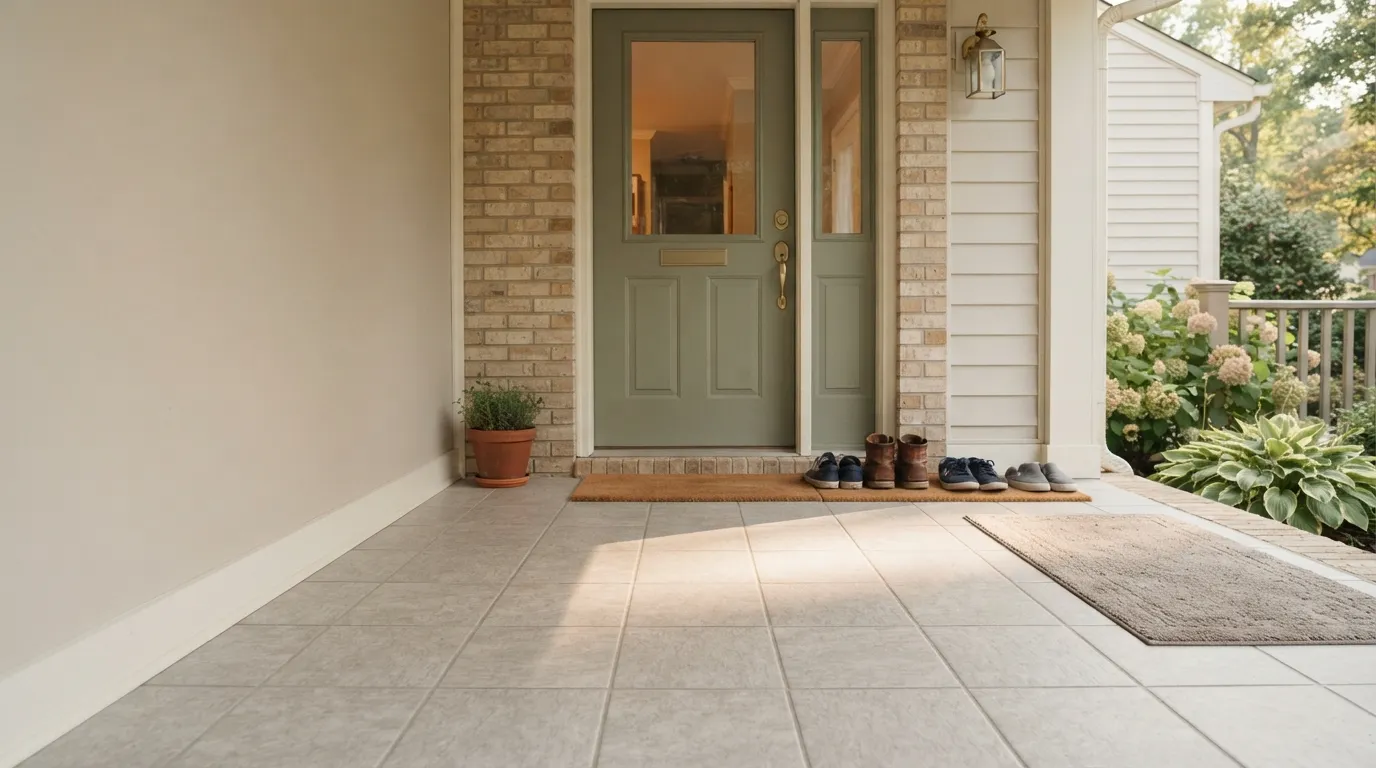
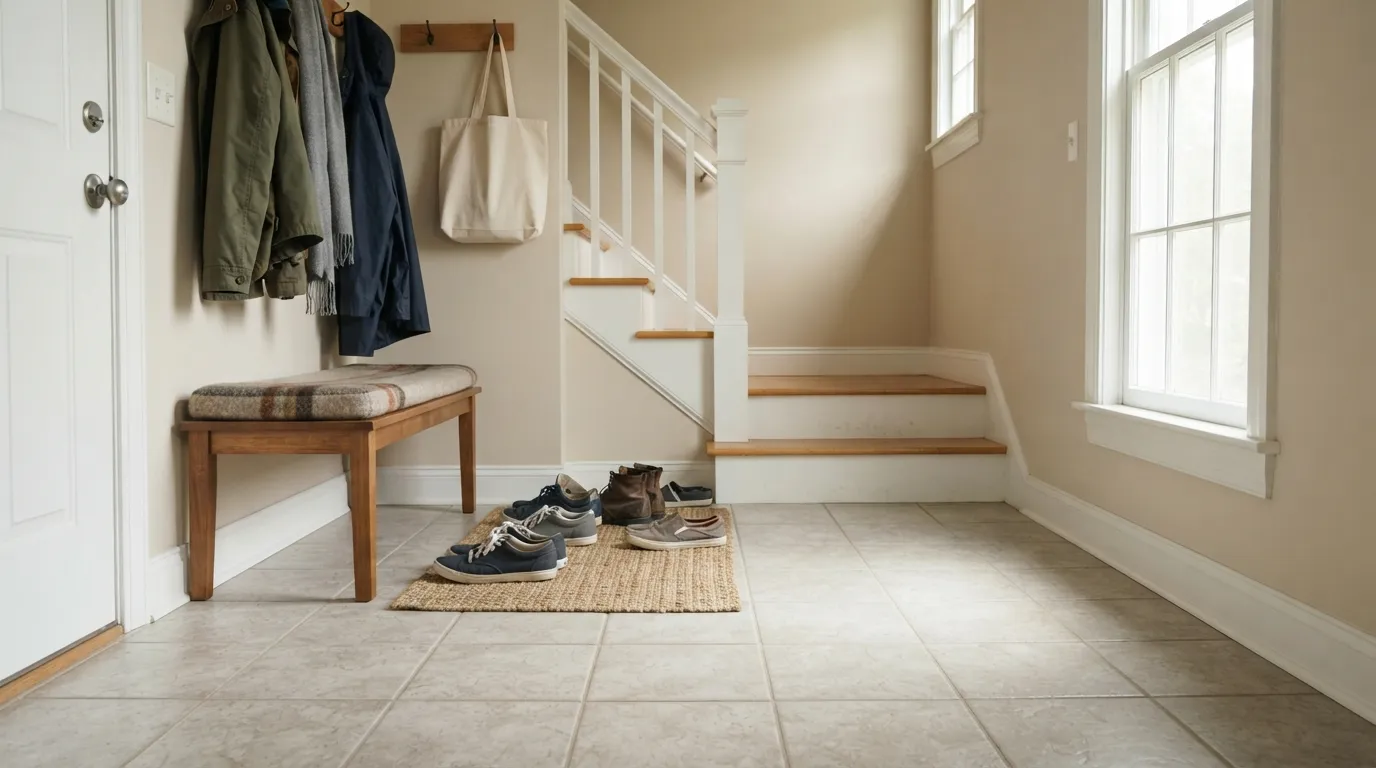
Entry and mudroom: These see moisture, grit and frequent traffic. Porcelain tile or a robust vinyl with a high-resistance wear layer are the usual choices because they stand up to slush, sand and repeated wiping. They tolerate wet mopping and can be textured to prevent slipping when wet. If you want a doormat solution, pair a flush mat with the durable surface so grit doesn’t abrade the finish.
Hallways: Hallways concentrate foot traffic in narrow lines. A dense surface such as porcelain or a high-quality laminate will resist concentrated abrasion better than softer wood finishes. If you choose planks, select a pattern and finish that hides linear wear marks and plan for transitions at doorways that keep dirt out of adjoining rooms.
Kitchens: Kitchens face dropped utensils, frequent spills and rolling carts. Porcelain tile is forgiving to spills and easy to clean, but it can be hard on dropped dishes and feels firm to stand on for long times. Cushion-backed vinyl gives more give underfoot and handles spills well, but choose a product with a thick wear layer to avoid gouges. If you prefer wood in the kitchen, an engineered product with a resilient finish is the safer choice over solid planks in a busy home.
Stairs: Stairs show wear quickly and are safety-critical. Avoid slippery, high-gloss finishes. Narrower treads and nosing get more concentrated impact, so choose a material you can safely grip and that can be repaired without replacing the whole run. Laminate and some vinyl stair coverings can be installed with anti-slip treatments and are easier to patch than a single damaged wood step.
Open-plan living spaces: These combine circulation, lounging and dining. Choose a surface that balances comfort and durability. A single material through the main plane reduces thresholds and helps when moving furniture, but be ready to accept a compromise between comfort underfoot and wear resistance.
A single “best” option does not exist for every room, but matching material characteristics to each room’s traffic and threats usually gives a durable result that also looks right for the space.
Choosing flooring when you have kids, pets or tenants
Household life changes what you need from a floor. Kids, pets and rental tenants each bring predictable kinds of wear. Match the material and finish to the dominant risk and the amount of upkeep you will do.
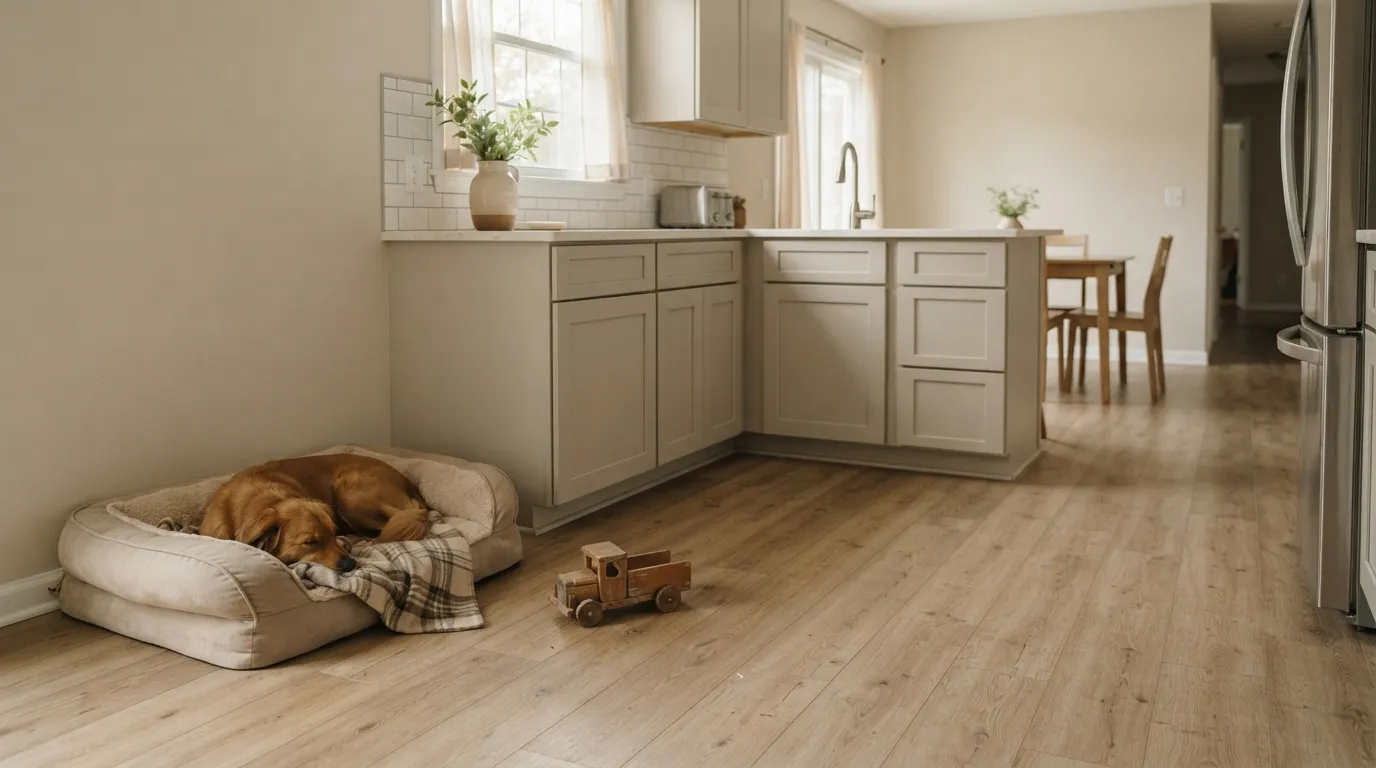
Pets: Claws and accidents are the main concerns. Look for surfaces with high scratch resistance and nonporous finishes that won’t trap odors. Laminate with a strong wear layer and commercial-grade vinyl both resist claw marks better than softer wood finishes. Avoid highly textured grout lines that trap hair and dirt in pet-heavy zones.
Kids: Spills, crayons and heavy foot traffic are the issues. Nonporous surfaces that wipe clean and tolerate frequent mopping are smart. Vinyl and porcelain are forgiving for spills; if you choose a softer surface for comfort, expect to keep stronger cleaners and spot-repair supplies to hand.
Tenants and rentals: Quick turnover and imperfect routines mean pick a surface that stands up to cleaning and occasional misuse. Vinyl and porcelain are low-effort and patchable; keep spare planks or tiles for fast touch-ups. For rental units you plan to repaint between occupants, choose finishes that accept cleaning chemicals landlords use without showing damage.
In each case, surface finish makes a big difference. A tougher wear layer or a textured, low-gloss finish hides small marks and makes repairs less obvious. Also plan for practical details: leave a few spare planks or tiles when the job is done, use protective pads on furniture legs, and place runner rugs in the busiest lines of traffic to prolong the main surface without hiding its look.
What installation will actually involve, and what a handyman does
A successful installation starts with the subfloor and ends with clean, well-sealed transitions. On a typical job our first tasks are to check the existing surface, measure runout and flatness, and test for moisture or soft spots. Older homes in Montgomery County often have uneven subfloors, nail pops or localized rot where previous flooring was removed, and those conditions change how we install new material.
Site prep often includes removing baseboards, pulling old flooring and checking the substrate. A handyman can handle the common prep tasks: repairing small sections of subfloor, sanding and leveling localized dips, and installing underlayment where the new product requires it. When the subfloor has larger structural issues, or when a steam or radiant heat system is present and requires specialist connection, we point the job toward a specialist.
Underlayments and moisture barriers matter. Porcelain over concrete needs an appropriate underlayment or decoupling membrane to prevent cracking from substrate movement. Vinyl and laminate often require a smooth, firm underlayer and, in some cases, a thin vapor barrier on slab installations. We check for moisture and choose the underlayment the product manufacturer requires because skipping it shortens the floor’s life.
Typical on-site steps look like this:
- Remove trim and old thresholds, and protect areas that will remain in use.
- Repair or level the subfloor where needed, and install underlayment or membrane if required.
- Lay the flooring in the pattern chosen, cutting planks or tiles to fit, and secure or float per the product instructions.
- Fit transitions, reinstall trim and seal edges where needed.
A handyman can complete most of these steps, including small subfloor repairs and underlayment work. When a job needs electrical moves, major structural repairs, or complex waterproofing (for example a fully tiled wet room), we will advise you to bring in a specialist for that portion while we handle the remainder of the install and finishing.
Before we finish, we walk the completed run with you to check transitions, door clearances, and the look in live light. That catches scuffs that can be buffed out and ensures thresholds meet safety and cleaning needs.
- Read more about what flooring installation in a Silver Spring home involves after you have a plan.
Maintenance and simple repairs that keep floors working longer
How you care for a floor in a busy home determines how long it looks good. Regular, practical routines slow wear and reduce the need for replacements.
Daily life: Keep grit out by using doormats and runners where people enter, and sweep or vacuum grit before it abrades the finish. For wet messes, blot and wipe promptly; standing water is what damages seams and edges most often. Use the cleaner the floor manufacturer recommends; harsh chemicals and abrasive pads remove protective wear layers.
Scratch and dent mitigation: For small scratches on laminate or vinyl planks, color-matching fill sticks and careful buffing can make marks much less visible. For porcelain, grout touching up hides edges of replacement tiles; for wood-look products consider a local touch-up kit for finish marks. For stairs and narrow treads, check the nosing and replace or resecure it if it loosens, because loose nosing accelerates wear at the step edge.
Simple repairs you can do between pro visits:
- Swap a damaged vinyl plank with a spare if you saved a few offcuts at installation.
- Use a filler and color match for small chips in laminate or engineered wood.
- Reseal grout lines that are showing dirt penetration in tiled entries.
- Tighten loose threshold screws and replace worn padding under furniture legs.
When a repair is more than a small patch, call for a professional opinion. Patching without addressing a moisture source or a failing subfloor only delays a bigger job. A handyman can usually handle plank swaps, isolated board replacements, and grout touch-ups, but structural subfloor failures and wide-area water damage need specialist attention.
Frequently asked questions
Which flooring is more scratch resistant?
Testing and industry write-ups point to laminate, porcelain tile and vinyl as the most scratch-resistant options because their wear layers are designed to take the abrasion rather than the structural layer underneath.
What flooring should I pick for a busy kitchen?
Choose a surface that tolerates spills and rolling loads; porcelain handles moisture and abrasion well and vinyl plank gives more give underfoot while still resisting stains, so match the feel you want to how you use the kitchen.
Can I put new flooring directly over my existing surface?
Sometimes you can, but the right choice depends on the condition of the existing substrate; we check flatness, moisture and any soft spots first and recommend underlayment or subfloor repairs when needed before laying the new material.
What maintenance will keep a busy hall floor looking good?
Keep grit off the surface with doormats and runners, sweep or vacuum regularly, wipe spills promptly and use cleaners the manufacturer recommends to avoid stripping protective layers.
Is it worth keeping spare planks or tiles?
Yes, saving a few spare planks or tiles from the original install makes future repairs much easier and helps you match color and pattern when a single piece needs replacing.
