

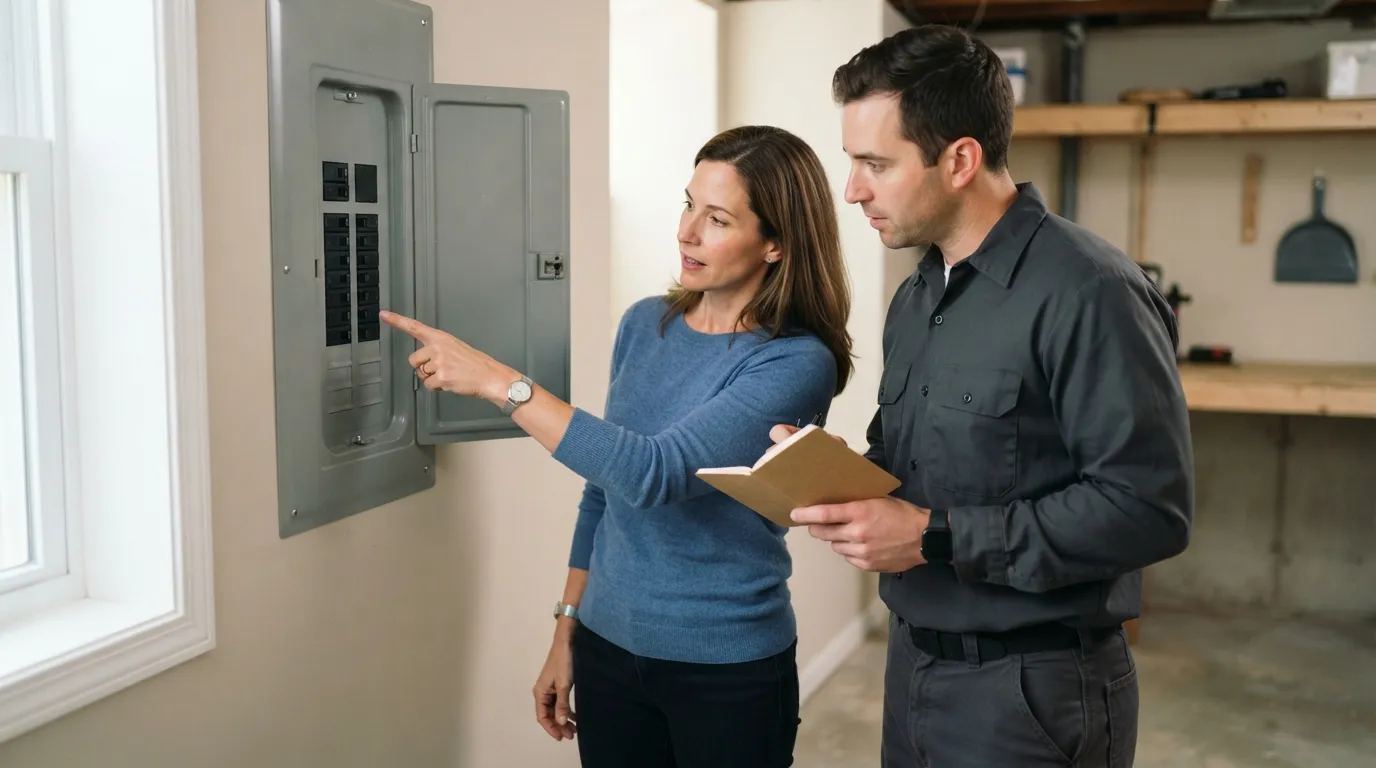
What to do right now when an electrical problem looks urgent
If you are searching for electrical repairs Bethesda because something in your home is acting dangerously, start with safety and a quick checklist. First, stop using the circuit or appliance that shows the problem. Unplug appliances if it is safe to do so, and do not touch any metal that is warm or sparking. If you see smoke, smell burning, or find scorch marks at an outlet or switch, leave the area and call for professional help.
Turn off power at the breaker or fuse only if you can reach the panel safely and you know which switch controls the affected circuit. Keep children and pets away from the area until the issue is resolved. Do not attempt to pry open outlets, cut wires, or reattach loose conductors yourself. These actions greatly increase the risk of shock or fire.
Stop using the device and arrange a professional inspection right away. Persistent arcing or sparking, repeated breaker trips that will not reset, or outlets that are warm are warning signs. Also stop if you see visible damage inside an outlet or switch, or if an electrical smell lingers after unplugging. If a breaker trips and will not reset, treat that as a condition to avoid using the circuit and call for help rather than forcing the breaker.
Prepare a short description of what you saw, when it started, and any actions you took. Note which rooms or appliances are affected and whether the problem is intermittent or constant. That information speeds diagnosis and keeps the first visit focused on safety.
If you want us to take a look, contact Avishay Handyman LLC to arrange an inspection and a quote.
Common faults in older wiring and how they present
Homes built before modern wiring standards often show the same handful of symptoms. Knowing those symptoms lets you describe the trouble accurately when you call for electrical repairs in Bethesda. It also helps the technician prioritize safety when they arrive.
Lights that flicker or dim when you run an appliance point to a few possible causes. A loose neutral, a weakened connection in a junction box, or an overloaded circuit can all make lights dip when a heavy draw starts. Flicker that follows a specific appliance is often a local wiring or connection issue at that appliance. Flicker that affects multiple rooms can mean a problem back at the panel or a shared neutral.
Circuits that trip repeatedly are a common complaint in older homes. Repeated tripping usually means the circuit is overloaded, a device is shorting, or a breaker or wiring connection is failing. If the breaker trips and will not reset, the fault is persistent and the circuit should not be used until a technician has inspected it.
Outlets that feel warm, show discolouration, or have a burning smell are warning signs of a loose or failing connection. Heat at an outlet often develops where current passes through a poor contact and should be inspected quickly. Buzzing or humming from switches or lights can mean a loose connection or an overloaded fixture.
Two bright symptoms that point to aged equipment are outlets without a grounding slot and knob-and-tube or cloth-insulated wiring. Ungrounded two-prong outlets limit the safe use of modern appliances and can increase shock risk. Cloth insulation and other old wiring materials become brittle and unsafe over time and are cited by electricians as reasons to consider an upgrade.
When you describe the issue, include simple details. Say exactly what sparks, where the smell comes from, and whether the breaker trips. Also say whether the problem began after a change such as a new appliance or recent work. Photographs of the affected outlet, panel, or fixture are very useful and let the technician prepare the right parts and tools for the visit.
What a service visit actually includes
A typical service visit starts with a focused safety check. The technician will confirm the hazard is contained. They will verify which circuits are affected. They will assess whether the work can be completed on the spot or if it requires further access or parts. That first check is the essential step that keeps everyone safe and sets the scope for the rest of the visit.
Next comes diagnosis. Diagnosis usually involves testing outlets, switches, fixtures, and the panel with handheld testers to find loose neutrals, bad contacts, incorrect wiring, or failed devices. The technician will inspect the visible wiring, open the outlet or fixture to check connections, and test the breaker or fuse. If there are signs of a wider system issue, the panel and any upstream junctions will also be checked.
Some repairs are straightforward and completed during the same visit. These include replacing a failed outlet or switch, tightening loose connections, replacing a damaged cord, or swapping a defective breaker or fixture. If the required parts are on the service vehicle, that work can be finished while you wait.
Other problems need a follow-up. If the diagnosis shows you need a panel upgrade, extensive rewiring, or concealed damage behind walls, expect more work. The technician will explain to you why the work is necessary and what it will involve. They will tell you whether a permit or inspection is likely. Expect a written estimate for work that goes beyond a simple fix.
Code-compliance checks are part of the process. The technician will note any conditions that do not meet current wiring standards. Examples include ungrounded circuits, missing ground-fault protection in moisture-prone areas, or overloaded panels. If code issues are present, the report will say what must be done to bring the installation up to standard. The decision to proceed with upgrades is yours. The technician should make the choices clear.
Timing and access affect what gets done in one visit. If the problem is in a bathroom or attic, providing safe, unlocked access speeds work. If occupants have pets or if large furniture must be moved, arrange that before the visit so the technician can work without delay. Photographs sent ahead of the visit are helpful when access is tight; they let the technician decide which tools and parts to bring.
At the end of the visit you should receive a clear explanation of the fault, the repairs completed, and any recommendations. If follow-up work is needed, ask for a written estimate that lists the parts, labor, and whether a permit or inspection will be required.
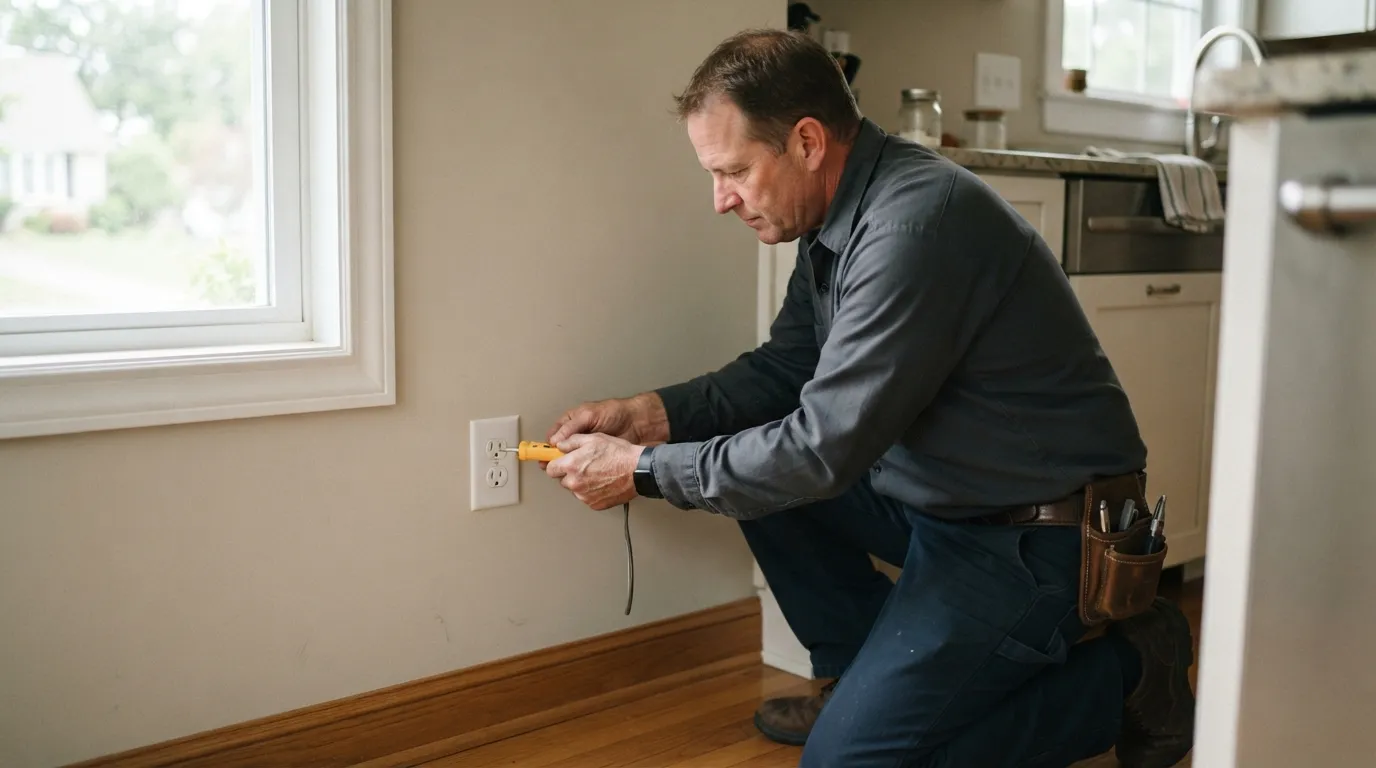
What a repair bill is actually made of
An electrical repair bill is a stack of simple elements, and understanding them explains why two apparently similar jobs can cost very different amounts. The first part is diagnosis: the time it takes to find the fault. A quick plug replacement is different from tracing a hidden short, and labor for testing and tracing is charged accordingly. Time in the truck and time at the panel both count toward the visit.
Parts are the next component. Some fixes use a common replacement device that is inexpensive and quick to fit. Other repairs require specialized breakers, surge devices, multiwire branch circuit supplies, or GFCI-protected fixtures, which raise the parts portion of the bill. If the technician replaces a device and later finds further issues, an additional part may be required and the quote will change.
Travel and trip charges are included in many small contractor bills. If the job requires travel across town, expect added labor and time. Multiple trips because a part was not on the initial visit also show up as added labor and time. Clear communication before the visit about access and about any unusual site conditions reduces the chance of extra trips.
Permits and inspections affect both cost and timeline. Some home repairs are minor and do not need a permit. Others, such as panel changes and some rewiring, often require a permit. Those jobs usually need an inspection by the authority having jurisdiction. Permits carry fees and add scheduling steps; when a permit is required, the cost and schedule will reflect the additional work.
Complexity and concealed conditions drive surprise costs. Work behind finished walls, within ceilings, or under floors may uncover damaged insulation or corroded splices. Other conditions may also appear that cannot be seen until the space is opened. When concealed damage appears, the technician should pause, explain the newly discovered issue, and provide an updated estimate before proceeding.
Finally, upgrades to meet code or to improve safety will change the scope. Replacing a single outlet in a very old circuit might reveal that the entire run lacks grounding or overcurrent protection appropriate for modern appliances. The choice between a targeted repair and a larger upgrade is often yours. The technician should show the trade-offs in writing so you can decide.
You can reduce surprises by preparing before the visit. Turn off and label circuits you know about. Take photos of the panel and affected outlets. Note any recent changes such as new appliances or prior DIY work. Clear, simple information lets the technician bring the right parts and keeps the estimate close to the final bill.

How to choose someone to do the job
Start by checking the basics. Ask whether the person or company carries the credentials required for the work you need. Also ask whether they will pull permits and arrange inspections if the job calls for them. Those are questions you ask before you agree to a date, and a good contractor will answer them plainly.
Ask for a written quote that lists the work to be done, the parts to be used, and whether permits or inspections are included. A clear written quote reduces the chance of surprise items appearing on the final invoice. If the quote leaves large areas undefined, ask for specifics: which parts, how many hours of labor, and whether travel or trip charges are included.
Local references matter. A contractor who works in your neighborhood will be able to point to recent similar jobs and describe what was needed. Ask for examples of work in similar houses to yours, and where possible look at recent customer feedback on local platforms.
Find out how the contractor handles code issues. Ask how they will describe a required code upgrade. Will they present options, explain why the change is necessary, and give you a clear breakdown of costs? The right answer is one that shows you the choice and the consequences for safety and insurance.
Check how the contractor schedules follow-up and warranty work. Ask whether additional visits for touch-ups or related repairs are charged, and how they are priced. Do not accept a vague guarantee. Expect a clear statement about how callbacks are handled and what is billed as a new visit.
Finally, consider communication. A contractor who sets a time window tells you when to expect them. They should tell you what they will test. A follow-up written note about the visit gives you the clearest picture of what was done and why. Good communication reduces mistrust and makes the job smoother for everyone.
Typical small repairs a handyman can do, and what usually needs a specialist
A local handyman can often handle routine, low-risk electrical repairs that do not involve the service panel or new circuit installations. Typical jobs include replacing a damaged outlet or switch. They include installing a new light fixture where wiring exists. They also include swapping a faulty dimmer or ceiling fan control and replacing a cracked faceplate or loose receptacle. These tasks are visible, accessible, and usually completed with a single visit when the correct replacement part is available.
Other small tasks that fit the handyman scope include adding GFCI devices in kitchens or bathrooms. This applies when the device replaces an existing outlet. Handymen also tighten or correct loose outlet connections discovered during a house call. Many handymen can perform work when the branch circuit is intact and the change is in an accessible box. They should leave clear documentation of what was done.
Jobs that typically require an electrician or a larger electrical contractor are those that touch the service panel, add new circuits, move heavy loads, or involve meter-side work. Panel upgrades and service changes are examples where a specialist is usually appropriate. Adding a dedicated circuit for major appliances also calls for a specialist. Hardwiring major new equipment or any work that results in concealed rewiring behind finished surfaces usually needs a specialist.
If a job requires a permit, insist on a clear discussion of options. Also insist if your house shows signs of older wiring that may fail under modern loads. A handyman can identify problems and sometimes perform straightforward repairs. When the solution involves opening walls, replacing runs, or upgrading the panel, a licensed electrical contractor is the right choice.
To decide quickly, ask these questions before you book a visit: does the work involve a panel or meter? Will new circuits be run? Is the wiring behind walls and difficult to access? If the answer to any of those is yes, plan on a specialist visit. If not, a local handyman can often fix the visible fault and document the work for you.
If you would like Avishay Handyman LLC to inspect a small electrical issue, contact them to schedule a visit. They will advise whether it is a handyman repair or a larger job. You can also request a written estimate.
Frequently asked questions
Do I need a permit for a small electrical repair in Bethesda?
Some repairs are minor and do not need a permit, while others such as panel changes or new circuits often do. Ask the person you hire whether the work requires a permit and whether they will arrange the inspection. A clear answer should be part of any written estimate.
What should I do right now if a breaker trips and won’t reset?
Stop using the circuit and unplug devices on that circuit, then avoid forcing the breaker to reset. Treat a breaker that will not reset as a sign of a persistent fault. Arrange for a professional inspection rather than continuing to use the circuit.
Can a handyman replace an outlet or light fixture, or do I need an electrician?
A handyman can often replace an accessible outlet or fixture when the existing wiring is intact and no new circuits or panel work are required. If the job requires running new circuits, altering the service panel, or rewiring behind finished walls, a licensed electrician or larger contractor is usually needed.
How should I describe an electrical problem when I call for repairs?
Give a short account of what you see and hear, where it happens, when it started, and whether any breakers tripped. Photographs of the affected outlet, fixture, or the panel and a note of any recent changes in the home are very helpful for the technician.
Where can I read more about typical electrical visit time and costs?
See the page titled what electrical repairs in Silver Spring cost and how long they take for more on timing and factors that drive cost.
