


Why a senior-focused handyman matters
An elder handyman service is about small changes that make a daily routine safer and simpler. You want the person who comes to the house to know what actually causes trips, what makes a bathroom hard to use, and which quick fixes keep a small remodel from failing within months. That knowledge changes how a job is scoped, what materials are chosen, and where attention is concentrated during a single visit.
Older homes hide everyday hazards in plain sight: narrow thresholds, loose stair treads, and lighting that leaves shadows where feet go. A handyman who understands those patterns prioritizes grab points, clear sight lines, and surfaces that stay slip resistant as they wear. In a place like Silver Spring and across Montgomery County you often work with homes built in different eras. The right approach starts with a short inspection that treats the whole route through the house as the project, not only the room where the problem showed up.
Quick safety checklist for older homes
Start with a short walk-through that focuses on the routes used every day. Think of the checklist as triage. Fix the worst hazards now and schedule the rest. A few minutes will flag the items most likely to cause a fall or a costly call later.
- Check the primary route into and through the house for loose rugs, unstable thresholds, and abrupt level changes.
- Look at stairs for loose or worn treads, gaps between handrail and baluster, and lighting that leaves step edges in shadow.
- Inspect the bathroom for grab bar anchorage points, slip-resistant flooring or matting, and that a toilet and seat height match the user’s needs.
- Test outdoor entries for secure handholds, stable steps, and the condition of landings when they are wet.
- Open dryer vents and glance for lint buildup near the connection to reduce fire risk and drying time.
- Note switches and outlet reach and whether simple relocations or night lights will remove trips in the dark.
A checklist like this is short so it gets done. Record what you see with a phone photo and a one-line note beside it. That makes the inspection useful when you compare quotes or plan phased work. When you hand the list to the person who will do the work, they will use it to set priorities and to explain what they will not address on the first visit.
Which small accessibility projects to do first
Prioritize the routes and routines. The first projects reduce risk on the path the person uses most often. Entry, stairs, lighting, and the primary bathroom are the usual order because changes there affect every trip out of the house and every night-time move from bed to bathroom.
Start at the entry. A single secure handhold near the top of a step, a level landing, and a low-threshold replacement or ramp change how someone leaves the house. For many people the threshold is the first obstacle of the day. If altering the step is not possible immediately, adding a well-anchored rail and a slip-resistant surface buys safety quickly.
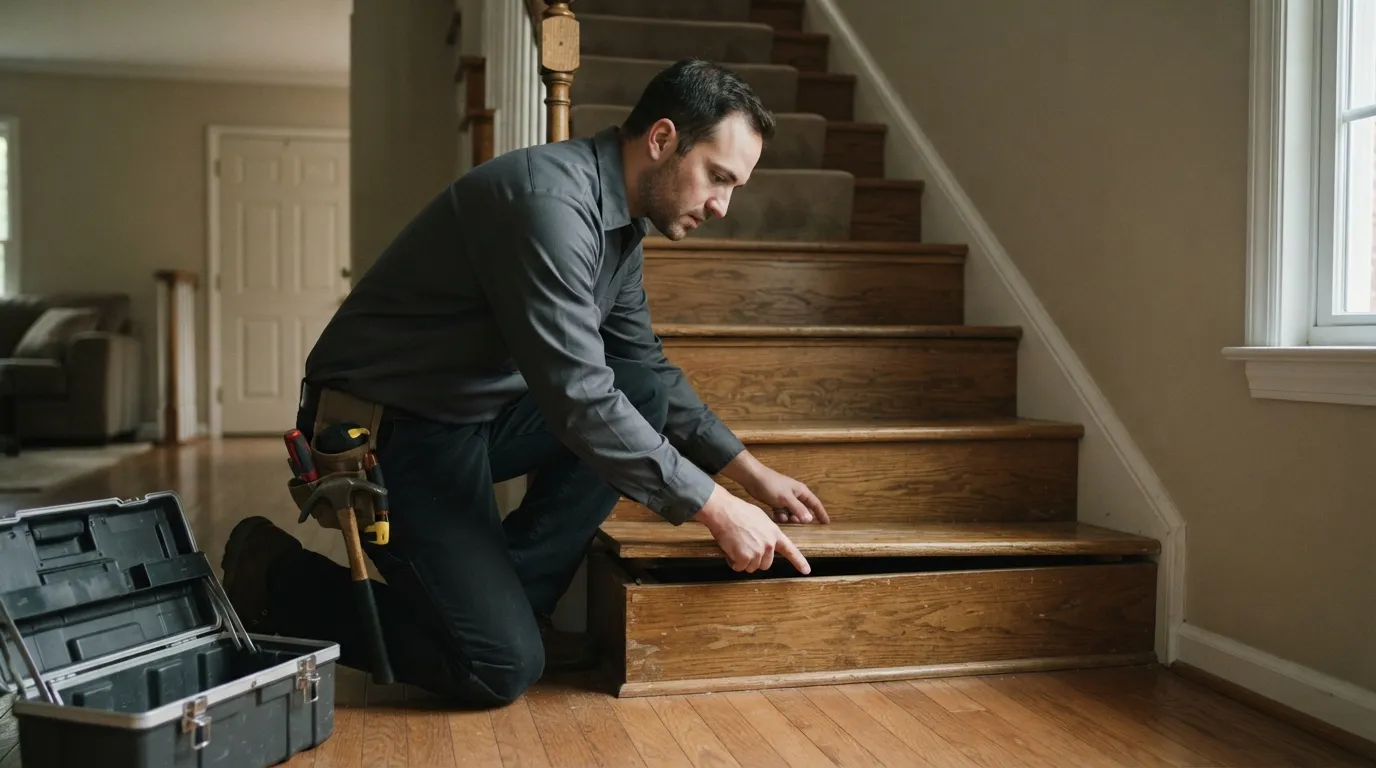
Stairs are next. Loose treads and missing handrail returns are common failures. A small visit can tighten treads, add non-slip nosing, and re-secure the handrail where it meets the wall. When a stair project grows beyond a few tightened screws, it is usually because the stringer or the landing is out of square. That escalates the work, so the aim is to catch loose components before the fix becomes a framing job.
In the bathroom, small, well-chosen changes give the largest usability gains. A solid shower seat, a hand-held showerhead, and a well-secured grab bar make bathing safer without wholesale demolition. Where the finish is already sound, choose removable or minimally invasive anchors for grab bars so the wall behind can be assessed before heavy work begins. When the floor or substrate is soft, the job pauses for an inspection. A hand-held shower and a seat will often restore independence while a larger repair is scheduled.
Lighting is often overlooked. Add task lighting at switches and along routes used at night. Replace bulbs with higher CRI and warmer color when glare is a problem. Motion-sensing or push-button night lights in hallways and bathrooms give immediate benefit and are simple to install.
Small door changes matter too. Widening a door is a larger alteration, but swapping the swing direction, trimming a sticking jamb, or adding lever handles often solves access problems without a contractor visit that requires heavy demo. These smaller fixes are what keep a house usable while you budget for bigger changes.
When you decide what to do first, ask whether the change helps a routine or only one task. Fixes that improve the route between bed, bathroom, and kitchen are the highest value. Keep a short list of the next two jobs so the work can be phased without losing the safety gains you just made.
What a handyman estimate is actually made of
A written estimate is a record of inspection, assumptions, and price. It should say what was inspected, what the proposed work covers, what it excludes, and how the quote will change if the site is different than observed. Treat the estimate as a contract draft. If details are missing, ask for them in writing before work starts.
Most quotes start with an inspection line. The inspector writes where they walked, what they tested, and which measurements they took. That short paragraph explains later why a permit might be mentioned, why a subcontractor was ordered, or why material lead times affect the schedule. If the inspection description is absent, the estimate is hard to compare with others.
Materials are listed next. A clear estimate names the type and grade of finishes to be used, where possible. For example, an estimate for a bathroom grab bar job might note the bar size and mounting method. For floor or tile work the estimate should identify the tile size range and the underlayment approach. A vague line that reads only as “materials included” is a prompt to ask what exactly is being supplied.
Labor is the next piece. A thoughtful quote separates the time to prepare, the time to install, and any testing or cleanup time. It will indicate whether the work is billed by the hour or as a fixed price and whether multiple trades are anticipated. If a subcontractor, such as an electrician or plumber, is needed, the estimate should say whether their fee is included or will be invoiced separately.
Permits and inspections must be named when they are likely. The estimate should identify who will apply for permits where required or whether the owner is expected to obtain them. When a permit is required the quote will often include a line for permit fees and a note about expected inspection steps. That information saves a later disagreement about who handles paperwork and who arranges inspections.
Contingency and allowance lines are normal. An allowance is a placeholder for an item not yet selected, such as tile or a grab bar style. A contingency is a budgeted amount to cover unknowns uncovered during work. Both should be explained. Ask whether the contingency is a holdback deducted from the final invoice or an estimate level meant only for planning.
Scope exclusions are as important as inclusions. A good estimate will say what the crew will not do. Examples include hidden rot discovered in the backing behind a wall, electrical panels that need upgrade, or floor substrate that must be replaced. When exclusions are explicit you avoid surprises and you can get those items quoted separately.
Compare quotes by lining up these parts. Read each estimate and mark where the inspection differs, where materials are unspecified, who is pulling permits, and whether the work is priced as a lump sum or hourly. When an estimate is short on details, ask the contractor to add them. A clear estimate turns the conversation you will have on site into a paper trail you can both follow.

Permits, who pulls them, and when they matter in Montgomery County
Permits are triggered when work changes the structure, affects electrical or plumbing systems, or alters egress. In Montgomery County, small accessibility projects often sit close to permit thresholds. A grab bar alone, mounted into tile with proper anchorage, may not require a building permit. A bathroom rework that moves plumbing fixtures, changes walls, or alters shower enclosures usually does.
When you plan a small remodel, start by asking the contractor how they handle permits. The estimate should say whether the contractor will file for the permit or whether the homeowner will. If a contractor offers to pull permits, the estimate should include the permit fee as a separate item or note that the fee is billed as incurred. If a permit is required and not applied for, the work may face inspection issues later if you try to sell the house.
Certain categories commonly require paperwork. Any change to a home’s electrical panel, circuit layout, or to plumbing lines beyond swapping a fixture typically needs a permit and an inspection. Structural changes, such as cutting a lintel or altering a bearing wall, are definitely permit work. Projects that add square footage or change the use of a room, like converting an enclosed porch into a bathroom, trigger a plan review and permit process.
Expect simple permit workflows for many accessibility projects. A contractor who understands local practice will know which filings are fast and which require detailed drawings. When the job is small the permit review is often straightforward and can be handled on the contractor’s schedule. For larger scope changes, allow time for plan preparation and review. That is the reason to get an early answer from the person who will do the work.
Keep documentation. When a permit is pulled, ask for a copy of the permit card and the inspection schedule. The inspection record is useful for landlords and future buyers. If a handyman does not pull permits and you are asked to, check that the inspector’s requirements are feasible for the work planned. Sometimes a simple design change keeps the job permit-exempt, and other times the permit is unavoidable.
If you manage rental properties, standardize how permits are handled. Decide whether you or your contractor will apply, and make that decision part of your turnover checklist. That clarity prevents disputes about responsibility when a work order grows beyond a quick repair.
Scheduling, arrival, and what to expect on the job
A clear schedule starts with the inspection. The inspector confirms access, measures, and lists any items that will need more than one visit. Ask at that time how the work will be phased. Small accessibility jobs are often done in a single visit, but any job that discovers hidden rot, failed backing for a grab bar, or an out-of-square threshold will need follow-up.
When the crew arrives, expect a short briefing. The person in charge should explain who will be on site, the day’s scope, and where they will store tools. That conversation sets expectations for noise, access to utilities, and how you should move through the house while they work. If pets or medication schedules are relevant, mention them at the start.
Scope changes happen. If workers find a problem that changes the price or the time, they should stop and present options. A good approach is to document the discovery with a photo, outline two or three ways to proceed, and give the expected cost and time for each option. That lets you choose how much work you want done now and what can wait.
Cleanup and documentation matter as much as the work. The crew should remove debris, sweep the immediate area, and leave an itemised note of what was done. For landlords, this note should be recorded with the work order. If the work involved a permit, the crew should leave any inspection results or the next inspection date.
Payment terms should be listed in the estimate. Ask how staged payments are handled if the job spans multiple visits. For small accessibility jobs, a single invoice at completion is common. For larger remodels they may ask for deposits. Confirm these terms before work begins to avoid last-minute disagreements.
Simple maintenance that keeps older houses safe longer
Recurring maintenance keeps small problems from becoming big ones. Set a short, seasonal list and share it with whoever handles repairs. For landlords, add these items to turnover checklists so apartments do not decline between tenancies.
Handrails and stairs, checked twice a year, rarely need more than tightened fasteners and a wipe to remove grit that abrades finishes. Look for looseness at posts and the handhold’s connection to the wall.
Dryer vents need attention. Open the vent connection and pull lint away from the transition. If the exhaust path runs a long distance, have a professional inspect and clean the duct periodically. This reduces fire risk and keeps dryers efficient.
Paint and patching protect woodwork and prevent rot. A small chip or delamination rarely heals itself. Repaint exposed trim and patch where paint is missing to keep water from reaching the substrate.
Fence and gate upkeep is easy to miss. Check posts for rot at the ground line and fastenings for loosening. A firm post and a level gate keep water from pooling and wood from warping.
Lighting and switch reach are simple fixes that pay off nightly. Replace bulbs that glare or leave shadows, and add night lights where trips happen. For people with limited reach, swap round knobs for lever handles and move a frequently used switch within easy reach if wiring permits.
For rental properties, document these tasks and set reminders. Tenants and property managers will both benefit when small jobs are always done before they become emergencies. A maintenance plan keeps the property safe and reduces the total time spent on repairs across the year.
How to move from inspection to the next conversation
After an inspection you should have a short list of prioritized items, an estimate that names materials and permits, and a suggested phased plan. Use that plan to decide the next appointment. If you manage multiple units, group similar small jobs to reduce travel and downtime.
Ask the contractor for three things in writing: the inspection notes, the itemised estimate, and the proposed schedule. That paper trail makes it easy to compare bids and to check that the work done matches what was promised. When permits are needed, include who will file them and what inspections are expected.
If you want a local reference for ongoing work, look for a page that describes service areas and commercial options for landlords. For information on coverage across neighborhoods, see our service areas. If you manage multiple units and need tailored turnover work, consider our commercial handyman for property managers. For homeowners in Silver Spring seeking neighborhood-specific help, find details for handyman work across Silver Spring neighborhoods.
When you are ready, set the next step. Schedule the highest priority visit first. Keep the inspection notes and use them to check the final invoice. That process makes sure the small changes you invest in now continue to pay off for years.
Frequently asked questions
What is the most profitable handyman job?
Profitability varies with skill and overhead. Jobs that combine a trade skill with low material cost, such as carpentry trim or installing grab rails and handrails, often yield the best margin because the work is specialized but does not require expensive parts.
What website should I use to find handyman services?
Start with local service pages and the contractor’s own site to read what they offer and how they describe their service area. For wider searches, use a directory that lists local handymen and includes contact details so you can compare inspections and written estimates.
Is a handyman cheaper than an electrician?
A handyman can handle many small electrical tasks, but licensed electricians are required for panel work, new circuits, and code-mandatory changes. For safety and compliance, choose an electrician when the work affects the house wiring beyond swapping a fixture.
Can a handyman handle regular maintenance for rental properties?
Yes, many handymen provide recurring maintenance and turnover work for landlords. Agree on a written scope, priorities, and how permits are handled before you start to keep records consistent across units.
