

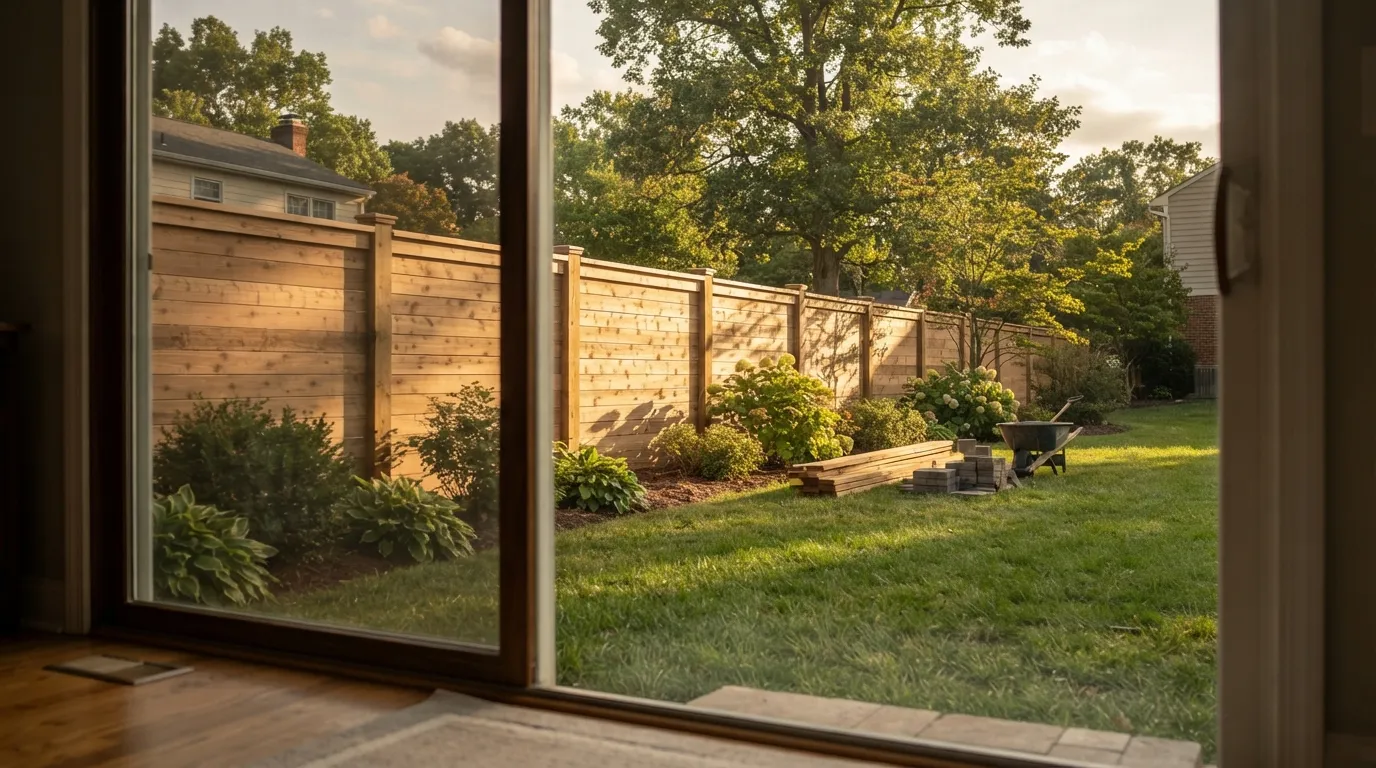
How a privacy fence changes your yard
If you are asking about the best fence material for privacy, start with what a privacy fence actually does for your yard. A privacy fence cuts sightlines so you feel less overlooked, and it can also make the yard feel quieter and more separate from the street. Your fence becomes part of the house’s first impression, so how it looks matters as much as how much it blocks. Think of the project as changing how the space feels day to day rather than just adding a barrier.
A good privacy fence gives you three things at once: visual screening, a defined edge between properties, and a surface you can use for landscape or shade. Those three results let you plan placement and height before you choose material, because the material you pick will change the look, the maintenance you will do later, and how well the fence performs for noise and screening.
Material-by-material trade-offs
When you narrow materials, compare what each one actually gives you for screening, how it will look over time, and what its typical drawbacks are. Here are the common options and the trade-offs that decide which one fits a particular yard and lifestyle.
Wood
It is easy to build in tall, solid panels that block sightlines completely. Appearance is a strong selling point: you can paint or stain to match your house or landscape. The trade-offs are that wood shows weathering and needs periodic attention to keep the boards tight and the color fresh. If your yard has heavy shade or persistent damp, some woods can show mold or rot sooner and you will need to check fasteners and posts more often.
Vinyl
The surface is easy to clean with a hose or pressure washer and you will not need paint. Vinyl’s look can be more manufactured than wood, which some homeowners like and others do not. Because panels come in set sizes, working around slopes or odd corners can require trimming or custom posts to keep the top line straight.
Composite
It uses recycled plastics and wood fibers to make planks that resist splitting and rot better than raw wood. Composite keeps its appearance longer than untreated wood, but it can still fade and it sometimes shows streaking where water runs. Composite is usually heavier and less flexible at the post line than wood, so expect installation details to differ.
Metal options (aluminum, steel)
You can get privacy from metal if you pair it with slats or attach solid panels, but those add complexity. Metal is long-lived and holds a finish well, but it gives a very different visual effect from wood, vinyl, or composite. If the priority is a clean, modern screen and you are willing to accept the metal look, the material can perform well for years.
Masonry and stone
A masonry wall or stone fence is the most permanent route to screening and sound control. Masonry gives a heavy, solid barrier that blocks sightlines and makes a strong visual boundary. It requires substantial footings and local permitting more often than lighter fence types. The trade-off is permanence: a masonry fence is costly to alter once built, but it lasts far longer than a wood or vinyl alternative.
How the material affects neighbors and dogs
If you have a dog or regular foot traffic through a fence, you need to think about gaps, footing, and chew resistance. Solid panels are best at keeping sightlines blocked for both people and animals. Some materials accept attachments like lattice or planter boxes better than others, so pick the material that fits the way you want to use the fence face.
How choice changes with appearance goals
If your priority is a natural look that ages in place, wood or masonry will deliver that visual warmth. If you want a low-effort clean finish, vinyl or certain composites will hold color and require less frequent attention. If the landscape is modern or industrial, metal can be the best match. The right material depends on how you want the yard to look in five years, not only how it looks on installation day.
Which materials need the least upkeep
Upkeep breaks down into three visible tasks: cleaning, checking structural connections, and renewing finish. Knowing which materials ask for which tasks helps you plan the time you will spend after installation.
Vinyl and metal require the least routine surface care. Vinyl cleans with water and a mild detergent and will not need paint or stain. Metal finishes resist rot and insect damage and usually need only an occasional wash and spot touch to avoid corrosion where the coating fails.
Composite reduces the chores of raw wood because it resists splitting and rot. It still benefits from periodic cleaning to remove dirt and mildew in shaded areas. Composite panels can show surface wear or fading over time, so you will check for visual changes rather than structural ones.
Wood demands the most visible upkeep. You should expect to check fasteners, look at posts for soft spots at ground level, and repaint or restain the face and rails as the finish weathers. If a board splits or a post softens, a local repair can extend the life of the line without rebuilding the whole run.
Masonry and stone have low routine maintenance once installed, but when repairs are needed they are more involved. Cracked mortar, loose units, or settling require specialist repair rather than a quick board replacement.
What “low upkeep” really means
Low upkeep does not mean zero upkeep. Every fence needs inspection, hinge lubrication on gates, and attention at the ground line where water, soil, and plant growth meet materials. Choose the material that matches how much time you are willing to spend checking fasteners and finishes over the years.
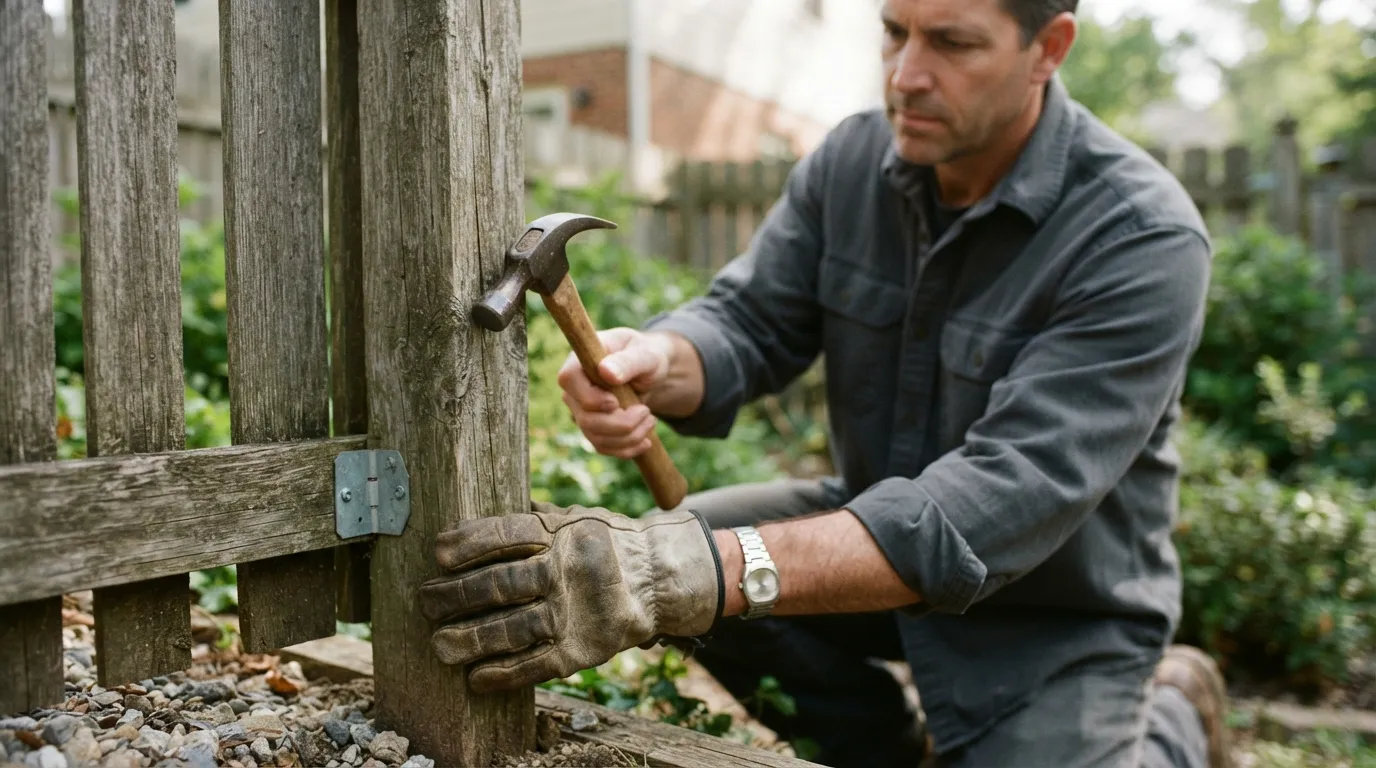
What actually reduces noise, not just sightlines
A privacy fence that only blocks sightlines will not always quiet a busy street. Sound travels differently from sight, and some construction choices make a measurable difference in how much noise you hear on the other side.
Mass matters. Heavy, dense materials like masonry slow sound transmission more than thin materials. A solid wood fence will block more midrange noise than a standard slatted metal fence because there are fewer gaps and more mass to absorb sound. Adding mass to a panel, for example by using thicker boards or a double-layer construction with an air gap concealed between faces, will reduce how much street noise enters the yard.
Sealing joints and avoiding gaps is important. Sound finds weak spots where boards meet or where the fence meets the ground. A continuous solid face from top to bottom reduces sound leakage. Where you cannot extend a wall to grade, adding gravel or a low concrete sill can reduce the gap under the bottom rail and cut one place sound gets through.
Orientation and landscape help. A fence placed close to the source of noise helps, and planting dense evergreen hedges in front of a fence adds absorption and scattering. The fence and planting together work better than either alone because foliage breaks up sound waves before they meet the fence surface.
Construction details change performance. Post spacing, the stiffness of rails, and how face boards are attached determine how the fence vibrates and transmits sound. A rigid, well-braced panel transmits less vibration and so moves less sound into the yard than a loose panel that can rattle.
If noise reduction is a main goal, treat the fence as part of a system: choose heavier materials where possible, seal gaps, and combine the fence with planting to get the quieting you want rather than relying on sightline blocking alone.
Permits, HOA rules, and site limits to check first
Before you pick materials, check the local rules that decide what you are allowed to build. Permits, setback rules, HOA covenants, utility locations, and shared boundary questions all change what is possible on a lot and what materials will be practical.
County and municipal permits often set maximum heights and require drawings for masonry or tall retaining walls. If your yard sits on a slope, the local building department may expect stepped panels or separate permits for footings that go deeper than usual. HOA covenants sometimes specify allowed materials, colors, and the look of a fence face, so review the covenant before choosing a finish if you are in an association.
Utility locates are essential. Underground utilities run along lot lines and under yards, and you must have them marked before putting in posts. A buried line can force you to move a post or choose a different anchoring method; in tight areas, a sleeved or surface-mounted post system might be needed.
Shared fences require agreement. If a fence sits on a boundary you share with a neighbor, confirm who owns the line and whether you need their permission to erect a new panel or change the face. Most disputes are avoided by talking to neighbors early about height, style, and any planting that will change sightlines.
Check for local slope issues and drainage. Material performs differently where water flows along the line. Wood shows problems where water dams at the base; vinyl can stand above splashing if detailed correctly; masonry needs positive drainage to avoid freeze damage at the footing. These site conditions often decide whether a light post system or a poured concrete footing is the better long-term choice.
Finally, plan for gate width and location in the permit and design stage. Gate hardware, how the gate swings, and how the ground under the gate is finished are frequent reasons for delays in both permitting and build.
Practical installation decisions and budget questions
Two kinds of choices most strongly affect the price and future performance of a privacy fence: what you put below ground and how you space and brace the posts. Those decisions are driven by soil, slope, and how permanent you want the fence to be.
Post type and footing method
If the site has stable, well-draining soil, a common approach is to set wood posts into concrete footings. On very rocky ground or where you must avoid deep digging for utilities, a driven metal post or a surface-mounted post on a concrete pad might be the alternative. The deeper and more robust the footing, the less likely posts will lean over time, especially on slopes or in freeze-thaw climates.
Post spacing and panel size
Wider panel spans use heavier rails or stronger posts to avoid sagging. Tight post spacing with shorter panels gives a stiffer wall that resists wind and climbing pressure better, but it uses more posts and so increases labor and materials. Narrow lots, long runs, and windy sites will usually push designers toward closer spacing and stiffer construction.
Gates and hardware choices
Wider gates need stronger hinges and often a post with extra bracing. If you want a paved driveway gate or a service gate that opens frequently, choose hardware sized for the movement you expect rather than a standard residential hinge.
Handling slope and stepped runs
On a slope you can either step the fence so each panel sits level with a short post run, or you can use a routed or custom-cut panel to follow the grade. Stepping is easier for installers and usually cheaper; continuous panels cut to grade give a cleaner line but add time and waste on a build. The choice affects how each material looks when finished. Some preformed panels do not adapt well to steep slopes and will need custom work.
Finish options and add-ons
Finishes such as paint, stain, or sealer change the look and the upkeep schedule. Adding a cap, trellis, or decorative post top raises the visual profile and the labor involved. Structural add-ons like a concrete curb under the fence for insect and water control require extra excavation and materials.
How to get clearer local estimates
When you call for an on-site quote, ask the contractor to show where posts will go, describe the footing method, and list the finish and hardware brands they plan to use. A clear estimate explains how the installer will handle slope, drainage, and gate width rather than only listing a per-foot line item. That detail is what separates a rough idea from a realistic local price in your neighborhood.
- Post type and footing method
- Post spacing and panel size
- Gate width and hardware
- Slope handling and stepping method
- Finish and accessory choices
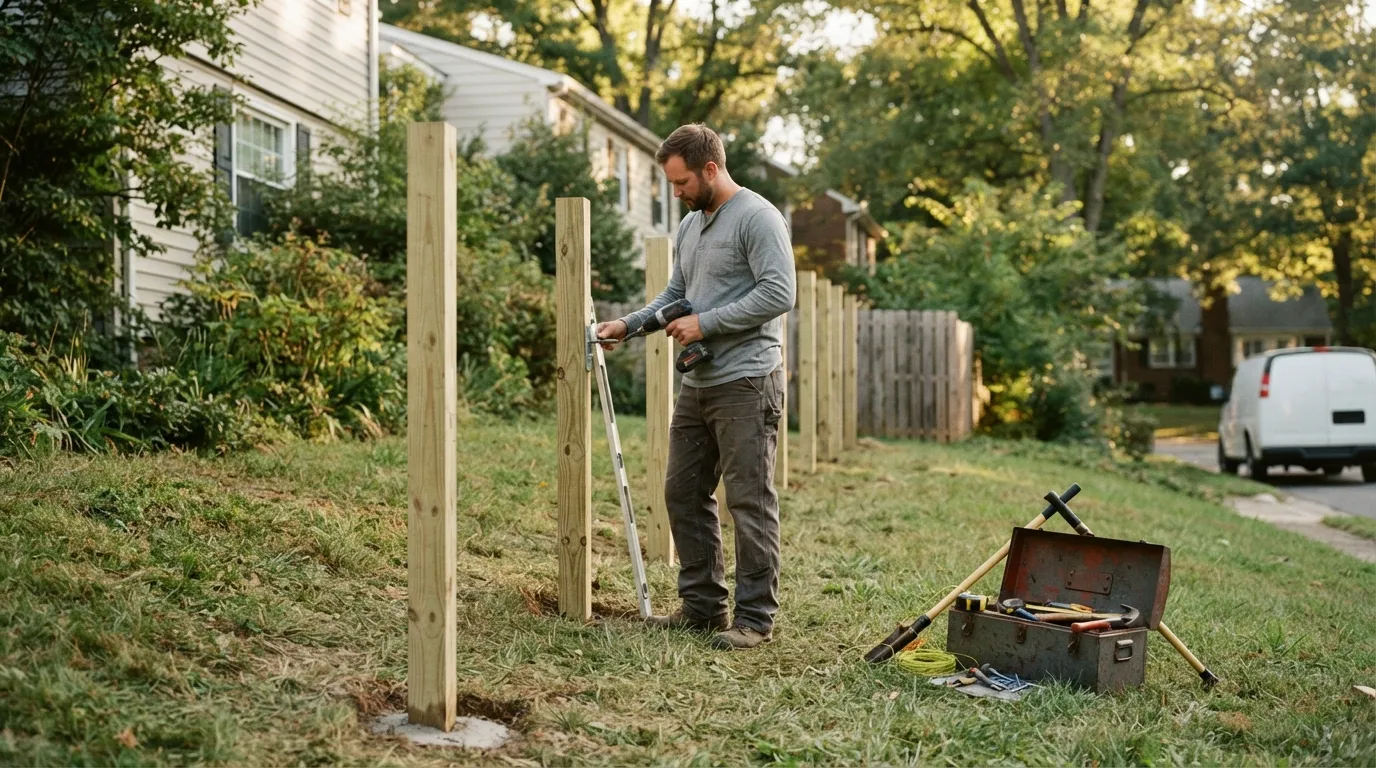
Routine maintenance that keeps privacy intact
A simple seasonal checklist keeps a privacy fence doing its job and avoids small problems becoming replacements. Inspect the line, tighten or replace fasteners that have loosened, clean panels, and touch up finishes where needed.
In spring, look for winter damage: loose caps, cracked boards, and posts that show soft spots at the base. Cleans the fence face of winter grime and check gate operation after the ground settles.
Fasteners that were tight in spring can loosen with heat and movement; a quick pass with a screwdriver or socket saves rattling later.
If you use a sealer or stain on wood, autumn is the time to decide whether the face needs another coat before winter. For vinyl and metal, wash the panels and inspect for impact damage.
Every few years, walk the run looking at post alignment and panel straightness. Correct small lean or settle early with repair plates or a replaced post rather than waiting until a whole section needs removal. Routine attention keeps the screening continuous and prevents the gaps that destroy privacy.
How a local handyman can handle selection and installation
A local handyman or contractor can help you turn the decisions above into a plan you can build. Start with an on-site visit where someone measures the run, notes slope and drainage, and identifies buried utilities to avoid when setting posts. A clear visit will also place gates where you want them and show how material choices change the look on your house.
Ask the person providing the visit to explain the proposed post method for your soil, how panels will be braced, and what the gate hardware will be. Those are the things that most affect long-term performance and local cost, and they are the parts you should see on a written quote.
If you need help checking rules, ask for guidance on permit requirements and any HOA process you must follow. A quote that lists the permit step and who will pull the permit avoids surprises later.
The next step after an on-site visit is a written estimate that lists the panel type, post method, gate details, and reasonable timing for the work. When you have that, you can compare options on the same terms and make the choice that matches how you want the yard to look and how much upkeep you are willing to accept.
If you want to read more about when a lot needs a particular privacy approach, see our page on privacy-style fence installation for residential lots.
Frequently asked questions
How do I block neighbors’ view of my yard?
To block neighbors’ views choose a solid-face fence that runs continuous from the top rail to near ground level and avoid widely spaced pickets. Consider adding evergreen planting in front of the fence to increase screening and soften the look while also reducing sightlines over time.
What are the downsides of composite fencing?
Composite reduces splitting and rot compared with raw wood but can still fade and show streaking where water runs, so it needs cleaning from time to time. It is heavier and sometimes less flexible at post lines, so installation details differ and you should confirm how posts and rails are handled.
What is the best natural privacy fence to use?
A natural wood fence or a dense living hedge gives the warmest natural look; wood accepts stain or paint so you can match the house. Remember that wood requires more visible upkeep than synthetic options, and plantings need maintenance and space to thrive.
What site checks should I do before ordering a fence?
Check county permits and any HOA covenants for height and material limits, have underground utilities located, and confirm property lines with neighbors when the fence sits on or near a shared boundary. Also look at slope and drainage, because footing depth and panel method can change with site conditions.
