


Quick view: what local pages say they cover
If you searched for “handyman silver spring reviews” you want local feedback and a clear sense of who works where. Directory-style listings tend to show the range of services offered. For example, they list kitchen work and dryer vent cleaning rather than a compiled set of customer reviews.
Local listings are where to start when you want to know whether a provider comes to your street, but those pages often read like a menu of services and a service area map rather than a clear catalog of verified customer reports. The next step for you is to move from broad coverage statements into review evidence. Look for dates, photos of finished work, and specific notes about punctuality, communication and cleanup.
What reviewers and listings usually leave you with
The pages that rank for this search are mostly brief promotional or directory-style entries. They often do not give a reader an aggregated, independent picture of customer experience. That gap is useful to know. If a listing emphasizes service area or a marketing headline, there may not be a single place collecting recurring praises or complaints for you to read.
When you do find customer feedback around Silver Spring, focus on a few repeat themes rather than star counts. Look for mentions of workmanship and whether the finished job needed touch-ups. Also note how the crew treated the home and whether small problems were fixed promptly after completion. Also pay attention to notes about communication: did the person who wrote the review explain how scheduling, delays and changes were handled?
Reviews that matter say something specific. The most useful comments describe the exact task. For example, a kitchen cabinet repair or a drywall patch. They say what went wrong, if anything, and whether the final result matched what was agreed. Vague praise or a single-sentence five-star rating is less helpful than a review that names the issue and how it was resolved.
Be wary of listings that present only short blurbs or recycled marketing language; those pages often list services without evidence of repeat customers. Directories list what a provider claims to offer. They do not always show whether those services were actually delivered to local homeowners on time and cleanly.
If you find photos beside reviews, prefer images that show the work before and after rather than staged vanity shots. Real before-and-after photos let you judge the quality of finishes, matching and fit. They also show whether the work looks like a thoughtful repair instead of a quick patch.
How to verify a review and spot fakes
A quick checklist keeps you from trusting every five-star entry. First, check where the review appears and whether the platform allows identity verification, photos and follow-up comments. Reviews on a single directory are useful. But the strongest signal is a pattern that appears across more than one source. Look on independent directory listings, community forums, and sites that allow photo uploads.
Second, read the review’s language. Real customers tend to describe the problem and the outcome. Look for details such as tools used, parts replaced, and how long the job took. Also note any additional work, the reviewer’s description of clean-up, and how the crew protected floors and furniture. Short, generic sentences that could fit any job are a weaker signal than a step-by-step description.
Third, check the timeline in the review. Genuine reviewers will often mention dates or a sequence: when they requested the visit, when the crew arrived, and when follow-up happened. If every review is posted within a single short period and all use similar wording, be cautious. Treat that as a reason to dig deeper rather than take the ratings at face value.
Fourth, match names and photos. When a review names the person who visited, or when the reviewer responds to a comment, it strengthens the entry’s credibility. Photos that actually show the problem area and the finished work are more reliable than promotional images attached to reviews.
Fifth, look for evidence of follow-up. Real repair work sometimes needs small corrections. Reviews recording whether an issue was corrected after the initial visit show how a provider handles snags. This matters more than whether they only look good in a single visit.
Finally, favor reviews that balance praise and criticism. A detailed mixed review is often more credible than a stream of uniformly perfect praise with no nuance. Use all of this together. Look for a high rating plus multiple detailed reviews across platforms before you rely on online opinion.
What affects price and how long jobs really take
When you ask for a quote, the number a provider gives is a function of several practical things you can check before the visit. The single best way to avoid surprises is to know what pushes a job from a short visit to a multi-day project.
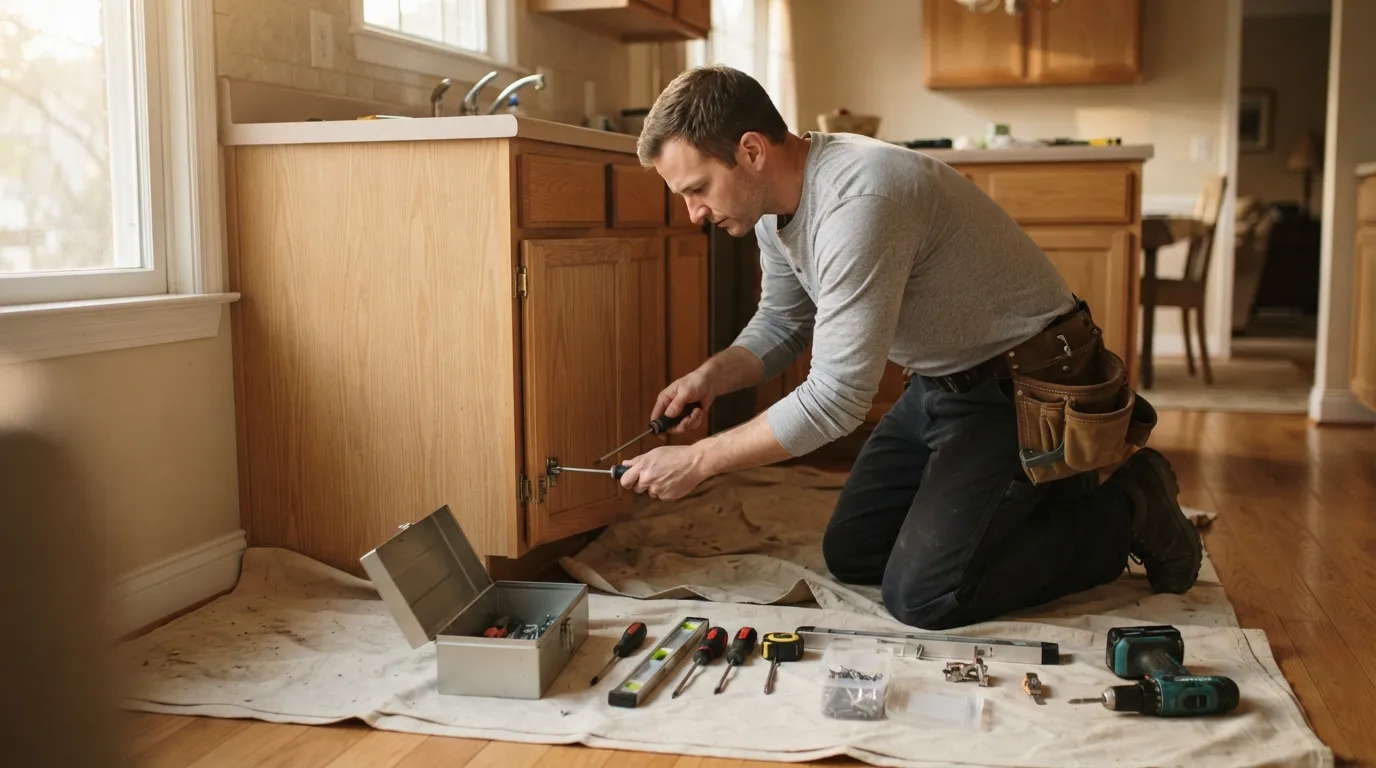
Scope is the first driver. A small drywall patch takes far less time and material than replacing damaged drywall across a whole room. Swapping a loose faucet is a different order of work from reconfiguring plumbing for a new vanity. When you describe a job, be precise about whether you want a single repair, a cosmetic refresh, or a more extensive remodel. Quotes that shift dramatically from the first estimate usually mean the scope was not defined.
Access matters next. Work that is tight to reach, high on a ladder, hidden behind cabinetry, or requires moving appliances will add time. If a unit must be emptied, expect the estimate to reflect that extra labor. Also expect extra labor if a crew needs to remove molding or trim to reach the problem. Safe, clear access speeds the job; blocked access slows it.
Materials and finishes affect both the price and the schedule. Standard replacement parts are quick to source; custom finishes or hard-to-find materials lengthen lead times and add cost. If you have a specific brand, color match, or finish in mind, say so at the estimate stage so the quote includes part lead time.
Permits and inspections change the timeline. Any work that alters wiring, plumbing or structural elements commonly triggers permit requirements and inspections, which add administrative steps and waiting time between phases. That process can affect when the job starts and when it is signed off.
Condition of the existing work is another frequent surprise. Hidden damage—rot behind trim, rusted fastenings, or degraded backing—means the technician will need to widen the repair, bring different materials, or schedule follow-up visits. A thorough pre-visit inspection reduces the chance of this, but it cannot always reveal what lies beneath a finished surface.
Who does what also changes duration. If a job needs a licensed trade for final connections, the timeline may include an extra visit by that trade or by an inspector. Subcontracted work can lengthen scheduling windows, even when the technician managing the job is prompt.
Finally, cleanup and final checks are part of the job’s time. A careful crew will protect flooring and furniture, remove debris and leave the workspace ready to use. When you compare quotes, ask how many visits are included, whether touch-ups are part of the price, and how final inspection and sign-off are handled.
All of these factors explain why two quotations for what sounds like the same job can differ considerably. A clear scope, unobstructed access, and agreed materials at the estimate stage are the single best way to keep both cost and duration predictable.
Questions to ask before you hire
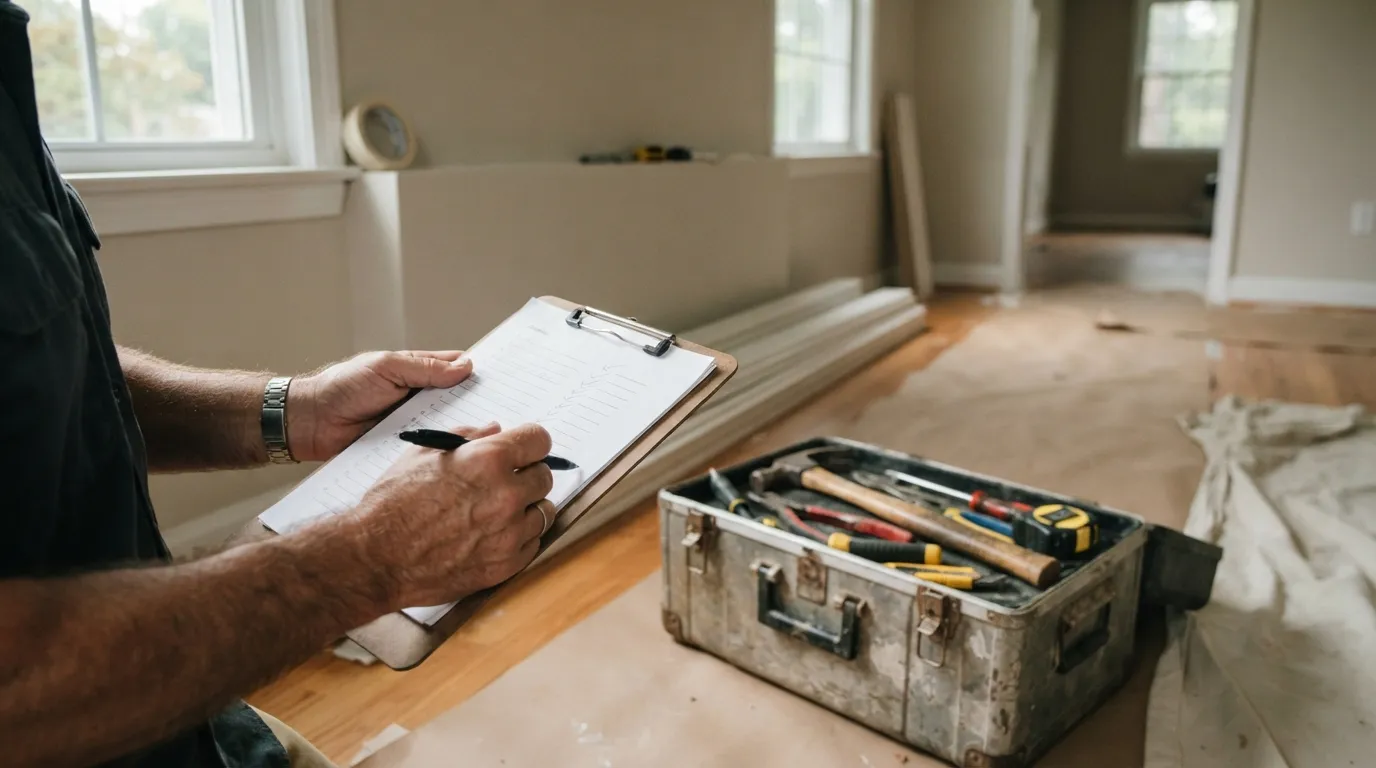
Don’t walk into an estimate with a checklist in your head; bring it on paper. Ask concise, practical questions and get direct answers you can compare across providers.
- What exactly is included in this quote and how many visits will it take?
- Who will do the work, and who signs off on any electrical or plumbing connections?
- Which permits or inspections will this job need, and who will arrange them?
- What are the payment terms and how are changes to the scope handled?
- How will the crew protect my home and what cleanup is included?
Make sure each answer is specific. If a provider says a job will be “done in a day,” ask what a day means for you. Ask what would make the job run longer. If the estimator will not do the work, ask to meet the technician who will attend your home. That gives you a clear contact for questions and follow-up.
Bring photos and measurements where possible. A short video of the problem area answers more questions than a two-sentence voicemail. It also helps whoever produces the estimate understand access and parts needed. Finally, keep the written estimate: a short, itemised quote makes it easy to compare materials, labor and expected visits between providers.
Permits, inspections, and when the county gets involved
A common source of schedule and cost surprises is permitting and inspection. In Montgomery County many remodel-style jobs or any work that alters plumbing, electrical or structural elements typically involve a permit and an inspection. That administrative layer adds time between permit application and the inspector’s sign-off, and it can add direct fees and paperwork to the project.
Simple handyman repairs—patching drywall, fixing a loose stair tread, replacing a faucet cartridge—often do not trigger a permit. But when the job steps into replacement that changes pipe layout, alters circuits, or involves wall removal or significant framing, plan on permitting. Kitchen and bathroom remodels are classic examples where permit rules frequently apply. Those projects can change plumbing and wiring and sometimes change the room’s layout.
Who pulls the permit matters. Some homeowners choose to have the contractor handle the permit application and schedule inspections. Others prefer to file the permit themselves so they retain direct access to inspection records. Either way, ask in advance who will be the permit applicant. Also ask how inspection visits are scheduled so you can factor the timeline into your plans.
Expect inspections to impose pauses between stages. An inspector might need to see rough plumbing before drywall is closed, or inspect electrical changes before fixtures are installed. Those visits are not a sign of poor planning; they are part of the county process that protects safety and ensures code compliance.
If you do not want to manage permits, ask at the estimate how the provider handles them. Written estimates that itemise permit responsibility and who arranges inspections reduce misunderstandings. Also ask whether the quoted timeline allows for inspection windows and common local delays. Do not assume work will finish immediately after the crew’s last scheduled visit.
How to write a useful review after the job
A clear, specific review helps others and helps tradespeople improve. Start by naming the task, the dates of the initial visit and any follow-ups, and what was agreed at the estimate. Note whether the work solved the original problem and whether any additional issues were found and handled.
Describe the quality of the finish: did fittings sit flush, were paint matches consistent, and was trim replaced neatly? Mention how protective measures were handled—did the crew lay down covers, move furniture safely, and remove debris? If corrections were needed, say how quickly they were completed.
Include a photo or two that show the problem before the repair and the result afterwards. Before-and-after images are the most helpful evidence for future readers because they show what the work achieved instead of relying on a summary sentence.
Balance praise with facts. If everything went well, say so and explain why. If something was disappointing, describe the issue and whether it was fixed. This kind of feedback makes your review useful to both homeowners choosing a provider and to the technicians who want to improve their service.
End with a short recommendation aimed at readers like you: what kind of job this provider is right for and which jobs they should avoid. That helps the next person decide whether to call for the same kind of work.
Frequently asked questions
What is a fair price to pay a handyman per hour?
There is no single fair hourly price that applies to every job. Costs are driven by the scope of work, access, materials, and whether permits or specialist trades are required. Ask for an itemised estimate so you can compare labor, parts and visits.
How can I tell if a handyman review is real or fake?
Look for detailed, specific language, photos that show the before and after, and a consistent pattern across more than one platform. Reviews that name dates, describe the problem and note follow-up actions are usually more reliable than short, generic praise.
Do I need a permit for this kind of repair in Montgomery County?
Simple repairs often do not need a permit, but work that alters plumbing, electrical or structural elements commonly does and will require inspections. Ask who will arrange permits and how inspection timing affects the project schedule.
What should I ask during the estimate visit?
Ask what the quote includes, how many visits are expected, who will perform specialized connections, and who handles permits and inspections. Also ask how the crew will protect your home and what cleanup is included so you have a clear comparison between estimates.
