


What an hourly charge actually covers
When a handyman quotes an hourly rate they are selling time and the skills that time buys. That rate covers the person at work, the tools they bring to the job, and the direct labor you see while the task is being done. It does not automatically cover every possible cost that ends up on a final invoice.
You should expect an hourly bill to show at least these parts. First is the labor line. That is the worker’s time recorded in hours. Next are any materials that are consumed on the job. Some tradespeople list the materials as a separate line so you can see what you paid for the item and what you paid to fit it. Disposal of waste, specialist parts ordered to size, or rental equipment are normally shown separately as well. Travel time to and from the job, access charges for difficult sites, and minimum‑hour charges are also items that can be added to an hourly bill. Ask whether travel or a minimum applies before work starts.
There are also things an hourly rate usually does not include. Permits and the fees the local authority charges are outside the labor rate. Specialist inspections and third‑party testing are separate services. Large materials that the homeowner supplies, for example a vanity or a full kitchen cabinet run, are often handled outside the hourly arrangement and billed as materials or as a flat supply fee.
When you read a quote, look for how time is recorded. Is the worker rounding to the nearest hour, the nearest half hour, or using an on‑the‑minute log? That rule changes the final number noticeably. Clarify whether the quoted hourly rate applies only while someone is actively working or whether travel and setup count as billable time.
How national averages compare with state guides
Online price guides and industry resources often offer a headline number to help people set expectations. One such headline is a starting national average of $38 per hour reported by a nationwide platform. Use that as a starting point only. National figures mix urban markets, areas with lower labor costs, and places where different rules about licensing and permits change how the work is priced.
Single‑state or single‑city guides aim to reflect local realities. Those guides can add detail about local license requirements, the common practice for minimum charges, and which tasks local handymen routinely include in an hourly visit. A local guide will also note typical pitfalls that increase the bill in that state or county. Compare any headline number to the local advice and ask the simple question: what does that number include and what does it leave out?
If you use a national figure while budgeting, leave room for the usual local add‑ons. The drivers that move a headline number up or down are what matter. Use the figure as a conversation starter when you call for a quote so you and the tradesperson are talking about the same scope of work.
What makes the hourly rate go up
Several clear factors push an hourly rate higher. The first is the skill and license level needed. A routine paint touch up is different from electrical work that legally requires a licensed electrician to supervise. Even when the same person can do the job, licensed tasks carry extra cost for training, insurance, and compliance. Ask what licenses or qualifications apply to the task and whether those affect the quote.
Access and location are the next major drivers. Work that requires carrying tools up narrow stairs, working from a ladder, or manoeuvring through a tight hallway takes longer and comes with more risk. If a job requires packing tools in and out several times, expect the hourly effective cost to rise because time that looks like idle travel is part of the bill.
Complexity and unknowns push rates up too. A simple surface repair often reveals deeper problems when the area is opened up. Water damage under a bathroom fixture, hidden rot behind trim, or corroded fastenings require more time and additional materials. That is why many handymen bill hourly for initial discovery and then recommend a revised quote when the full scope is visible.
Materials and how they are supplied make a difference. Small consumables are often included in an hourly job. Large items, ordered‑to‑measure parts, or premium finishes are usually billed separately. If the tradesperson must source a rare part and return with it, the return trip and time on the clock increase the final bill.
Timing and scheduling also matter. Work booked at short notice, on weekends, or that requires the technician to rearrange a route may carry a premium. Finally, insurance, bonding, and the contractor’s overheads are built into the hourly figure. A lower headline rate can hide higher extra fees. That is why you should always ask for a list of what is included in the hourly price.
When you’ll be billed hourly and when a flat price makes sense
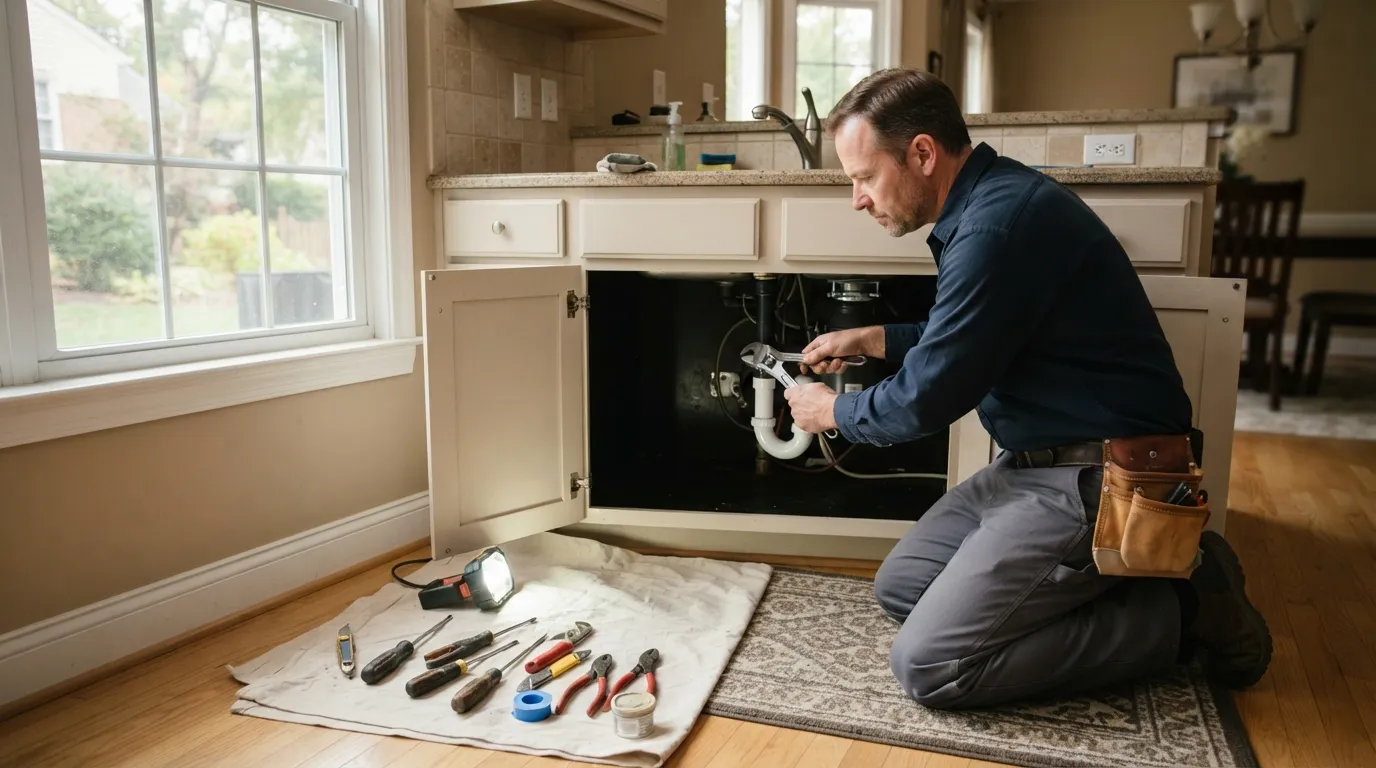
Hourly billing is best when the scope is uncertain. If you suspect hidden damage, need diagnostic time, or are asking for several small repairs across a house, billing by the hour gives the flexibility to respond to what is found. Hourly work also suits jobs that are genuinely short and simple when the tradesperson can finish in a single visit.
A flat price is better when the scope is clear and repeatable. Tasks with a fixed set of steps, known materials, and predictable durations lend themselves to a fixed quote. Replacing a specific fixture with a specified model, installing a pre‑finished shelf, or painting a room with defined preparatory work are examples where a flat price removes uncertainty for both sides.
Some jobs begin hourly and move to a fixed price once the discovery phase is over. A tradesperson may bill a short diagnostic period by the hour and then present a fixed price for the agreed follow‑up work. That approach keeps the initial risk transparent and gives you a choice once the true scope is visible.
Ask for both options when you call. Say whether you prefer the certainty of a fixed price or the flexibility of hourly billing. If you ask for a flat price, make sure the quote lists exclusions and specifies who supplies materials. If you prefer hourly, ask the tradesperson how they track time and whether there is a minimum call‑out charge.
How to get an apples‑to‑apples quote
Comparing quotes is only fair when they measure the same things. When you ask three people for a price, give each of them the same brief. That brief should list the task, the materials you will supply, the hours you expect to have someone on site, and any access constraints.
Use this checklist when you request a quote. It gives you the questions that make offers comparable.
- What exactly is included in the hourly rate and what will be a separate charge.
- Whether travel time, setup time, and return trips are billable.
- Minimum billing increments and any minimum call‑out charge.
- Who supplies materials and how materials will be charged or marked up.
- Whether permits, inspections, or specialist subcontractors are included or excluded.
- How time is tracked and what the invoicing schedule will be.
Ask for the answers in writing in a short email or text. A quick list you can read back makes it harder for two estimates to mean different things. If someone gives you a flat price, ask them to itemise labor, materials, and any exclusions so you can compare it to hourly offers.
If you want help checking credentials and cover, look for a local resource on licensing and insurance. You can also consult a page that explains how to find a company with the cover you need. That is useful when you are weighing whether to accept a lower headline rate that omits certain protections.
Local job scenarios and how to think about budgeting
Thinking in time rather than a single price helps you plan. Below are several common scenarios and the practical questions that change the amount of time a handyman will record on the job.
Small fixture swaps. Swapping a bathroom faucet, a light fixture, or a doorknob sounds quick. The unknown is the connection behind the fixture. Corrosion, non‑standard fasteners, and paint built up around screws add time. When you call, say whether you will supply the new item and whether access to shutoffs or electrical panels is obvious.
Patch and paint. Repairing a section of drywall and painting it blends several discrete tasks. Prep takes longer than people expect. Sanding, feathering edges, priming, and matching finish require time between coats. Ask whether the quoted time includes drying intervals or whether the tradesperson plans to return to finish the work.
Bathroom touch repairs. Bathrooms commonly hide water damage. A visible repair can uncover damaged substrate, mold, or rusted fastenings. If the bathroom has had previous repairs, tell the tradesperson. That heads off surprises and gives them a better idea of whether discovery time should be included in the initial visit.
Flooring repair. Small board replacement or refastening squeaky boards is straightforward when the subfloor is sound. Problems such as rot, uneven joists, or prior repairs that used incompatible materials extend the work. If you have unfinished wood nearby or a matching board, mention it when you call.
Door and trim adjustments. Doors that stick usually need planing, hinge adjustment, or recutting. If trim has been painted repeatedly to hide gaps, removing it carefully takes time. Tell the tradesperson if doors must be painted after fitting or if you plan to do the finish work yourself.
Multiple small jobs. Grouping several small tasks into one visit saves travel and setup time. A list of three to five small jobs is the kind of work many handymen prefer to book as a single hourly visit. Be explicit about the list when you get a quote so the time estimate covers the whole scope.
When you budget, think about the hidden steps. Travel, setup, traveling to buy a missing part, and permit paperwork are all time on the clock unless stated otherwise. Tell the tradesperson whether you are after a quick fix or a more durable long‑term repair. That choice affects how much time you should expect a pro to spend getting it right.
Questions to ask before you hire
Before you agree to a visit or a quote, use a brief checklist on the phone or in a message. Keep it short and cover the essentials so you can compare offers fairly. Ask whether the hourly rate includes travel time. Ask about minimum billing increments or a minimum call‑out charge. Ask who supplies materials and how material costs are shown on the invoice. Ask whether the tradesperson will need permits and who will apply for them. Finally, ask how they track time and how you will be invoiced.
If you want more detail on the kinds of jobs a local handyman typically covers, or to check how short visits are priced, consult a page that lists common services and what those jobs involve. If you prefer to focus on small, single‑visit tasks, look for a page that explains which small jobs are typically finished in one visit. If your priority is checking cover and licenses before you hire, see a resource that explains what to look for.
When you have answers to those questions you can compare quotes on the same terms. That removes most of the surprises on the final bill and keeps the decision about hourly versus flat price about the work, not the paperwork.
Frequently asked questions
What is a fair price to pay a handyman per hour?
A fair starting point is to treat national headline numbers as conversation starters. One widely published national starting average is $38 per hour. After that, adjust your expectation for local license needs, access difficulty, materials, travel time, and whether the work may uncover hidden problems.
Will an hourly rate usually include materials and travel time?
Not always. Many hourly quotes cover labor only and list materials, travel time, disposal and permit fees as separate charges. Always ask the tradesperson what the hourly rate includes and whether travel, setup, and return trips are billable.
When should I ask for a flat price instead of hourly billing?
Ask for a flat price when the work is clearly defined, the materials are known, and the task is repeatable. If the scope is uncertain or the job may reveal hidden damage, hourly billing for an initial diagnostic period with a later fixed quote often makes more sense.
How do I compare two quotes that look different on paper?
Compare the scope and the list of inclusions. Check whether travel time, materials, minimum charges, and permit work are included. Ask each tradesperson the same checklist questions and request their answers in writing so you can match terms line for line.
What should I ask during the first call to a handyman?
Ask whether the hourly rate includes travel time, what the minimum call‑out or minimum billing increment is, who supplies materials, whether permits are needed, and how time is recorded and invoiced. Those questions make quotes comparable and reduce surprises on the final bill.
