

How this article helps you decide what to do with your garage
If you are thinking about a handyman garage project, this page helps you choose what to do next. It also explains how to approach hiring someone for the work. We walk you through the main uses a garage can take. We cover the kinds of small jobs a handyman can handle. We show what a clear quote will include and when you should check permits with Montgomery County. The first paragraphs are aimed at homeowners, landlords and property managers who want a practical plan before they call a tradesperson.
You will get plain trade-offs, things that look finished but fail early, and the questions to take to your first estimate. We do not cover major roofing, full window replacement, large structural work, or full HVAC replacement. This guide focuses on repairs, storage, finishes, and the small upgrades that make garages useful again.
Choosing the garage’s primary purpose
Deciding what you want the garage to be is the single choice that sets almost every other decision. Will it be for parking, storage, a workshop, or a finished ancillary room? Each choice pushes you toward different upgrades, different levels of finish, and different ongoing costs.
If you want reliable space for a car, focus on the door, the opener, the floor condition and clear maneuver space. That means fixing door alignment, sealing gaps around the frame, and creating durable floor edges where you turn in and out. If you plan to park regularly, avoid overbuilding permanent shelving in the main aisle.
Choose storage as the main goal and the priorities change: secure, weatherproof cabinets, wall-mounted systems and overhead racks become more important than a high-polish floor. Storage-first works best when you need seasonal access and an organized layout; it often sacrifices some parking flexibility for higher usable capacity.
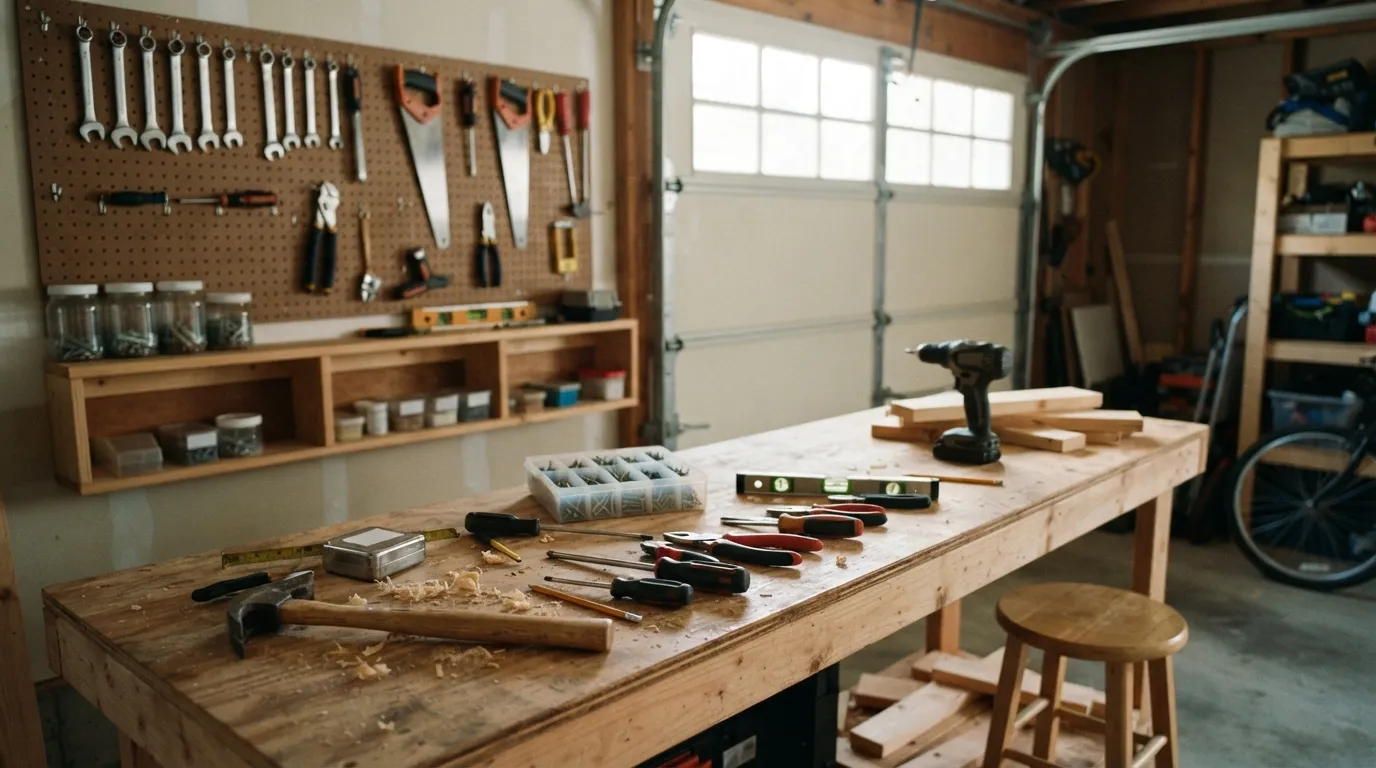
A workshop needs durable power, bench space, clear dust management and good lighting. That raises the bar for electrical work, tool anchoring and ventilation. Decide early whether you will bring heavier tools that need dedicated circuits. That decision determines whether you need a licensed electrician instead of a general handyman for light electrical work.
Turning the garage into a finished room or living area is a different project. It implies insulation, finished walls and floors, and often changes to HVAC or egress. That kind of conversion usually involves building permits and inspections. It pushes you into a broader remodel rather than a set of handyman fixes.
Pick one primary purpose first. Once that is set, you can list the secondary goals — secure storage, a fold-down workbench, improved lighting — and assign them a practical sequence. That sequence is what you will want to see on a detailed quote.
Common jobs a handyman will do, in plain language
A handyman visit for a garage usually covers small repairs and installations that make the space safer and more usable. Knowing what to expect from a single visit helps you decide whether to book a pro or try a DIY fix.
Typical jobs include:
- Adjusting and repairing garage doors and their tracks so the door opens smoothly and seals better.
- Installing or replacing simple wall storage systems, hooks and shelving to free up floor space.
- Patching drywall, finishing small sections of plaster, and repainting walls or doors to clean the space up.
- Repairing or replacing lighting fixtures and simple switches to improve visibility and safety.
- Hanging cabinetry or securing floor-standing cabinets to the wall to prevent tipping.
- Fixing small plumbing items related to utility sinks or hose bibs inside the garage.
A single visit often combines two or three of the items above. For example, a handyman might fix a sticking door and hang a couple of storage cabinets. They may also replace a light fixture the same day. The limits are usually power, time, and the legal need for a specialist. Tasks involving major electrical circuits, mains gas, or structural alterations will be flagged and referred.
What a handyman brings and what you should expect them to do on site varies. They handle the practical things you would do yourself if you had the tools and time. That includes measuring and marking studs, cutting and fastening shelving or cabinets. It also includes basic wiring changes that do not change circuit capacity, and small repairs to plaster and trim.
When something on the list is beyond a handyman’s typical scope, it is usually because it requires a trade license, a permit, or an inspection. Good practice is to ask at the first call whether a job will need a permit or whether additional trades will be involved. If you are a landlord or property manager, tell the person scheduling the visit about turnover timelines. Also tell them any durability preferences so they can bring the right materials.
Smart storage and organization solutions that actually work
Storage choices are where households get the most value from a handyman visit because the right system lasts and changes how you use the room. Start by choosing the layout, not the product. Map where the car sits, where you need access, and what must be anchored to studs for safety.
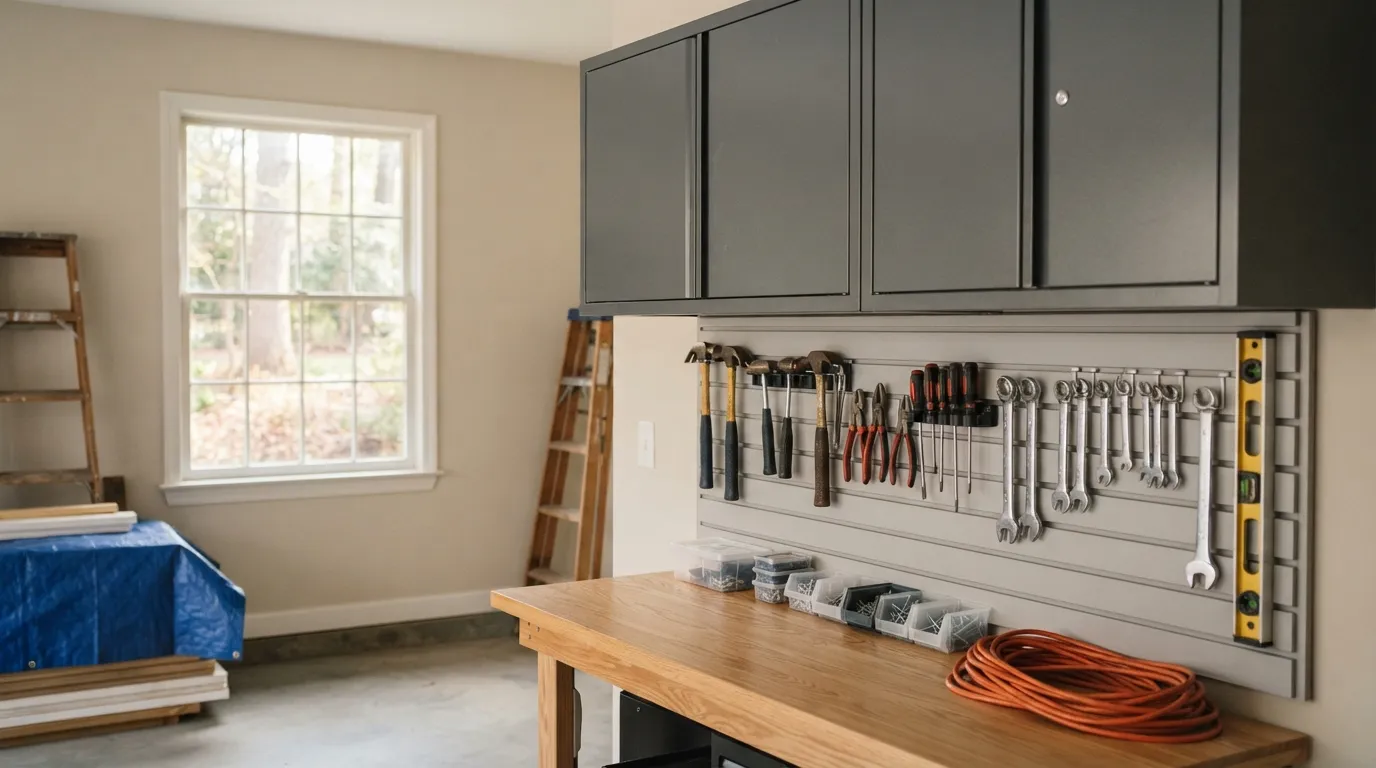
Wall-mounted systems are the most flexible first upgrade. Slatwall, pegboard and rail systems let you move items without a lot of cutting or reconstruction. They keep items off the floor, which is important for flood-prone basements and for keeping the center of the floor clear for a car.
Cabinets give a cleaner look and protect seasonal items from dust. When you choose cabinets, consider depth and mounting method. Shallow cabinets are good over workbenches and for paint cans; deeper units need strong wall anchoring and sometimes floor brackets to prevent tipping. For rental properties choose finishes and hardware that can take heavy use.
Overhead storage racks reclaim the high ceiling and are excellent for seasonal bins and infrequently used gear. Install them where the joists run in a direction you can access, and use rated fasteners. They are not a good solution if you need frequent access; raising and lowering heavy bins takes time and effort.
A compact workbench with integrated storage pays back if you do small repairs often. Choose a bench with a replaceable top and a secure method for mounting to the wall or floor. If you expect to use power tools, think about dust collection and a nearby outlet.
When to hire and when to DIY
Do it yourself when the work is largely cosmetic and you have the right tools. Examples include painting, hanging small shelves on studs you find with a detector, or installing pegboard with simple fasteners. Hire a handyman when you need accurate layout and secure anchoring for heavy cabinets. Also hire one for garage door track adjustments or any work that must follow local code or be inspected.
For landlords and property managers
Choose systems that balance cost, durability and tenant safety. Metal-front cabinets, heavy-duty slatwall fittings, and lockable storage can reduce calls between tenancies. When turnover time is tight, prioritize quick wins: secure shelving, replace broken door seals, and add clear lighting.
What a clear quote looks like and how quotes are built
A clear quote answers three questions: what will be done, how long it will take, and what the materials and labor headings are. A sensible quote breaks the job into discrete tasks so you can compare bids and ask targeted questions.
Start by looking at task descriptions. Each line should state the specific action. Examples include replace garage door weatherstrip and straighten and realign the door track. Also mount two wall cabinets, install an overhead storage rack, and repaint with one-coat primer plus two finish coats. Where sequence matters, a short note on order is helpful so you know whether the painter goes before or after shelves are hung.
A quote should separate materials and labor. Materials include the visible parts — cabinets, racks, hinges — and small consumables such as screws, anchors and paint. Labor is the time the person spends on site bundled into a rate or a fixed charge. Travel or trip charges are legitimate line items when the company covers a broad area. If travel is listed, check whether it is a flat fee or a time and mileage cost.
Permits and subcontracted work should be listed separately. If a job involves electrical work that requires a licensed electrician or a permit needing a county inspection, list it separately. Do this so you can see what portion of the price is for that specialist or process.
Ask for estimated sequences and clear exclusions. A good quote will say what is not included. Examples include moving stored items, unsafe loads in the rafters, or discovery work such as rotten framing behind a cabinet. If the price depends on unseen conditions, the quote can present a small range or a worksheet that explains when extras apply.
Questions to ask before hiring
- Which parts of the job are included and which are priced as options? Ask for the exact model and finish for cabinets and racks so you can compare apples with apples.
- Who will perform specialized tasks such as changes to permanent wiring, and how are those costs shown? If an electrician will be required, ask whether that is an additional subcontract charge.
- How will unexpected issues be handled on site? Ask whether the worker will stop, contact you and get written approval before proceeding with extra work.
- What is the payment schedule and what forms of payment are accepted? Be clear about deposits, interim payments and final payment.
A useful habit is to ask for a short sequence of work so you know what happens first. That sequence helps you plan access, temporary storage and any prep you must do before the team arrives.

Permits, inspections and local rules to check before you start
Certain garage projects commonly trigger permits or inspections. Finishing a garage into habitable space, significant changes to electrical service, and structural changes usually need review by the county. Before you sign a big contract, check with Montgomery County about the specific scope that requires a permit in your situation.
Small repairs and cosmetic work often do not need permits, but the line is sometimes unclear. For example, replacing an existing light fixture with a like-for-like fixture usually sits on the simple side, while adding new circuits, dedicated outlets for a workshop, or permanently installed heating and cooling likely pushes the work into the permit zone.
If your plan involves adding insulation, drywall and a new floor covering with the intent to create living or sleeping space, you should treat the project as a conversion and confirm permit requirements upfront. Conversions can also affect egress, ventilation and smoke detection requirements that inspections will verify.
When a licensed trade is required
Work that affects the safe operation of a system commonly requires a licensed contractor for the trade. This includes major electrical changes, gas appliance work, or structural modifications and often requires permits filed by that contractor. Ask whoever is quoting whether they will pull permits or whether you should expect a separate subcontractor to do that work.
How to check
Start at the county website or by phone. Also ask the person giving the quote how they usually handle permits for the kind of work you want. If they say permits are sometimes needed, ask them to note in the written estimate what permits would be required and who will arrange them. That saves you from surprises later when a county inspector asks for paperwork.
For landlords and property managers
Be especially careful when converting space that will be rented. Rental units often fall under additional codes and inspection regimes. If you are making changes that affect habitability, confirm code expectations and any required notification or registration for rental properties before signing a contract.
Scheduling, access and prep: what to expect on the day
A well-run visit starts with clear access and a brief site check. Before the team arrives, clear the main work area of cars and fragile items so the crew can work without delay. If the work requires inside access from the house, leave a key or be available to let the team in at the agreed time.
When the crew arrives they will usually do a short walkthrough, confirm the scope, note any unexpected issues and place protective coverings where needed. If a job is being done in stages, they will confirm the sequence and the expected return visits.
How long a small job takes depends on what is being done. Many common fixes are planned as single visits. These include tightening and adjusting a door, hanging a couple of wall cabinets, and patching and painting a small area. When the work must wait for materials, inspections or drying times, the contractor will schedule follow-up visits and explain the gaps.
If you are a landlord preparing for a turnover, set clear expectations about access and keys. Tell the crew whether they can contact the incoming tenant for quick entry during a short window. If the property will be occupied during work, ask about dust control and safe pathways around the workspace.
Small homeowner prep steps
Remove loose items from the walls and clear the floor in the immediate work area. If the job involves painting, move or cover stored items and vehicles. If you have pets, secure them away from the work area for safety. Finally, be ready to answer questions about priorities on arrival. A quick confirmation of the hardest-to-reach items or a note on fragile stored content saves time.
When the crew leaves, do a quick walk-through with them. Confirm that the tasks listed on the quote are complete. Ask where they left spare materials or leftover screws and note anything that needs a follow-up visit.
If you want a next step after reading this
Ask for a written, itemised estimate that lists tasks, materials and any permits or specialist trades. Compare two or three quotes that use the same task descriptions so you can see the differences clearly. When you are ready, call to book a visit. Tell the scheduler the primary purpose you chose: parking, storage, workshop, or finished space. This ensures the right time and materials are set aside.
Frequently asked questions
What is the going rate for handyman services?
Rates vary widely with the task, the skill required and where you live. The key drivers are how long the work takes and whether materials or specialists are needed. Also consider whether permits are required. Ask for a breakdown that separates labor, materials, and any travel or permit charges.
Can I pay someone to organize my garage?
Yes, you can hire a professional to design and install storage and organization systems. Decide first on the layout and your priorities. Then ask the person quoting to list tasks such as wall systems, cabinets, or overhead racks so you know what is included.
Do I need a permit to finish my garage in Montgomery County?
Permits are commonly required when you convert a garage to living space, add new circuits, or make structural changes. Check with the county early and ask the contractor to note any permit work on the written estimate so you avoid surprises during inspection.
What is the best way to hire a handyman?
Get itemised quotes that describe the same tasks so you can compare them. Ask who handles permits and specialized trades and confirm how unexpected issues will be authorized. Clear communication about access, timing and sequence makes the visit run smoothly.
What is the most requested handyman service for garages?
Common requests include door repairs, improved lighting, wall storage and small patch-and-paint jobs that make the space usable again. These items are often combined in a single visit so it pays to group related tasks when you request an estimate.
