

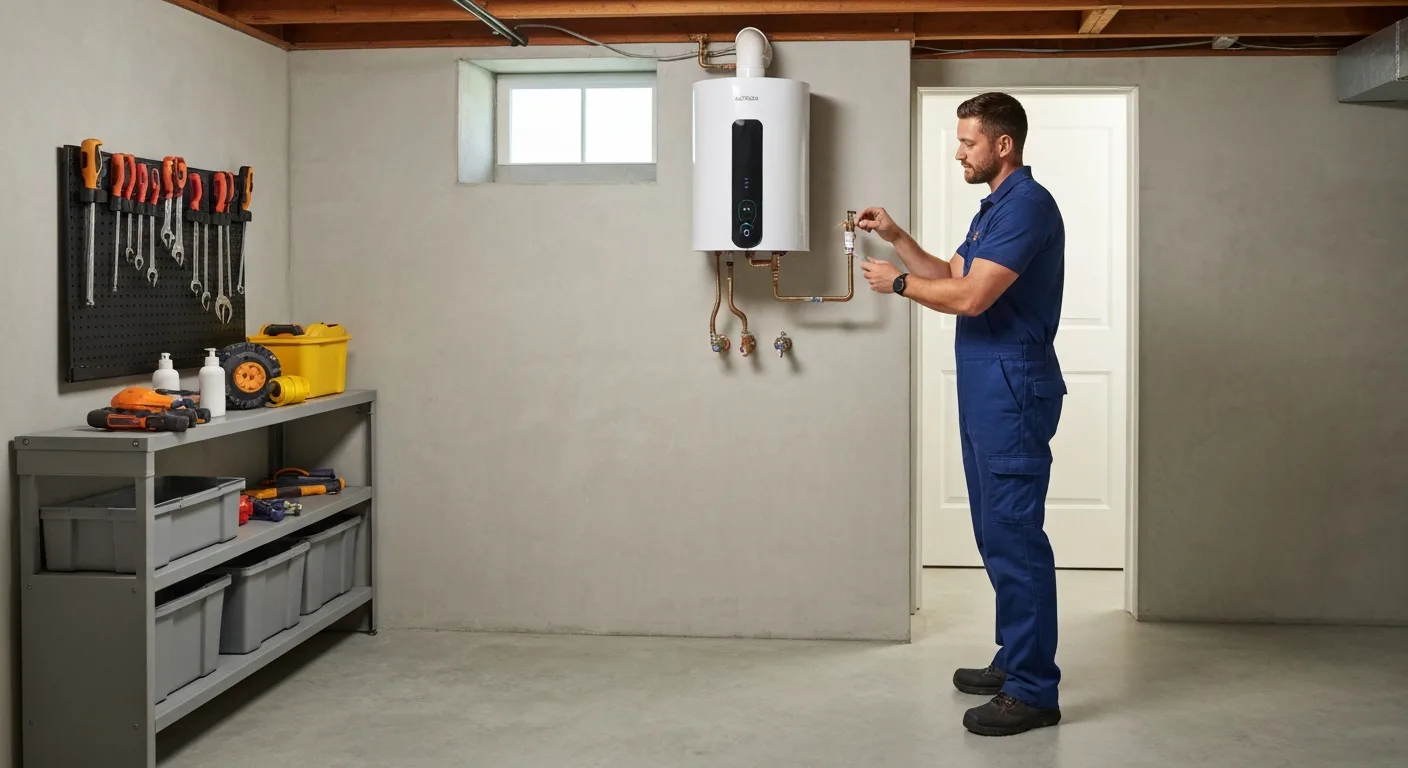
Deciding on water heater repair in Silver Spring usually comes down to the age of the unit and where the corrosion is.
Introduction: The Water Heater Challenge for Silver Spring Homeowners
There are few things that can ruin a perfectly good January morning in Silver Spring faster than stepping into what you *think* is going to be a warm shower, only to be met with a blast of icy cold water. We’ve all been there, or at least dreaded being there. One minute you’re humming along, mentally planning your day, and the next you’re doing a frantic, shivering dance, wondering what in the world just happened. That, my friends, is often the rude awakening that your water heater, that unsung hero of daily comfort, has decided to clock out.
Here in Silver Spring, Takoma Park, and across Montgomery County, our homes, like our trees, have seen a few seasons. Many of these charming, established houses, from the bungalows in Woodside to the colonials in Colesville, are equipped with water heaters that have been faithfully serving families for years, sometimes decades. And while they’re built to last, nothing lasts forever. Add in the hard water we deal with in our area, which can wreak havoc on internal components, and the varying MD climate, which puts demand on these units year-round, and you’ve got a recipe for potential trouble.
As Avishay, the straight-talking handyman who’s seen more than his fair share of water heater woes, I’m here to give you the real scoop. I’ve crawled into enough cramped basements and utility closets in Silver Spring, Rockville, and Bethesda to know what actually goes wrong, what to look for, and when it’s time to call in the cavalry. This isn’t about scare tactics; it’s about being prepared and understanding the heartbeat of your home’s hot water supply. So, let’s talk about those warning signs, what your options are, and what it’ll really cost you to get that comforting warmth back.
The Telltale Signs: Is Your Water Heater Waving the White Flag?
Before you get to that infamous cold shower moment, your water heater usually gives off a few subtle (and not-so-subtle) hints that it’s not feeling so hot. Ignoring these can turn a minor repair into a major headache, or worse, a flood in your basement. We’ve all Googled “how hard can it be to fix a water heater” at 10 pm on a Saturday, only to quickly realize it’s usually harder than it looks. Here are the common red flags I’ve seen in homes all over Montgomery County:
No Hot Water (or Not Enough)
This is the most obvious one, isn’t it? You turn on the faucet, wait a bit, and… nothing. Or maybe you get a lukewarm dribble that quickly turns cold. If your morning shower is starting to feel like an arctic expedition, or your dishwasher isn’t getting things truly clean, your water heater is struggling. It could be something as simple as a tripped breaker, a faulty thermostat, or a burned-out heating element (for electric units). For gas units, it might be an issue with the pilot light or thermocouple. Sometimes, it’s just that your unit is undersized for your family’s needs, especially if you’ve added more people or appliances. Whatever the cause, “not enough hot water” is a direct cry for help from your system.
Strange Noises and Smells
Your water heater shouldn’t sound like a haunted house. If you’re hearing rumbling, popping, banging, or crackling noises coming from the tank, that’s often a sign of sediment buildup. Remember that hard water I mentioned? Minerals like calcium and magnesium, abundant in Montgomery County’s water supply, settle at the bottom of your tank, get heated, and create these unsettling sounds. It’s like a tiny, inefficient rock concert happening inside your appliance. Not only is it annoying, but sediment buildup reduces your unit’s efficiency and can shorten its lifespan significantly. As for smells, a metallic odor can indicate tank corrosion, while a rotten egg smell often points to bacteria growth in the tank, especially if your anode rod is failing. Don’t ignore the rumbling; it’s your water heater’s way of telling you it needs a good cleaning or a new part.
Leaks and Puddles
This one is critical and requires immediate attention. If you see water pooling around the base of your water heater, or even just persistent dampness, you have a leak. Leaks can stem from a variety of sources: a faulty temperature and pressure (T&P) relief valve, loose pipe connections, or worst-case scenario, a crack in the tank itself. A leaking tank is usually beyond repair and means a full replacement is in your very near future. Ignoring a leak, even a small one, can lead to significant water damage to your flooring, walls, and personal belongings, especially if your water heater is in a finished basement in Silver Spring or Rockville. Don’t wait for a small drip to turn into a flood; act fast.
Rusty or Discolored Water
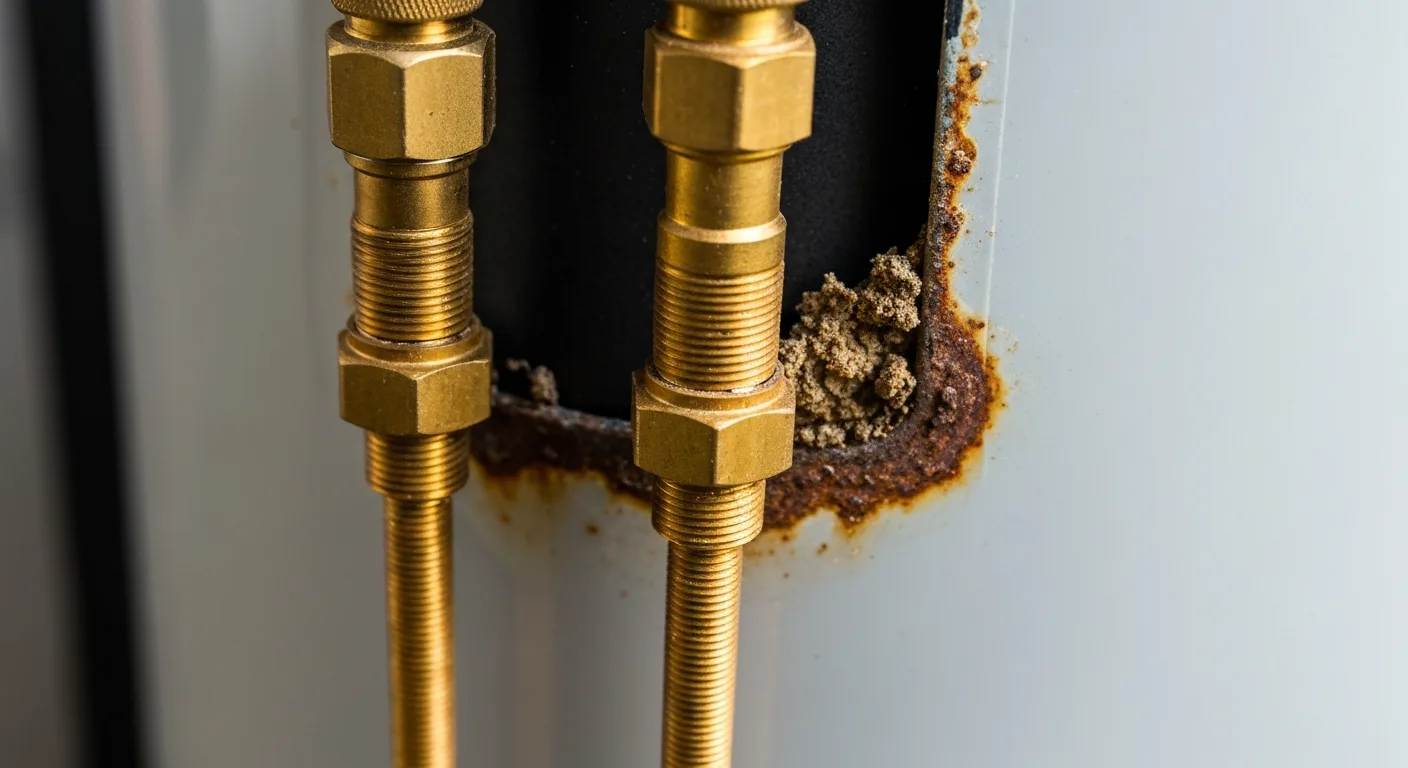
When you turn on your hot water tap and it comes out rusty, brown, or otherwise discolored, that’s a serious indicator of trouble within your water heater. This usually means the inside of your tank is corroding, or your anode rod – the sacrificial rod designed to attract corrosive elements away from the tank’s lining – has completely deteriorated. If the anode rod is gone, the tank itself becomes the next target for corrosion. While sometimes a simple anode rod replacement can buy you a little more time, often, rusty water is a clear sign that your water heater is nearing the end of its life and is deteriorating from the inside out. It’s not just unsightly; it can affect the purity of your water and eventually lead to tank failure.
Repair or Replace? Making the Call for Your Silver Spring Home
Once you’ve identified a problem, the big question looms: should you repair it or bite the bullet and replace the whole unit? There’s no one-size-fits-all answer, and as your local Silver Spring handyman, I’m here to give you the honest truth, not just sell you a new unit. It boils down to a few key factors: the age of your unit, the nature of the problem, and the cost-effectiveness of each option.
When Repair Makes Sense
Repairing your water heater is often the most economical choice if:
- Your unit is relatively new: If your water heater is less than 6-7 years old and still under warranty, a repair is almost always the way to go. Most manufacturers cover parts, and sometimes labor, for issues that aren’t due to neglect.
- It’s a minor component failure: Issues like a faulty thermostat, a burned-out heating element, a broken pilot light, or a leaky T&P valve are generally straightforward repairs. These parts are relatively inexpensive, and the labor involved is usually minimal. You’re typically looking at repair costs ranging from $150 to $600 for these common fixes, depending on the part and the complexity.
- You’ve kept up with maintenance: A well-maintained unit that suddenly has a small issue is a good candidate for repair. If you’ve been flushing it regularly (especially important with our hard Montgomery County water!), then chances are the internal components are in good shape.
For example, if you live in a newer build in Rockville and your 4-year-old water heater suddenly stops heating, it’s likely a simple component and well worth repairing.
When Replacement is the Smarter Investment
Sometimes, throwing good money after bad just doesn’t make sense. Replacement becomes the smarter, more cost-effective choice when:
- Your unit is old: The average lifespan of a traditional tank water heater is 8-12 years. If yours is pushing past that decade mark, especially with the hard water we have, you’re likely to face a cascade of problems. One repair might fix one issue, but another is often right around the corner.
- There’s a major leak from the tank: As I mentioned, a leaking tank is almost always a death sentence for the unit. The cost and complexity of patching a corroded tank simply aren’t worth it; it’s time for a new one.
- Frequent breakdowns: If you’re calling a handyman every year for a different water heater issue, the cumulative repair costs will quickly surpass the cost of a new, more reliable unit.
- Inefficiency: Older units, especially those with significant sediment buildup, are energy hogs. If your energy bills are creeping up, a new, more efficient model can pay for itself over time through energy savings.
- Rust in the hot water: This is a clear sign of internal tank corrosion, which means the tank’s integrity is compromised and failure is imminent.
While the upfront cost of a new water heater might sting a bit, often it’s an investment that prevents future headaches, saves you money on energy, and gives you peace of mind. For many of the older homes in Takoma Park and Silver Spring, replacing an ancient, inefficient unit with a modern one can make a noticeable difference in utility bills and daily comfort.
Tank vs. Tankless: Which Hot Water Solution is Right for You?
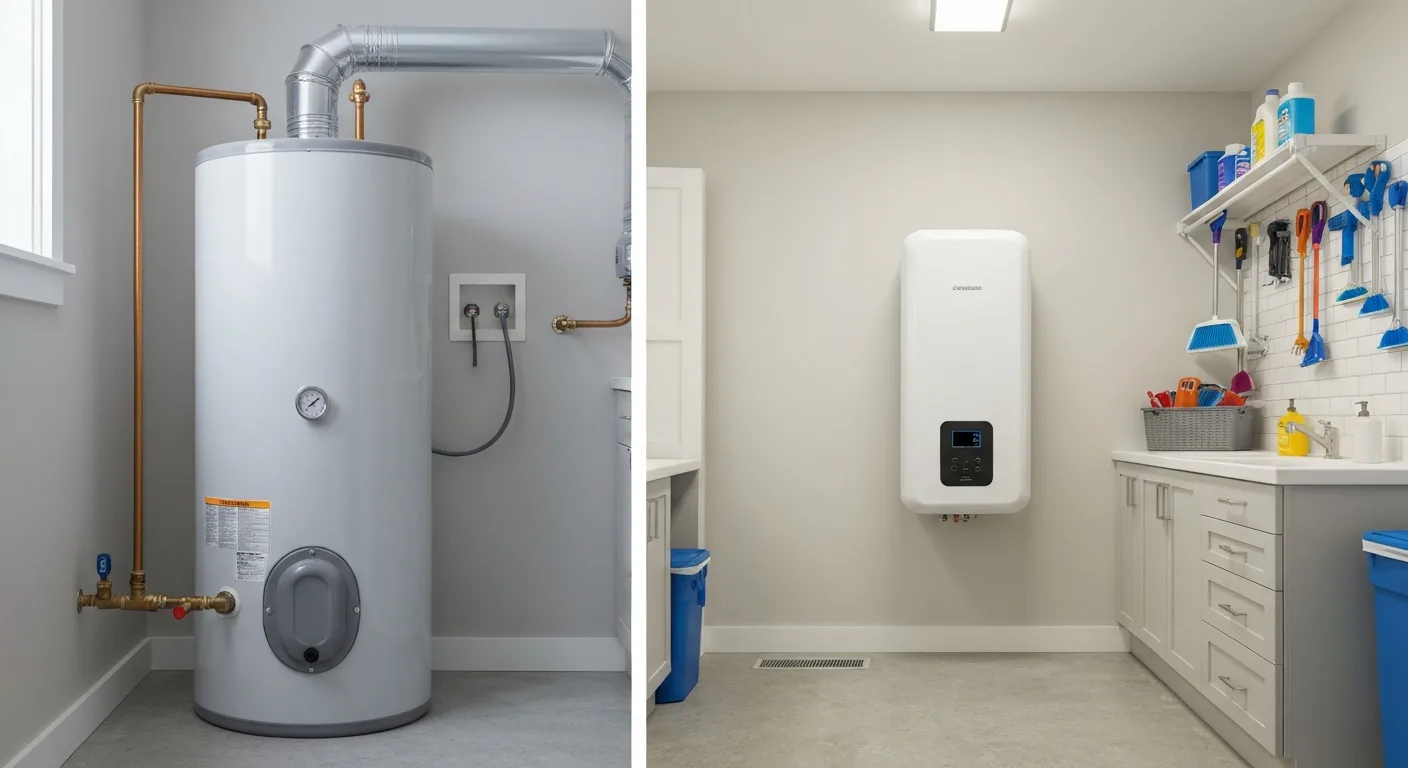
So, you’ve decided a replacement is in order. Now you’re faced with another decision: do you stick with a traditional tank water heater, or do you upgrade to a tankless model? Both have their pros and cons, and what’s right for your household depends on budget and hot water demand. Traditional tanks are lower cost upfront and simpler to replace. Tankless units cost more initially but last 20+ years, save 20–30% on energy, and never run out of hot water. For most Silver Spring families, if the budget allows, tankless is the smarter long-term call.
FAQs: Your Silver Spring Water Heater Repair Questions Answered
Q: How much does water heater repair or replacement cost in Silver Spring MD?
A: Minor repairs (thermostat, element replacement) run $150–$400. A new traditional tank water heater installed typically costs $900–$1,800 depending on size. Tankless units run $1,500–$3,500 installed. We provide upfront pricing before any work begins — no surprise bills.
Q: How long do water heaters last in Montgomery County homes?
A: Traditional tank heaters last 8–12 years, often shorter with our hard water. Tankless units can last 20+ years with proper maintenance. If yours is over 10 years old and acting up, repair costs often don’t make financial sense — replacement is usually smarter.
Q: Is a tankless water heater worth it in Silver Spring?
A: For most households, yes. You get endless hot water, lower energy bills (20–30% savings), and a much longer lifespan. The upfront cost is higher, but the payback period is typically 5–8 years. They also free up significant space in your utility room.
Q: Can I ignore a small leak from my water heater?
A: No — and we mean that kindly. A small leak almost always gets bigger. Tank leaks in particular mean the interior is corroding, and a failing tank can flood your utility room or basement fast. If you see water pooling around the base, call us. It’s one of those situations where “wait and see” really doesn’t pay off.
Ready to Get Started? Contact Avishay Handyman LLC Today!
Don’t wait for a cold shower to take action. We help Silver Spring, Rockville, Bethesda, and Kensington homeowners with water heater repair, replacement, and tankless upgrades — fast, honest, and priced fairly. Free estimates always.
Call us at (240) 377-0777 or visit our contact page to schedule your free estimate.
Water Heater Repair in Silver Spring: The Short Version
Water heater repair in Silver Spring is worth it for thermostats, elements and valves. Corrosion at the base, rusty water or an age past ten to twelve years points to replacement instead. They fail in cold weather, always inconveniently.
If you want a straight answer on water heater repair in silver spring for your own house, we give free estimates with no obligation — including the ones that conclude you don’t need us yet.
