

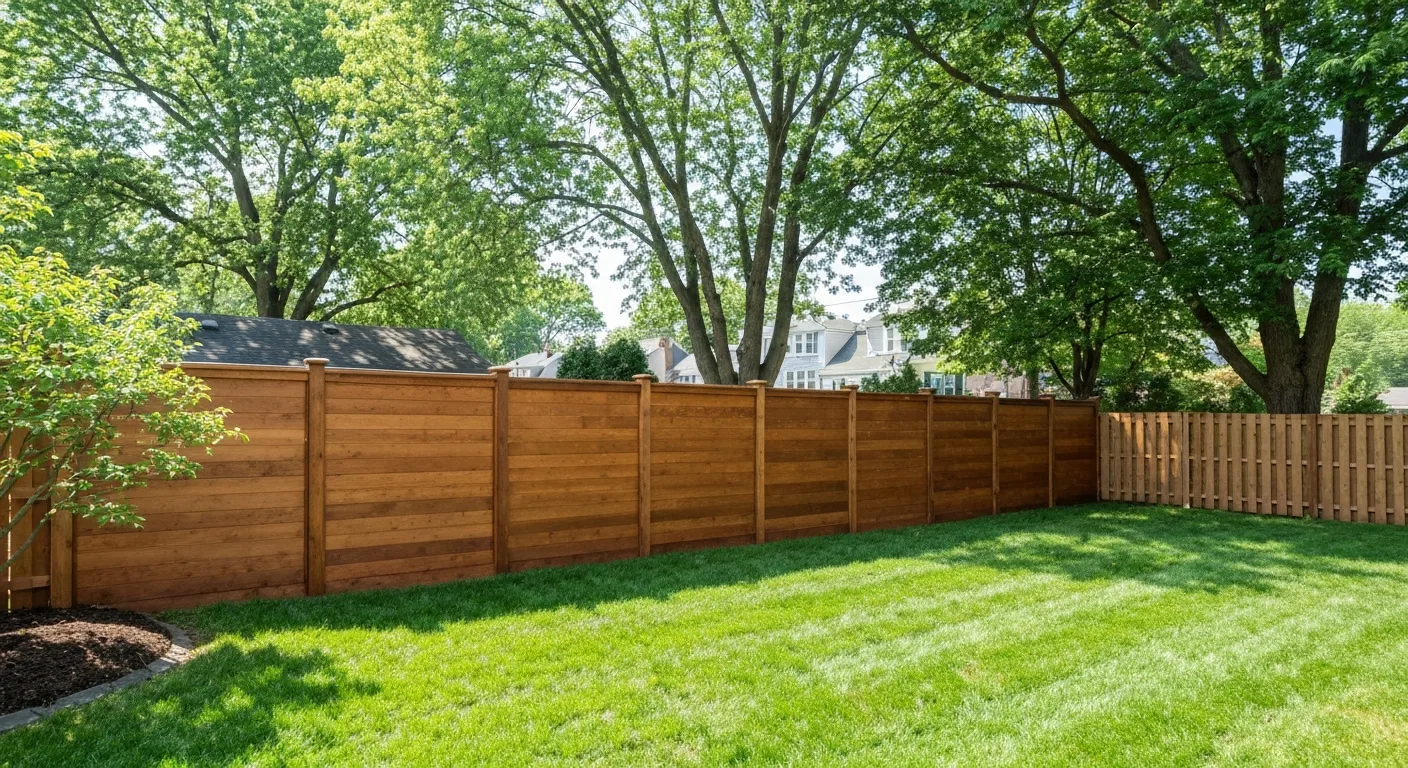
Planning fence installation in Silver Spring starts with the permit and the property line, long before you pick a panel style.
Introduction: The Fence Challenge for Silver Spring Homeowners
Alright, let’s talk fences. If you’ve owned a home in Silver Spring, Kensington, or really anywhere in Montgomery County for more than a minute, you know the drill. One minute you’re enjoying a quiet Saturday, the next you’re eyeing your neighbor’s overgrown bushes or realizing Fido has developed an Olympic-level escape routine. Suddenly, a fence isn’t just an idea; it’s a necessity. And often, that necessity comes directly on the heels of a minor (or major) neighborhood kerfuffle. Let’s be honest, how many fence projects truly begin with a zen-like desire for aesthetic enhancement and not, shall we say, a “spirited discussion” about property lines or a shared hedge that’s seen better days? We’ve all been there, Googling “legal property line dispute Maryland” at 10 PM on a Tuesday.
Here at Avishay Handyman LLC, we’ve seen it all. From the desire for a classic picket fence in Takoma Park to a robust privacy fence in Silver Spring, homeowners want to define their space, add security, and frankly, sometimes just get a little peace and quiet. But what many folks don’t realize is that putting up a fence in Montgomery County isn’t as simple as buying some lumber and digging a few holes. There are rules, regulations, and yes, permits – especially for anything over six feet tall. Ignore them at your peril; the Department of Permitting Services (DPS) has a way of finding out, and trust me, fixing a non-compliant fence after it’s built is a headache you don’t need.
My goal here isn’t to scare you off your fence dreams, but to give you the straight scoop. As a handyman who’s been navigating these waters for years, I’ve learned what works, what doesn’t, and where people commonly stumble. Consider this your no-nonsense guide to fence installation in Silver Spring MD, designed to save you time, money, and potential neighborly strife.
The Montgomery County Permit Maze: Don’t Get Fenced In
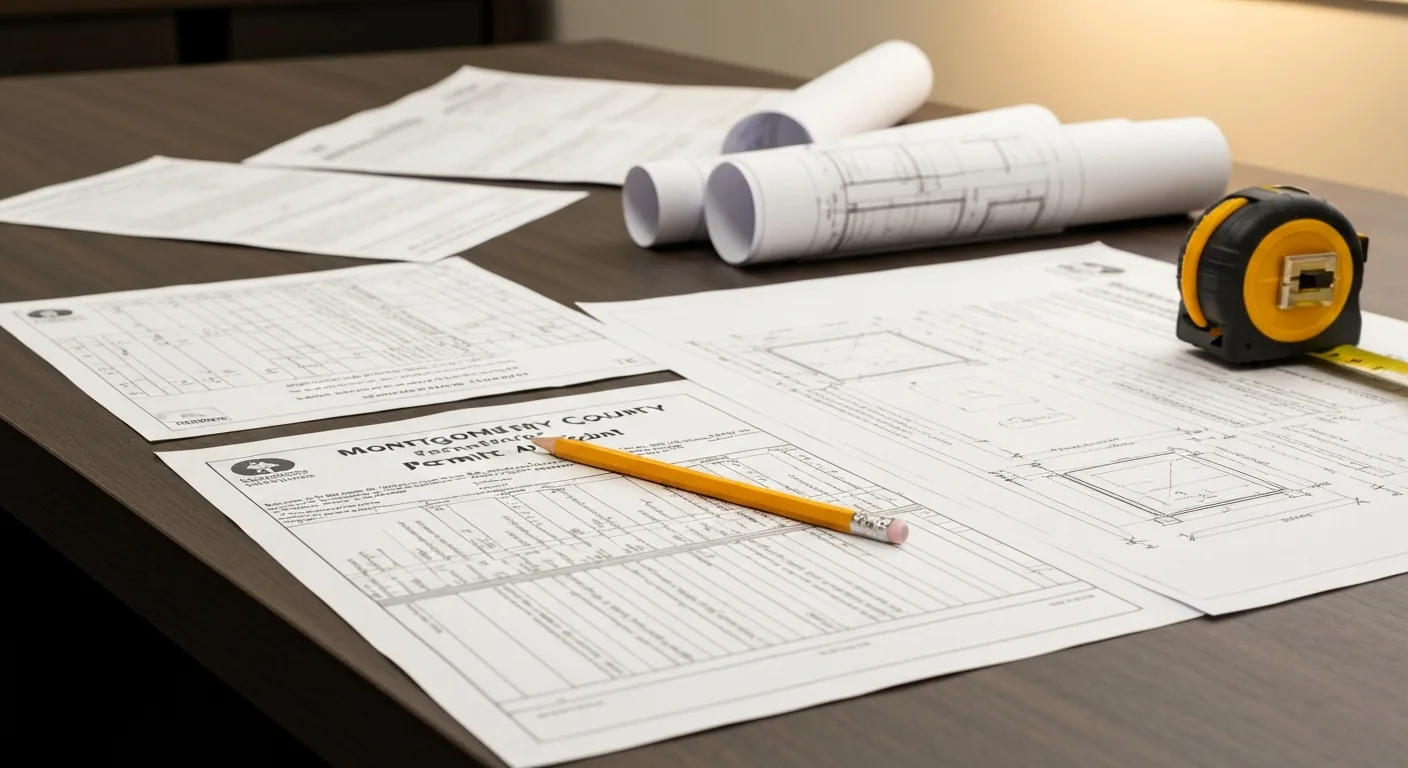
This is where things get serious, folks. Montgomery County isn’t playing around when it comes to property improvements, and fences are no exception. The county has specific rules, and misunderstanding them is the quickest way to turn your weekend project into a costly citation. It’s not just about getting permission; it’s about ensuring safety, maintaining property values, and avoiding future disputes. Believe me, you don’t want to be the person explaining to a DPS inspector why your beautiful new fence needs to come down.
When Do You Actually Need a Permit? The Six-Foot Rule and Beyond
The golden rule in Montgomery County is this: if your fence is going to be over six feet tall, you absolutely need a permit. This applies to residential properties across Silver Spring, Rockville, Bethesda, and every other community in the county. But it’s not just height. Here are a few other scenarios that often trip people up:
- Corner Lots: If your property is on a corner, there are specific visibility rules. Fences near street intersections often have height restrictions, even if they’re under six feet, to ensure clear sightlines for drivers.
- Pool Fences: Any fence enclosing a swimming pool has stringent safety requirements and will definitely need a permit, regardless of height. These are often higher than six feet anyway and have specific gate latching mechanisms.
- Commercial Properties: Different rules apply entirely for businesses, so if you’re looking at a commercial property, assume a permit is needed for almost any fence.
- Historic Districts: Live in a historic district like parts of Takoma Park or Old Town Gaithersburg? Your fence project might also need approval from the Historic Preservation Commission, adding another layer to the process.
My advice? When in doubt, call the Montgomery County Department of Permitting Services (DPS). A quick phone call can save you a world of hurt. It’s far better to ask than to build first and beg for forgiveness later. The county permitting process for fences, while sometimes a bit bureaucratic, is there for a reason.
Navigating the DPS Application Process: What to Expect
So, you’ve determined you need a permit. Now what? The Montgomery County fence permit process involves a few steps:
- The Application Form: You’ll need to fill out a building permit application. This is available online through the ePermits system or in person at the DPS offices in Rockville.
- Site Plan/Plat: This is crucial. You’ll need a copy of your property plat (your property survey) showing your lot lines, existing structures, and where the new fence will be located. Mark the exact location of the proposed fence on this plat, including its distance from property lines (setbacks).
- Fence Design/Specs: You’ll need to provide details about the fence itself – height, material (wood, vinyl, aluminum), and type (picket, privacy, chain link).
- Fees: There’s an application fee, which varies based on the scope of the project.
- Review and Approval: Once submitted, DPS will review your application for compliance with zoning regulations, building codes, and setback requirements. This can take anywhere from a few days to a few weeks, depending on the complexity and current workload.
One common mistake I see? Homeowners submitting incomplete applications. Make sure your site plan is clear, accurate, and includes all necessary dimensions. If you’re unsure about drawing it up, a professional can help. This is often where a project gets delayed, bouncing back and forth for clarifications. Sometimes it feels like they invent new ways to ask for the same information, but stick with it.
Understanding Setbacks and Property Lines: The Unspoken Rules
This is where a lot of neighborly disputes begin, and it’s also where DPS pays close attention. A “setback” is the minimum distance required between your fence and your property line, or other structures. While you generally don’t need a setback for fences under six feet in height that are not in a front yard, it’s always best to verify your specific property’s zoning requirements. For taller fences, setbacks are almost always a factor.
- Know Your Lines: Before you even think about digging, know exactly where your property lines are. Don’t rely on old fences, hedges, or what you “think” is the line. Get a copy of your property survey (plat) and if there are any doubts, consider having a professional surveyor mark your lines. This small upfront cost can save you thousands in legal fees and fence relocation later.
- Good Neighbor Policy: Even if you can build right on the property line (which is often allowed for fences up to six feet in rear/side yards), it’s always a good idea to talk to your neighbors. Inform them of your plans, discuss the fence’s appearance (especially if it’s a shared fence), and try to reach an agreement. A little communication goes a long way in preventing future headaches. Trust me, I’ve seen fences built entirely on one person’s property only to have the neighbor demand the “good side” face them, or worse, dispute the line itself.
Remember, your fence is generally considered to be on your property if it is entirely on your side of the property line. The “good” side (the finished side without exposed posts and rails) usually faces outwards towards the neighbor, but this is more of a courtesy than a legal requirement, unless specified by an HOA or local ordinance.
Choosing Your Style: More Than Just Curb Appeal
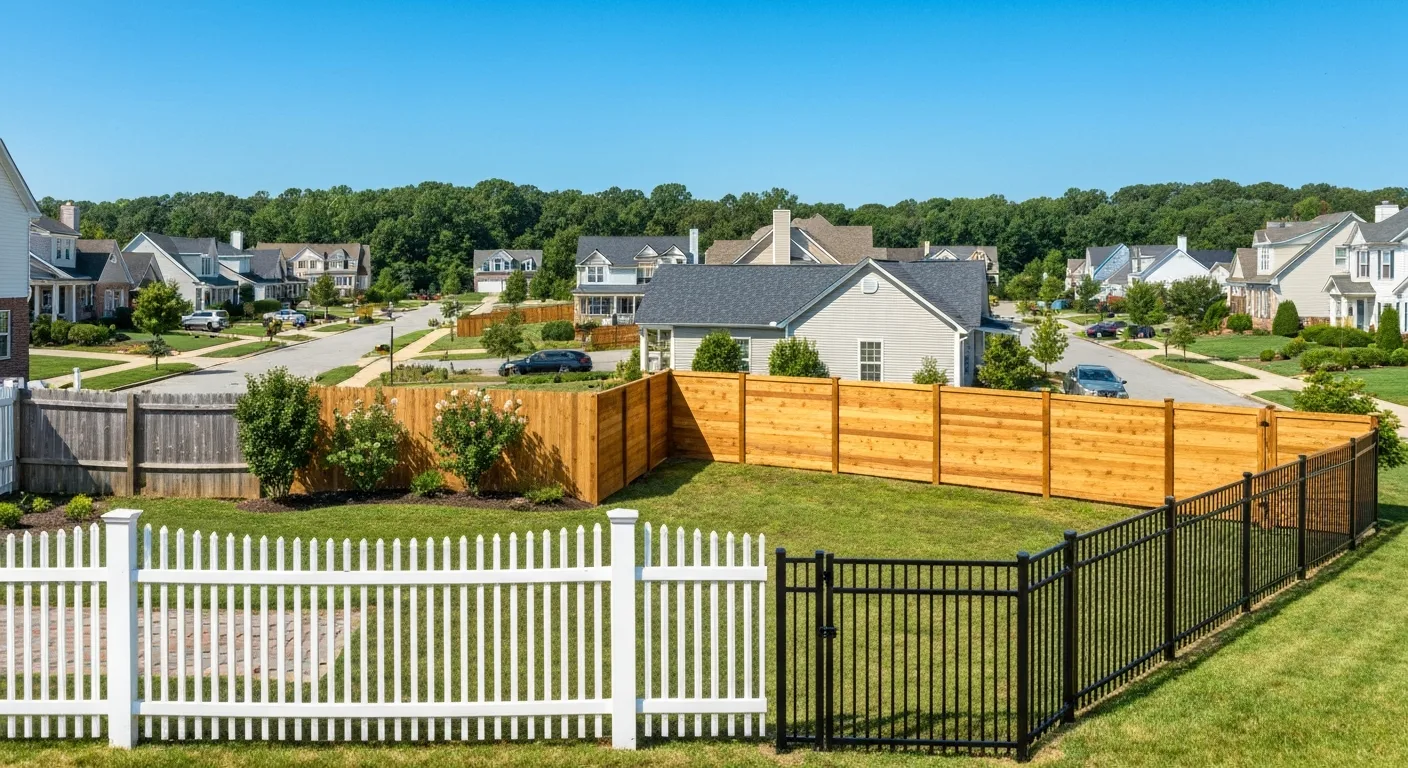
Once you’ve got the permit situation under control (or at least understood), it’s time for the fun part: choosing the fence itself! This isn’t just about aesthetics; it’s about function, durability, and how much elbow grease you’re willing to put in over the years. We get a lot of requests for everything from classic white picket fences in areas like Bethesda to robust privacy fences for backyards in Silver Spring.
The Timeless Charm of Wood Fences: Beauty with a Bit of Work
Wood fences are classic for a reason. They offer a natural, warm aesthetic that blends beautifully with most landscapes. Cedar and pressure-treated pine are the most common choices around here. They’re relatively affordable upfront and offer excellent privacy.
- Pros: Natural look, good privacy, can be stained or painted, relatively affordable.
- Cons: Requires maintenance (staining, sealing, painting) every few years, susceptible to rot, warping, and insect damage (especially with our humid Maryland summers and cold, wet winters). Wood fences can lean, sag, or splinter over time, especially if not installed correctly or if the ground isn’t prepped properly. I’ve done my share of wood fence repair in Gaithersburg and other parts of Montgomery County, and most of the issues stem from poor drainage or lack of consistent sealing.
If you love the look of wood, be prepared for the upkeep. It’s a commitment. But a well-maintained wood fence can truly enhance your home’s curb appeal for decades.
Low-Maintenance Vinyl: A Modern, Durable Solution
Vinyl fences have surged in popularity, and for good reason. They’re incredibly low-maintenance, durable, and come in a variety of styles, often mimicking the look of wood without the upkeep.
- Pros: No painting or staining ever, easy to clean (just hose it down), extremely durable, won’t rot, warp, or get insect damage. Great for privacy and security.
- Cons: Higher upfront cost than wood, can be brittle in extreme cold (though modern vinyl is much better), limited color options (mostly white, tan, gray), can be difficult to repair if a panel is severely damaged. While they don’t rot, I’ve seen them crack from impacts in extreme cold snaps. For most Silver Spring homeowners wanting set-it-and-forget-it fencing, vinyl is an excellent long-term investment.
FAQs: Your Silver Spring Fence Installation Questions Answered
Q: Do I always need a permit for fence installation in Montgomery County?
A: Not always, but for anything over 6 feet tall, yes — a permit from Montgomery County DPS is required. Even under 6 feet, HOA rules may apply. We handle the permit process for you as part of the job.
Q: How long does fence installation take in Silver Spring?
A: A typical residential fence takes 1–3 days depending on length, material, and how much ground prep is needed. Post setting requires concrete to cure, so we typically complete the job over two visits.
Q: What fence style lasts longest in Maryland’s climate?
A: Vinyl and aluminum fences require the least maintenance and hold up best against our humid summers and wet winters. Cedar wood is a great middle ground — it’s naturally rot-resistant and looks beautiful, but needs occasional staining every few years.
Q: Can my neighbor object to my fence in Montgomery County?
A: They can raise concerns, but as long as you’re within your property line and complying with county setback rules, you have the right to install a fence. That said, a quick conversation before you start can save a lot of headaches — and we’ve seen it go both ways.
Ready to Get Started? Contact Avishay Handyman LLC Today!
Ready to finally get that fence installed — or fix the one that’s seen better days? We serve Silver Spring, Rockville, Bethesda, Kensington, and Gaithersburg. Free estimates, permit handling included, and we actually show up when we say we will.
Call us at (240) 377-0777 or visit our contact page to schedule your free estimate.
Fence Installation in Silver Spring: The Short Version
Fence installation in Silver Spring starts with the permit and the property line, not the panels. Montgomery County has height rules that differ front to back, and a fence built on an assumed boundary is an expensive thing to move.
